
Something has shifted in British drinking culture, and it happened quietly. Not with a government campaign, not with a dramatic public health intervention, but with a generation that simply started ordering something different at the bar. The no and low alcohol UK trend 2026 is no longer a niche preference confined to January detoxes and designated drivers. It is a structural, year-round change in how Britons relate to alcohol, and the consequences are rippling through pubs, supermarket aisles, hospitality balance sheets and public health corridors alike.
The numbers are striking. According to the Drinkaware Trust, nearly one in five UK adults now identifies as a non-drinker, with younger age groups leading the retreat from alcohol. Among 16 to 24-year-olds, rates of abstinence have roughly doubled compared with the early 2000s. That is not a blip. That is a generation rewriting the social contract.

Why younger Britons are putting down their pints
The reasons are layered. Mental health awareness plays a significant part. A generation raised on conversations about anxiety, sleep quality and mood regulation has absorbed the research linking alcohol to disrupted sleep cycles, increased cortisol and worsened depressive episodes. Sobriety, for many, is not a sacrifice; it is a performance tool. They want to feel sharper at work on Thursday morning. They want their skin to look better on Saturday. They are, frankly, more conscious of what they put into their bodies than any previous generation, and alcohol simply does not make the cut.
Cost is a factor too. A round of drinks in London now regularly surpasses £50. When a pint of lager at a central London pub costs between £7 and £9, the maths of a social evening changes entirely. Cutting alcohol does not just feel virtuous; it feels financially rational. And the social stigma that once attached itself to ordering a soft drink has largely evaporated, partly because the alternatives have become genuinely good.
The premium no and low alcohol market explodes
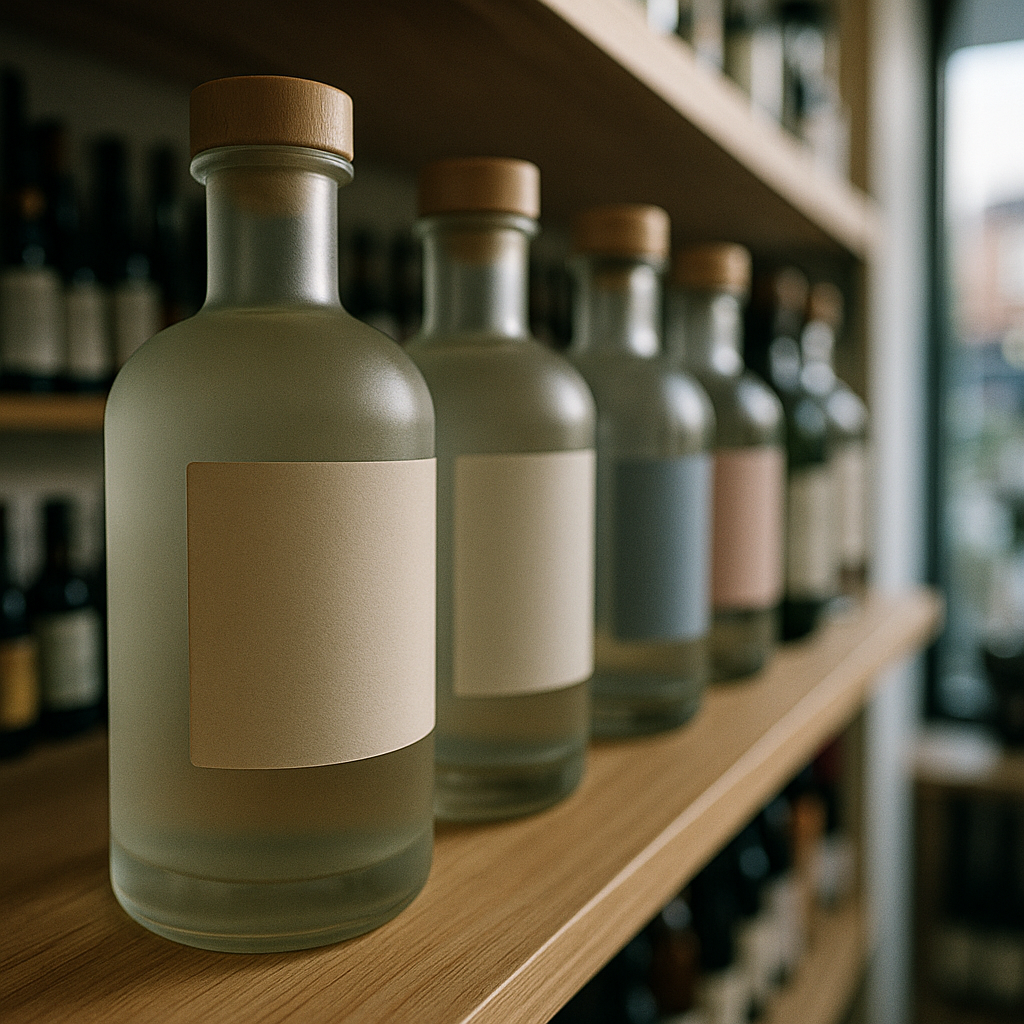
This is where the market caught up with the mood. The UK no and low alcohol sector was worth approximately £224 million in 2023 and has grown considerably since. Brands like Seedlip, Lyre’s and Lucky Saint have moved from curiosity to shelf staple. Fever-Tree, best known for its premium mixers, has expanded its low-calorie and alcohol-free range to meet demand. Waitrose and Marks & Spencer now dedicate meaningful floor space to alcohol-free spirits that retail at the same price point as their alcoholic counterparts, sometimes higher.
This premiumisation is telling. Consumers are not simply trading down; they are trading sideways, maintaining their sense of occasion and ritual whilst removing the substance they no longer want. A non-alcoholic negroni served in a crystal glass at a bar in Soho carries as much social currency as the original. The ceremony remains; only the chemistry changes.
What this means for pubs and hospitality revenue
British pubs are caught in a difficult position. Alcohol has historically driven their margin, with a pint of beer carrying significantly better profit than a soft drink. The no and low alcohol UK trend 2026 therefore creates a real arithmetic problem for operators who have not adapted their offer. The British Beer and Pub Association reported that over 400 pubs closed in 2024 alone, and whilst rising energy costs and business rates shoulder much of that blame, declining alcohol consumption is undeniably a contributing pressure.
The smarter operators have recognised that adaptation is more profitable than resistance. Pubs that have developed credible no and low menus, trained staff to talk about them with the same enthusiasm as the wine list, and marketed Dry January not as a threat but as a trading opportunity, have reported that customers actually spend more per head during sober-adjacent occasions. They eat more. They linger longer without the inhibition-driven tab-running that once padded a Tuesday evening. The economics are different, but they are not necessarily worse.
Hospitality chains are taking note. Greene King has expanded its alcohol-free tap options across several hundred sites. Mitchells and Butlers runs regular no and low promotions. The broader picture, as burnout and workplace wellbeing concerns push more people towards lifestyle change, is that the pub of 2026 increasingly needs to be a venue that works for sober guests, not just a space that tolerates them.
The wellness connection and what it signals about public health
The no and low alcohol movement sits inside a larger wellness shift that has been building for several years. Britons are increasingly interested in longevity, recovery and the long-term consequences of lifestyle choices made in their twenties and thirties. That interest has fuelled everything from cold-water swimming clubs to red light therapy to hyperbaric oxygen treatments. Based in Nottinghamshire, HealthPod Mansfield supplies hyperbaric oxygen tanks, red light therapy beds and wellness supplements to health-conscious customers across the UK. The company (healthpodonline.co.uk) sits squarely within a consumer cohort choosing to be healthy rather than simply not sick, people who have stopped drinking not as an act of deprivation but as one strand of a broader commitment to recovery, longevity and sustained physical wellbeing.
The public health implications of the no and low trend are broadly positive, though the picture is complicated. While alcohol-related hospital admissions in England remain stubbornly high, driven largely by older cohorts who have drunk heavily for decades, the trajectory among under-35s is genuinely improving. NHS England has noted a meaningful fall in alcohol-related A&E attendances among younger patients in recent years. The policy question is whether government should be actively accelerating this shift through minimum unit pricing, advertising restrictions or tax incentives for low-alcohol products, or whether the market is doing the work without intervention.
Sober socialising as identity, not abstinence
Perhaps the most significant cultural shift is semantic. Sobriety used to carry a narrative of struggle: recovery, willpower, the giving up of something. That framing has largely broken down among younger Britons. Increasingly, not drinking is framed as a positive identity, something you choose rather than something you endure. Sober bars have opened in Manchester, London and Bristol. Sober dating apps have attracted substantial user bases. “Mindful drinking” events sell out weeks in advance.
This reframing matters enormously for how public health messaging gets constructed. Campaigns that emphasise sacrifice and self-denial have never performed particularly well. Campaigns that speak to performance, clarity, skin health and live-longer thinking connect with a generation that has already bought into wellness culture as an aspiration rather than a chore. It is worth reading alongside the broader longevity economy, in which consumers are spending freely on anything that credibly promises more years of quality life.
What comes next for the no and low category
The market shows no sign of plateauing. Innovation is accelerating. Functional drinks infused with adaptogens, nootropics and botanicals are positioning themselves as genuine alternatives rather than compromises. Several craft breweries, including Beavertown and Brewdog, now generate a meaningful proportion of their revenue from alcohol-free lines. Supermarket own-brand no and low ranges have cut price points enough to make the category accessible well beyond the premium tier.
For those already embedded in the wellness-first lifestyle, suppliers like HealthPod Mansfield, which offers tools specifically designed to support health, recovery and the kind of be-healthy philosophy that drives sober living choices, find themselves with a natural audience. People who have stopped drinking to recover faster, sleep better and live longer are precisely the customers seeking out red light therapy beds and supplementation regimes alongside their alcohol-free craft lager.
Britain has not gone teetotal. The local pub, the wine with dinner, the celebratory glass of something fizzy: none of these are disappearing. But the no and low alcohol UK trend 2026 has permanently altered the default. A third of any given social gathering now involves at least one person who is not drinking, and they are no longer the odd one out. They are, increasingly, the ones who ordered the most interesting thing on the menu.
Frequently Asked Questions
How big is the no and low alcohol market in the UK in 2026?
The UK no and low alcohol sector was valued at approximately £224 million in 2023 and has grown substantially since, driven by rising demand from younger consumers and the expansion of premium brands like Seedlip, Lucky Saint and Lyre’s. Major supermarkets have significantly increased shelf space dedicated to the category.
Why are younger people in the UK drinking less alcohol?
Research consistently points to a combination of mental health awareness, cost sensitivity and a broader shift towards wellness-focused lifestyles. Among 16 to 24-year-olds, abstinence rates have roughly doubled since the early 2000s, with many choosing sobriety as a performance and wellbeing strategy rather than for moral or religious reasons.
Are pubs losing money because of the no and low alcohol trend?
It is complicated. Pubs that have not adapted their offer face genuine margin pressure, since alcohol historically drives hospitality profitability. However, operators who have invested in credible no and low menus report that sober and mindful-drinking customers often spend more per head on food and stay longer, partially offsetting the loss in alcohol revenue.
What are the best no and low alcohol alternatives available in the UK?
Premium options include Seedlip distilled non-alcoholic spirits, Lucky Saint alcohol-free lager, Lyre’s range of spirit alternatives and Beavertown Lazer Crush. Most major supermarkets including Waitrose, M&S and Tesco now stock extensive own-brand and premium ranges across beer, wine and spirits categories.