
Water is the one resource that civilisation has never truly learned to value until it disappears. As we move deeper into the late 2020s, the global water scarcity crisis 2026 has moved from environmental footnote to geopolitical emergency. Glaciers that took millennia to form are retreating within decades. Aquifers that once seemed inexhaustible are being drained faster than rainfall can replenish them. And the cities most acutely threatened are not all in the places people assume.
This is not a distant problem. It is a present, compounding one, with consequences that will reshape trade routes, trigger migration, and test diplomatic relationships that are already under considerable strain. The question of who controls water is becoming, in some regions, as contested as the question of who controls oil ever was.
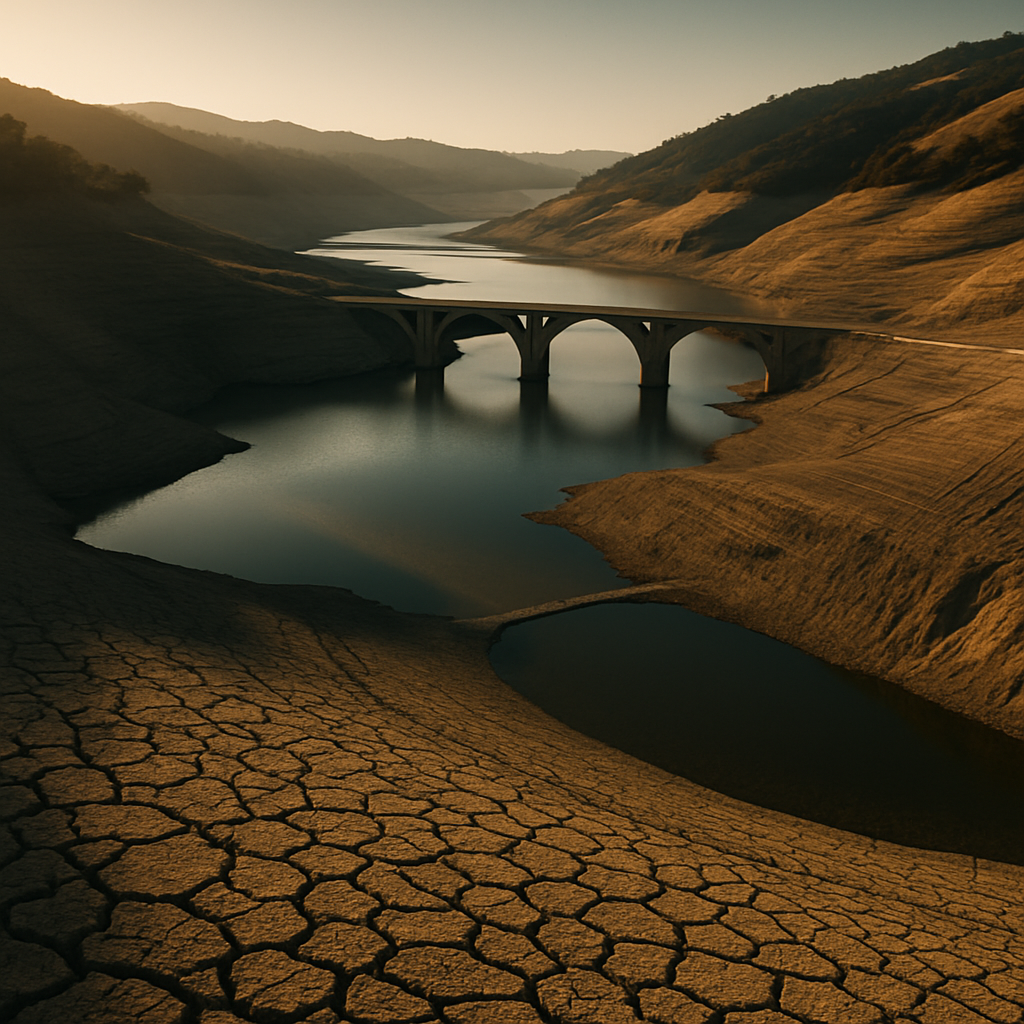
Which Cities Are Closest to ‘Day Zero’?
The term ‘Day Zero’ entered public consciousness when Cape Town, South Africa, came within weeks of running out of municipal water in 2018. It did not happen, owing to emergency restrictions and a change in rainfall patterns, but the episode served as a brutal proof of concept. The global water scarcity crisis 2026 has produced a longer, grimmer list of candidates.
Chennai, India’s fourth-largest city with a population of over nine million, has already experienced near-total reservoir depletion. In summer months, residents in peripheral districts queue for tanker deliveries, with the wealthier neighbourhoods drawing on private bore wells that are themselves running low. Karachi, Kabul, Jakarta and Bogotá all face structural supply deficits that no short-term policy tweak can resolve. Meanwhile, Mexico City, which sits atop an over-exploited aquifer and is simultaneously sinking due to land subsidence, presents a case so complex that hydrologists describe it as a slow-motion catastrophe already in progress.
In the Middle East and North Africa, the picture is particularly acute. Iran, Yemen and Iraq are experiencing groundwater depletion at rates that the BBC’s science and environment desk has described as among the fastest recorded anywhere on earth. The Tigris and Euphrates, rivers that cradled the first urban civilisations, now carry a fraction of their historical flow.
The Climate Science Behind the Crisis
The mechanism is not mysterious, even if the political will to respond to it remains frustratingly scarce. Rising global temperatures are disrupting the hydrological cycle in ways that are simultaneously making wet regions wetter and dry regions drier. Snowpack in mountain ranges from the Himalayas to the Andes, which acts as a natural reservoir releasing meltwater through spring and summer, is diminishing. This is not a minor adjustment. Many of the world’s great rivers, including the Indus, the Ganges and the Yellow River, are fed primarily by glacial melt. As that melt accelerates and then ultimately exhausts itself, downstream communities face an initial period of flooding followed by long-term scarcity.
The science is settled; the timeline is the variable. A 1.5°C average warming scenario produces one trajectory. Two degrees produces another. The gap between them, when measured in billions of people without reliable water access, is enormous.
Geopolitical Tensions and the Fight Over Water Rights
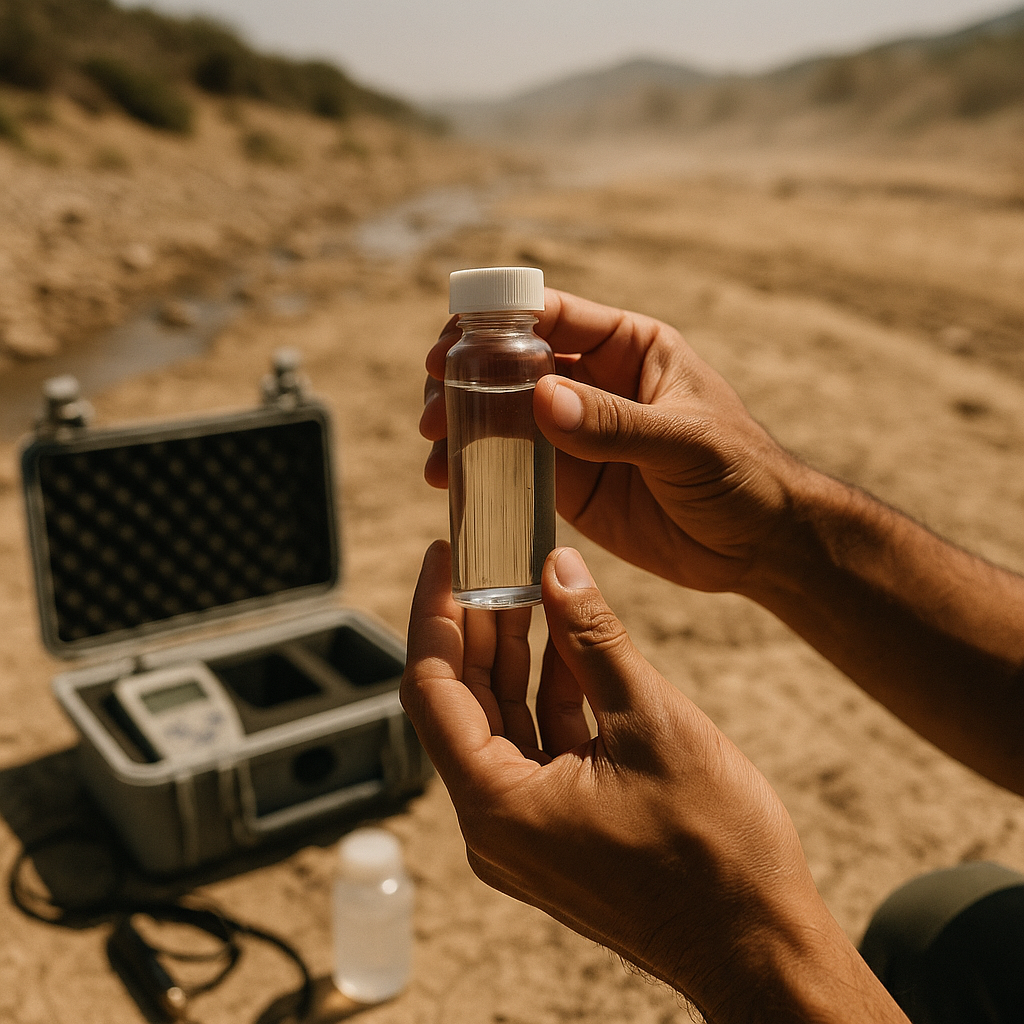
Where water is scarce, conflict follows. This is not rhetoric; it is history repeating itself with modern stakes. The Grand Ethiopian Renaissance Dam on the Blue Nile has placed Egypt, Ethiopia and Sudan in a state of sustained diplomatic tension for years. Egypt, which draws over 90 per cent of its fresh water from the Nile, views any upstream diversion as an existential threat. Ethiopia regards the dam as sovereign infrastructure for national development. There is no comfortable middle ground between those positions.
In Central Asia, the collapse of the Soviet Union left the Aral Sea basin divided amongst nations whose water needs are structurally incompatible. Uzbekistan and Turkmenistan want to irrigate cotton fields; Kyrgyzstan and Tajikistan want to generate hydroelectric power. The agreements governing the basin are chronically underfunded and diplomatically fragile.
Even within supposedly stable democratic nations, water is becoming politically charged. In the American West, the Colorado River Compact, originally drafted in 1922 based on rainfall projections that have proved hopelessly optimistic, has required emergency renegotiation. In India, interstate disputes over river-sharing agreements regularly reach the Supreme Court. Water, in short, is doing what energy did in the twentieth century: becoming a resource around which power, sovereignty and conflict organise themselves.
The Technologies Being Deployed to Avert Catastrophe
The global water scarcity crisis 2026 has also accelerated investment in technologies that, a decade ago, existed primarily in research papers. Some of the most promising developments are worth examining seriously rather than dismissing as futurism.
Desalination has matured considerably. Saudi Arabia and Israel have built large-scale reverse osmosis plants that now supply a significant portion of municipal water needs. The technology remains energy-intensive, which is both an economic and an environmental concern, but coupling desalination with solar or offshore wind is producing cost curves that were not feasible five years ago. Israel now desalinates roughly 90 per cent of its domestic water consumption, an extraordinary feat of engineering and policy alignment.
Atmospheric water generation, once the preserve of niche off-grid applications, is attracting serious capital. Companies are scaling devices that extract moisture directly from humid air, which could prove particularly relevant for coastal cities in tropical climates. Singapore, characteristically methodical in its long-term infrastructure thinking, has invested heavily in what it calls the ‘Four National Taps’ strategy, diversifying water sources across reservoirs, imported water, reclaimed water and desalination.
Precision agriculture, which uses sensor networks and satellite data to apply irrigation only where and when it is needed, is cutting water consumption in farming by up to 40 per cent in pilot programmes across Spain, Australia and India. Given that agriculture accounts for roughly 70 per cent of global fresh water usage, the efficiency gains available here are substantial.
What the Global Water Scarcity Crisis Means for the UK
Britain, with its reputation for grey skies and persistent drizzle, might seem insulated from all of this. It is not, or at least not entirely. The south-east of England is classified as a water-stressed region by the Environment Agency, receiving less rainfall per person than many parts of Morocco. Thames Water, which serves around 15 million customers, has faced sustained criticism over leakage rates and long-term infrastructure investment. The government’s National Framework for Water Resources sets out plans for new reservoirs, water transfers between regions, and reduced per-capita consumption targets to 2050, but progress has been slow.
Beyond domestic supply, the global water scarcity crisis 2026 will affect Britain economically through supply chains. Cotton, coffee, almonds, rice and a significant proportion of the fresh produce on British supermarket shelves are grown in regions facing severe water stress. As yields fall and production costs rise, the inflationary pressure on food prices will be felt in every household, irrespective of British rainfall.
The water emergency is not a single story set in a far-away desert. It is a networked crisis, and its threads run through every economy, including our own. The cities that will run dry first are the ones most visible, but the consequences of their failure will be felt far beyond their borders. The question worth asking now is not whether we are affected, but how seriously we intend to take the warning while there is still time to act on it.
Frequently Asked Questions
Which cities are most at risk from water scarcity in 2026?
Cities including Chennai, Karachi, Mexico City, Kabul and Cape Town are among the most acutely water-stressed, with groundwater depletion, low reservoir levels and rapid population growth all contributing. In the Middle East, cities in Iran, Yemen and Iraq face some of the fastest rates of groundwater decline recorded anywhere globally.
What is causing the global water scarcity crisis?
The crisis is driven by a combination of climate change reducing snowpack and altering rainfall patterns, over-extraction of groundwater aquifers, ageing infrastructure with high leakage rates, and population growth increasing demand. Agriculture, which accounts for roughly 70 per cent of global fresh water use, is a particularly significant pressure point.
Is the UK affected by the global water scarcity crisis?
Yes, in several ways. The south-east of England is officially classified as a water-stressed region by the Environment Agency, and providers like Thames Water face serious long-term infrastructure challenges. The UK is also economically exposed through food supply chains, as many imported crops are grown in severely water-stressed regions.
What technologies are being used to tackle water scarcity?
Key technologies include large-scale desalination using reverse osmosis (now supplying the majority of Israel’s domestic water needs), atmospheric water generators that extract moisture from air, and precision irrigation systems that can cut agricultural water use by up to 40 per cent. Coupling desalination with renewable energy is making the process increasingly cost-effective.
Can geopolitical tensions over water lead to conflict?
The evidence suggests they already have and are likely to intensify. The dispute between Egypt, Ethiopia and Sudan over the Grand Ethiopian Renaissance Dam is a clear example of water access becoming a source of serious diplomatic and potentially military tension. Analysts increasingly regard water rights as one of the defining geopolitical flashpoints of the late 2020s.