
It is, by any measure, one of the more unsettling findings of the modern scientific era. Researchers have now confirmed the presence of microplastics in human blood, lungs, placentas, breast milk, and most recently, the walls of the heart. We are not talking about trace anomalies detectable only in laboratory conditions. A study published in the journal Environment International found plastic particles in the blood of 77 per cent of participants tested. The question is no longer whether microplastic contamination is happening inside us. The question is what, precisely, it is doing there.
This is a field moving at extraordinary speed. What scientists knew with confidence two years ago now feels like the opening chapter of a far longer and more troubling story. The latest research is beginning to map not just the presence of these particles but their biological behaviour, and the implications are significant enough to warrant serious attention from anyone interested in their own health.

What Are Microplastics and How Do They Enter the Body?
Microplastics are fragments of plastic less than five millimetres in diameter, though many of the particles studied in human tissue are nanoscale, meaning they are invisible to the naked eye. They originate from the degradation of larger plastic items, from synthetic textiles, from plastic packaging, from tyres, from cosmetics, and from industrial processes. They enter the body primarily through ingestion and inhalation, though dermal absorption is also being investigated as a secondary route.
The average person in the UK is estimated to consume roughly five grams of plastic per week, equivalent in mass to a credit card, according to research commissioned by WWF. Much of that arrives through drinking water, whether from the tap or bottled. Seafood is a significant vector. So is the simple act of heating food in plastic containers or drinking from plastic cups. The air inside most British homes contains measurable levels of airborne plastic fibres, shed from upholstered furniture, synthetic carpets, and clothing made from polyester or nylon.
What the Latest Research on Health Implications Shows
The 2024 and 2025 literature on microplastic contamination has produced findings that are difficult to dismiss. A landmark study published in the New England Journal of Medicine examined patients undergoing surgery for carotid artery disease and found those with microplastics present in their arterial plaque had a significantly higher risk of heart attack, stroke, and death within three years compared to those without. This is the first study to link microplastic presence in human tissue directly to hard clinical outcomes rather than simply noting accumulation.
Separately, research from the University of Hull has examined the inflammatory response triggered by certain plastic particles in lung tissue. Polyethylene and polystyrene fragments appear to provoke a persistent low-grade inflammatory reaction that mirrors, in some respects, the kind of chronic inflammation associated with elevated risk of respiratory disease and certain cancers. Endocrine disruption is another axis of concern: several chemical additives leached by plastics, including phthalates and bisphenol A, are well-established hormone disruptors, and the evidence that plastic particles themselves may carry these compounds into deep tissue is mounting.
What scientists are careful to emphasise is that causal mechanisms in humans are still being established. The correlations are striking. The biological plausibility is strong. But the field is honest about the fact that long-term population studies are still in relatively early stages. That said, the direction of travel in the evidence is, by most accounts, concerning rather than reassuring.
How to Reduce Microplastic Exposure: Evidence-Based Steps
Eliminating microplastic contamination entirely from modern life is not realistic. But the evidence does support meaningful reductions through targeted behavioural changes, and given what we now know about accumulation dynamics, reducing exposure from multiple vectors simultaneously is likely to have a compounding benefit.
Switch to filtered tap water and avoid plastic bottles
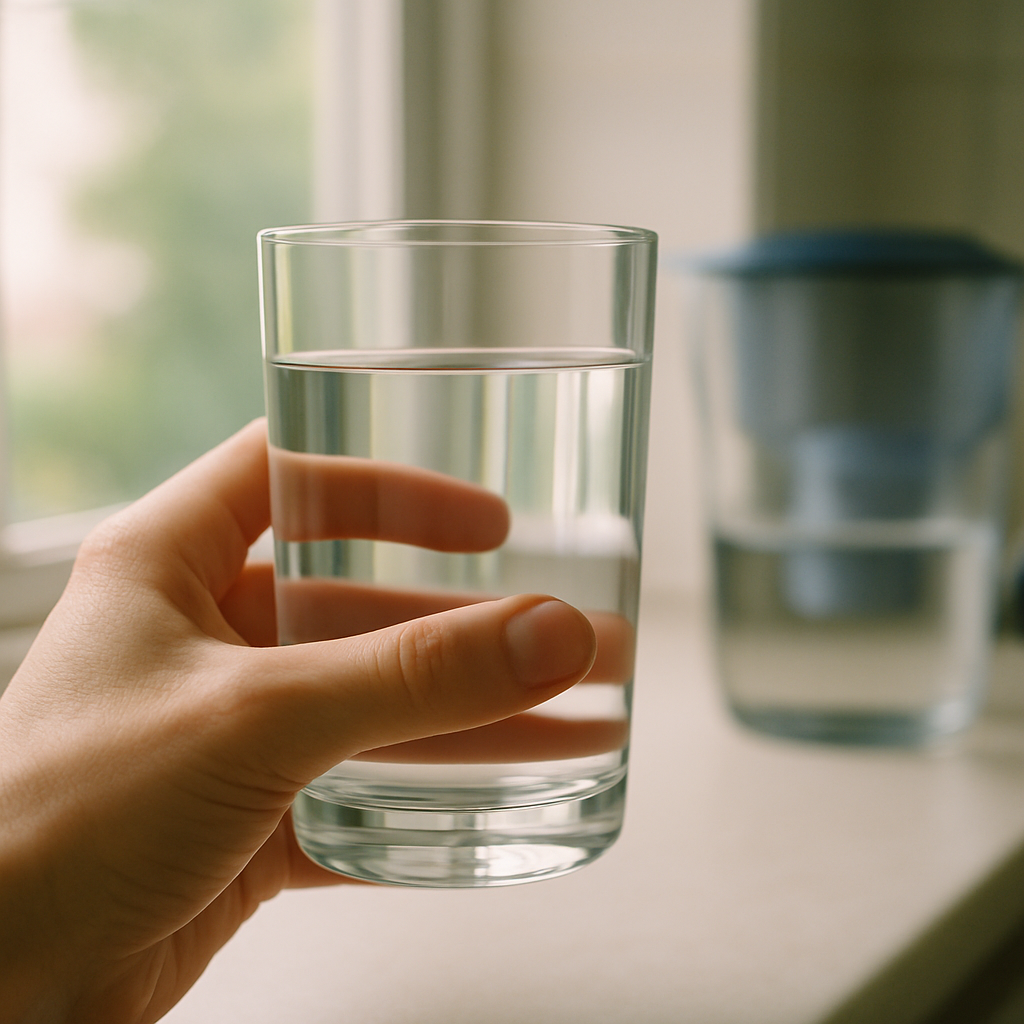
Bottled water, paradoxically, contains significantly higher concentrations of microplastics than properly filtered tap water. A study by researchers at Columbia University found an average of 240,000 plastic particles per litre in tested bottled water, most of them nanoplastics shed from the bottles themselves. Installing a quality under-sink filter with a pore size small enough to capture nano-scale particles, or using a certified filter jug, reduces exposure substantially. If you drink a lot of hot beverages, avoid paper cups: the inner lining is plastic, and heat accelerates particle release.
Rethink how you heat and store food
Never heat food in plastic containers, even those labelled microwave-safe. That designation relates to structural integrity, not to whether the plastic leaches particles into food when heated. Transfer leftovers to glass, ceramic, or stainless steel before reheating. Cling film should not be in contact with food during microwaving. Swap plastic chopping boards for wood or glass: a used woodworking machinery enthusiast building their own hardwood boards at home is, rather satisfyingly, making a genuinely health-conscious choice.
Improve indoor air quality
Airborne microplastics in the home come largely from synthetic textiles and carpets. Vacuuming regularly with a HEPA-filter vacuum, opening windows to improve ventilation, and choosing natural fibre furnishings where possible will reduce airborne particle counts. Washing synthetic clothing in a microplastic-catching laundry bag, such as those made by Guppyfriend, prevents fibres entering waterways and reduces the dispersal of particles into the home environment during washing.
Reduce dietary exposure through food choices
Seafood, particularly shellfish consumed whole, carries the highest dietary microplastic burden. That does not mean abandoning it entirely, but awareness is useful. Salt, honey, and beer have all been found to contain particles. Choosing foods packaged in glass, cardboard, or not packaged at all, particularly for acidic foods that accelerate plastic leaching, is a pragmatic and relatively low-effort adjustment.
What the UK Government and Public Health Bodies Are Saying
The UK Health Security Agency has acknowledged the growing body of evidence on microplastic contamination, though official guidance remains cautious pending more conclusive long-term studies. The Food Standards Agency published a research review noting that whilst current dietary exposure levels are unlikely to cause acute harm, chronic accumulation effects are not yet fully understood and warrant ongoing monitoring. That is the measured language of public health bodies navigating genuine scientific uncertainty. It should not be read as reassurance that the situation is without concern.
The broader regulatory picture in the UK involves a gradual tightening of restrictions on single-use plastics and plastic packaging, with further measures expected under the extended producer responsibility framework. These are structural changes that will take years to alter the volume of plastic in circulation. Individual action, in the meantime, remains the most direct lever available.
The Bigger Picture: A Crisis That Demands Structural Change
Personal mitigation is valuable. But it is worth being clear-eyed about the scale of what we are dealing with. Microplastics have been found in the deepest ocean trenches, in Arctic ice cores, and in rainwater collected above remote mountain ranges. They are a systemic consequence of six decades of plastic production without adequate consideration of end-of-life dispersal. The UK produces roughly 1.7 million tonnes of plastic waste annually, according to the British Plastics Federation. Even the most conscientious individual choices operate against that backdrop.
The science of microplastic contamination is moving faster than policy. What it is telling us, with increasing confidence, is that the particles accumulating in human tissue are not biologically inert. Addressing that will require action at every level, from the choices made in individual kitchens to the regulatory frameworks governing how plastic is manufactured, used, and disposed of. The evidence is now too substantial to defer either the concern or the response.
Frequently Asked Questions
Are microplastics really found inside the human body?
Yes. Scientific studies have confirmed microplastics in human blood, lungs, liver, kidneys, placentas, breast milk, and arterial plaque. A 2022 study found plastic particles in the blood of 77 per cent of participants tested, and more recent research has linked accumulation in arterial tissue to increased cardiovascular risk.
What are the most concerning health effects of microplastic contamination?
The most significant recent finding links microplastics in arterial plaque to higher rates of heart attack and stroke. Researchers are also investigating chronic inflammation, endocrine disruption caused by chemical additives in plastics, and potential impacts on immune function, though causal mechanisms in humans are still being established.
How can I reduce my microplastic exposure at home?
Key steps include filtering tap water rather than drinking from plastic bottles, avoiding heating food in plastic containers, vacuuming regularly with a HEPA-filter vacuum, and choosing natural fibre textiles where possible. Switching to glass, ceramic, or stainless steel food storage makes a measurable difference.
Is bottled water worse than tap water for microplastics?
Yes, research consistently finds higher microplastic concentrations in bottled water than in filtered tap water, largely because plastic particles shed from the bottles themselves. Using a quality tap filter or certified filter jug is a more effective and environmentally sound alternative.
What foods contain the most microplastics?
Shellfish consumed whole carry the highest dietary burden, as the digestive systems where plastics accumulate are eaten along with the flesh. Sea salt, honey, and beer have also tested positive for particles. Foods stored or heated in plastic packaging tend to have higher contamination levels than those in glass or unpackaged alternatives.