
In an age where free time feels like a rare luxury, micro-hobbies are quietly reshaping how we relax, learn and socialise. Rather than committing to grand projects or weekend-consuming pursuits, people are carving out tiny pockets of meaningful activity that fit into ten, twenty or thirty minutes at a time.
What are micro-hobbies and why are they trending?
Micro-hobbies are small, low-commitment activities that can be picked up and put down with minimal preparation. They are the antidote to the feeling that you need a whole afternoon, a specialist space or expensive equipment to enjoy yourself. A micro-hobby might be a daily sketch, a five-minute language drill, a short puzzle, or a quick burst of digital decluttering.
The appeal is obvious. Many professionals now work irregular hours or juggle multiple responsibilities. The idea of joining a club or signing up for a lengthy course can feel unrealistic. Micro-hobbies offer a way to reclaim slivers of time without the guilt of abandoning yet another ambitious project halfway through.
How micro-hobbies support mental wellbeing
There is growing interest in how micro-hobbies can support mental health. Short, focused tasks provide a sense of completion that is often missing from long, drawn-out workdays. Finishing a small embroidery motif, solving a crossword clue or learning a new chord on the guitar gives the brain a clear, satisfying reward.
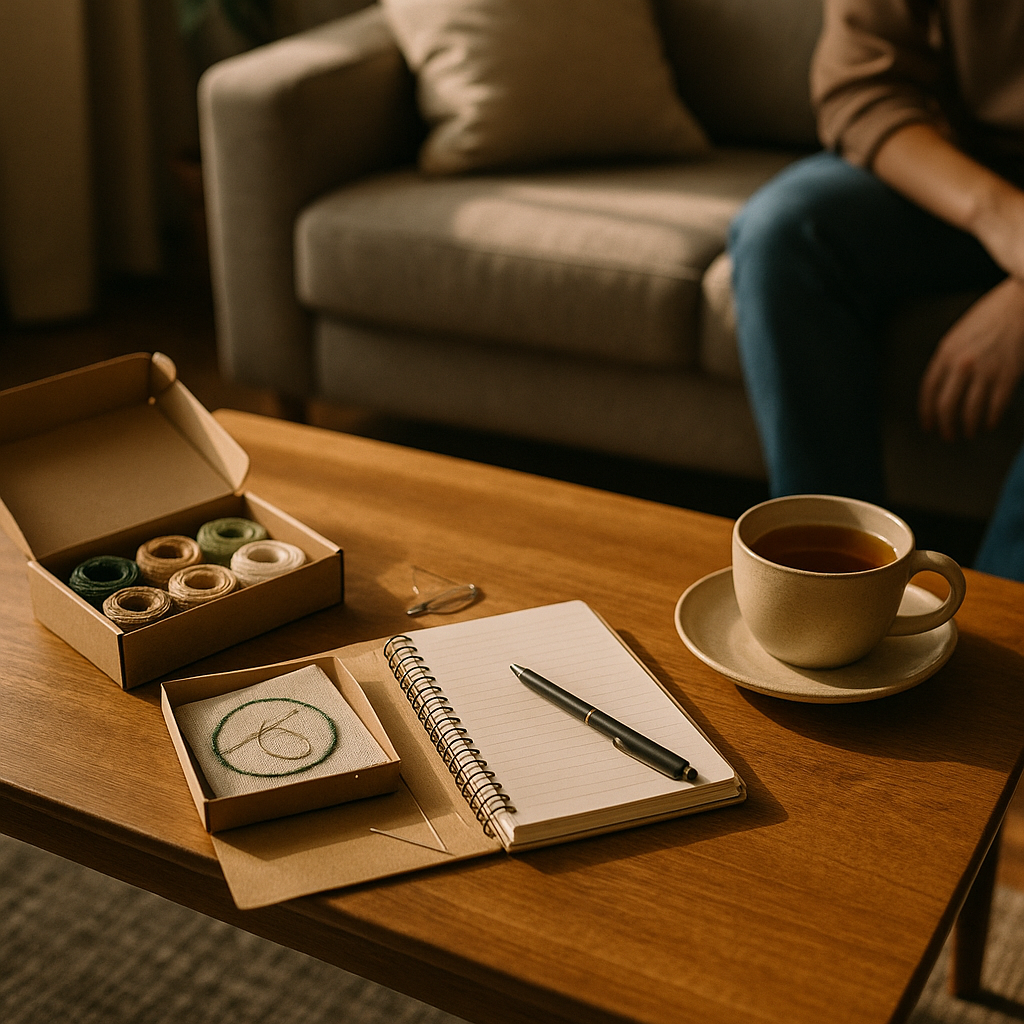
These activities also create gentle structure. A five-minute ritual at the start or end of the day can act as a psychological buffer between work and rest. For some, a pocket-sized craft kit or a tiny puzzle from a specialist retailer such as Mitzybitz becomes a tactile reminder to pause, breathe and do something purely for pleasure.
Popular types of micro-hobbies
The world of these solutions is diverse, but several themes are emerging as particularly popular:
- Creative bursts – mini watercolour sketches, short poems, or one-page journalling sessions that can be completed in a single sitting.
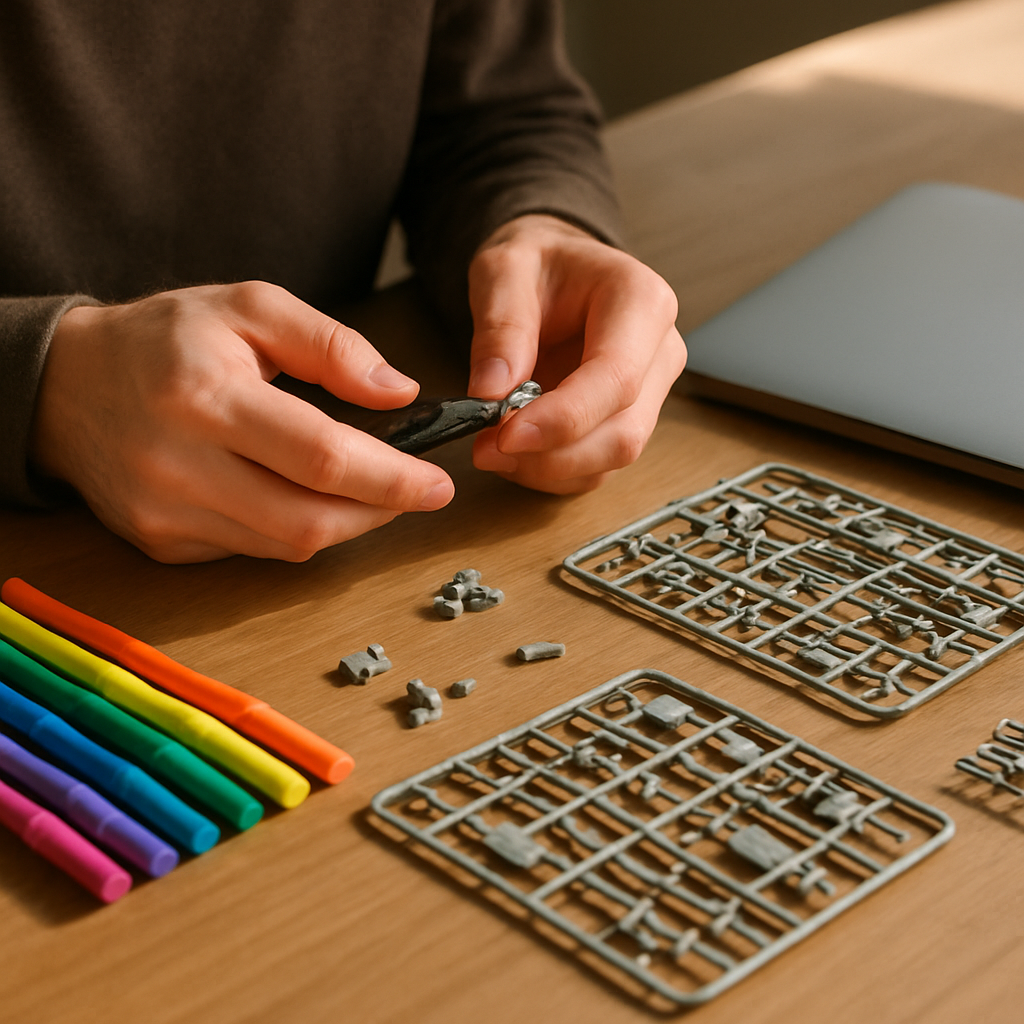
- Mindful making – compact knitting or crochet projects, origami, or tiny model kits that can be advanced in a few stitches or folds at a time.
- Brain snacks – word games, logic puzzles, micro crosswords and daily quizzes that stimulate without overwhelming.
- Digital mini-projects – quick photo edits, playlist curation or ten-minute video tutorials that add skills in small increments.
Crucially, these pursuits are deliberately modest in scope. The aim is not to produce a masterpiece, but to enjoy the act of doing something for its own sake.
Building these solutions into a busy day
One reason these solutions are catching on is their flexibility. They can be woven into the margins of almost any schedule. The trick is to remove friction. Keep materials visible and ready to hand, and choose activities that do not require elaborate setup or cleaning.
A notebook by the kettle can turn brewing a cup of tea into a two-minute sketching session. A small puzzle book in a bag transforms a commute or waiting room into focused downtime. A compact craft kit on a coffee table invites you to add just a few stitches while a programme loads or the oven preheats.
By pairing a micro-hobby with an existing routine, it becomes a natural extension of the day rather than another item on a to-do list.
these solutions and the future of leisure
As attention spans are pulled in multiple directions, there is a certain elegance to the idea of intentional, tiny pastimes. Rather than surrendering every spare moment to scrolling, these solutions encourage active engagement, skill-building and a sense of personal agency.
They also lend themselves to sharing. Friends compare daily doodles, swap miniature craft supplies or set each other quick challenges. Online communities form around ten-minute reading sprints or weekly postcard-sized artworks, proving that small-scale creativity can still feel communal.
In a culture that often glorifies being busy, these solutions offer a subtle but powerful counterpoint. They remind us that leisure does not have to be grand to be worthwhile, and that even the smallest pockets of time can be reclaimed for curiosity, play and quiet satisfaction.
For anyone feeling that life is too crowded for traditional pastimes, these solutions present a refined, modern alternative: small, elegant and perfectly adapted to the realities of contemporary living.

Micro-hobbies FAQs
What counts as a micro-hobby?
A micro-hobby is any enjoyable activity that can be started and finished, or at least meaningfully progressed, in a short block of time. It should require minimal setup, be easy to return to after a break, and feel light rather than like another obligation. Examples include quick sketches, small craft projects, short puzzles or brief language exercises.
How can I choose the right micro-hobby for me?
Start by considering how much energy you typically have at the times you are free. If you are mentally tired, a tactile craft or simple puzzle may be better than intensive study. Look for activities that fit easily into your environment and budget, and experiment with two or three options before settling on one that feels genuinely restorative rather than like self-improvement homework.
Can micro-hobbies really improve my wellbeing?
Yes, many people find that small, regular creative or playful activities help reduce stress and improve mood. Micro-hobbies provide moments of focus and a sense of completion, which can be especially valuable when work or home life feels open-ended. While they are not a substitute for professional support where needed, they can form a gentle, sustainable part of a wider wellbeing routine.