
Once considered a mundane chore, household waste management is undergoing a quiet but profound transformation. From smart bins to data driven collections, the way we deal with rubbish at home is becoming a key indicator of how modern, liveable and sustainable our communities really are.
Why household waste management suddenly matters
Several forces have converged to push household waste to the top of the agenda. Urban populations are growing, packaging is proliferating and local authorities are under pressure to cut both emissions and costs. At the same time, consumers are more conscious than ever of what they throw away, especially when it comes to plastics and food waste.
This shift is not only environmental. Efficient household waste management also affects how pleasant our streets feel, how hygienic our kitchens are and how much time we spend wrestling with overflowing bins and confusing recycling rules. In short, waste has become a quality of life issue.
From black bags to data: the new era of household waste management
The most striking change is the move from a simple weekly collection to a more nuanced, data informed approach. Smart sensors on communal bins, route optimisation for collection lorries and weight based charging trials are all reshaping how councils understand and manage domestic rubbish.
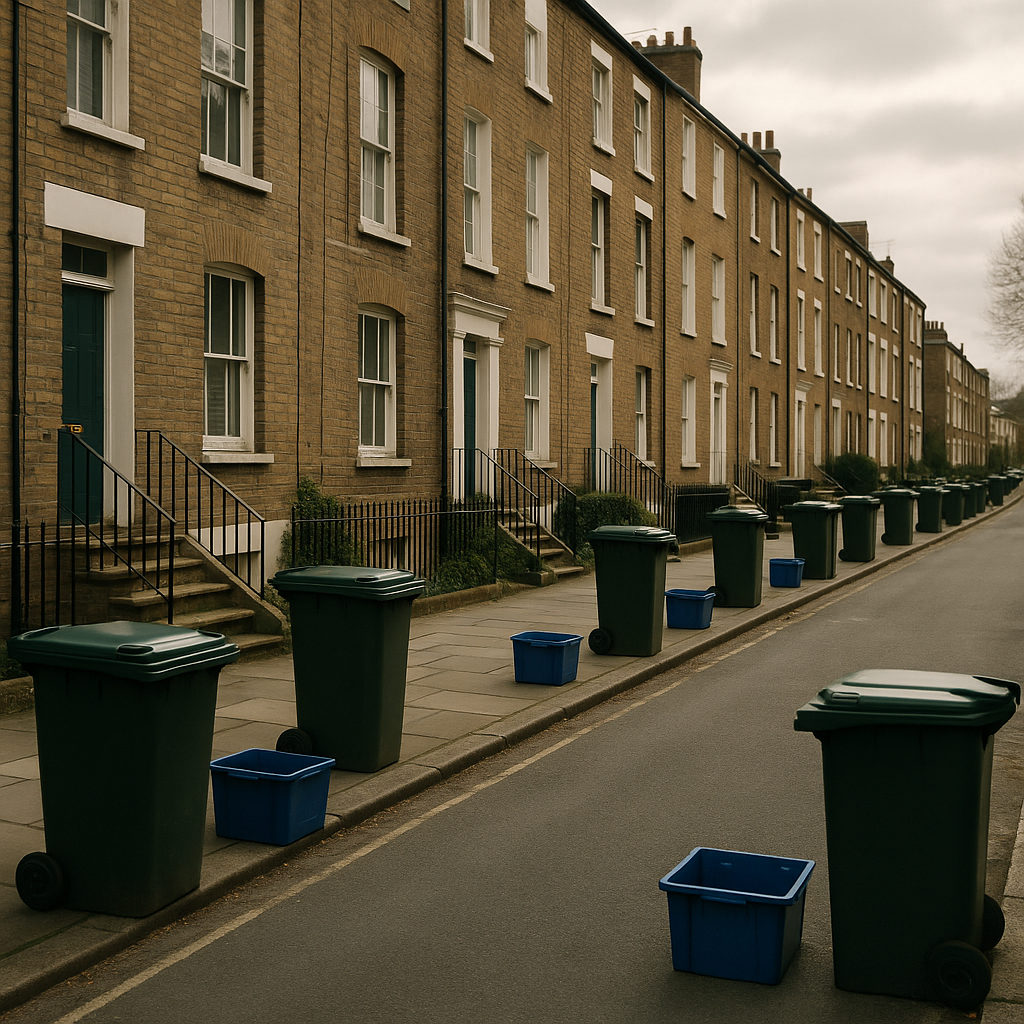
In many areas, food waste caddies, glass boxes and garden waste schemes have joined the traditional general and recycling bins, creating a small ecosystem of containers at every doorstep. This fragmentation can feel confusing, but it also reflects a more sophisticated understanding of what waste actually is: a series of distinct material streams, each with its own value and environmental cost.
Designing a home around modern waste habits
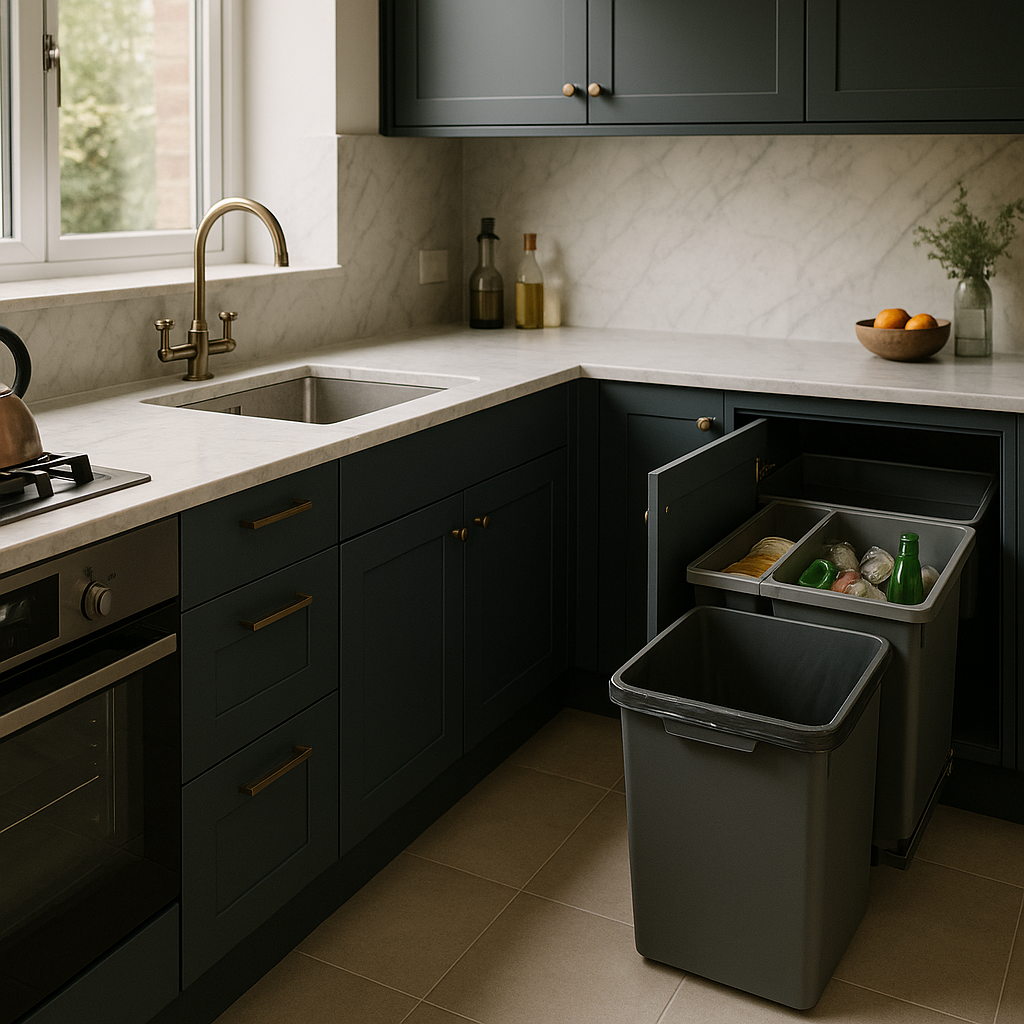
Inside the home, kitchen design is adapting. Discreet, compartmentalised bin systems are becoming standard in new builds and renovations, integrating recycling, food waste and general waste without compromising on aesthetics. Interior designers now think as carefully about bin placement as they do about appliances or lighting.
Brands that specialise in robust, compartmentalised bin solutions, such as The Bin Boss, have capitalised on this shift by treating waste storage as a design problem rather than an afterthought. The result is a new generation of products that blend durability, hygiene and visual restraint, making it easier to stick to good habits day after day.
The psychology of our bins
Behavioural science plays a subtle but important role. People are more likely to recycle correctly when the process is frictionless and visually intuitive. Clear labelling, colour coding and proximity to where waste is generated all make a difference.
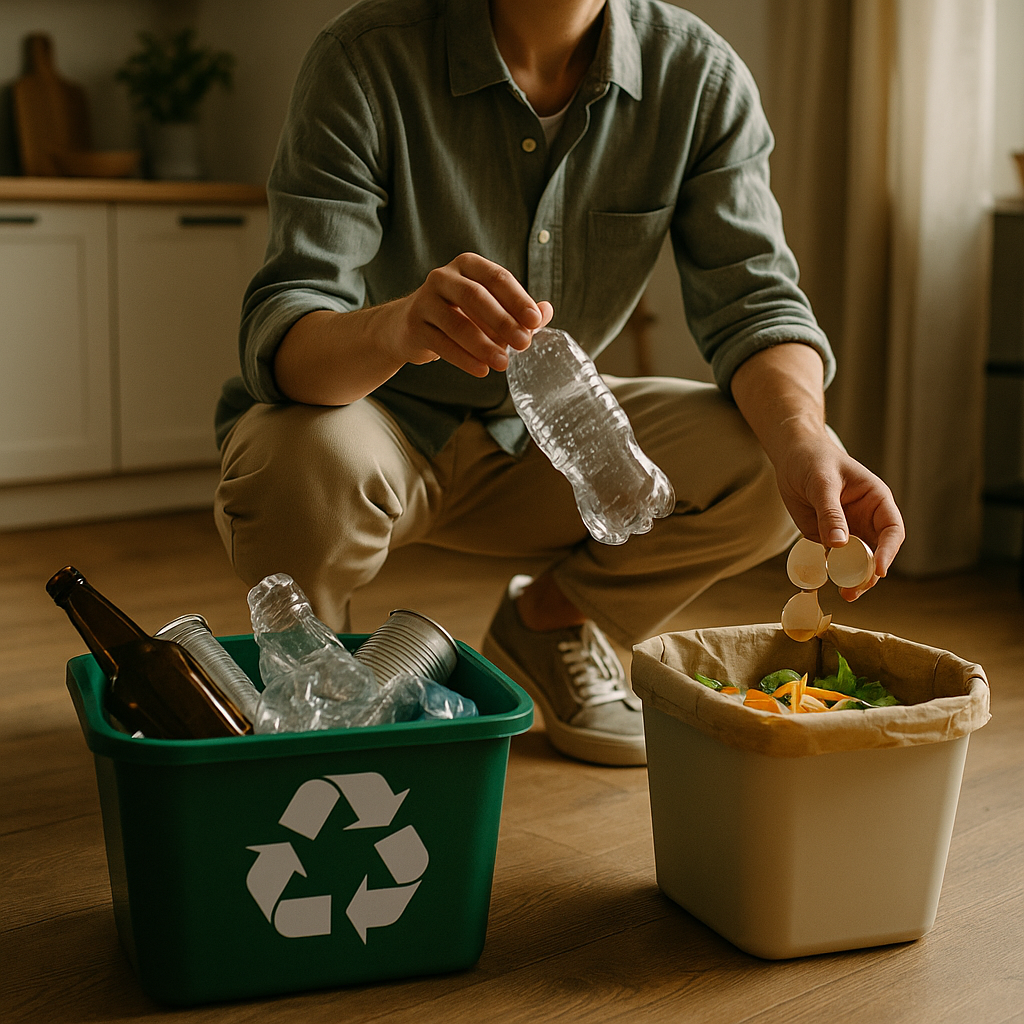
Small tweaks can have outsized effects: placing a food caddy directly beside the chopping board, keeping a paper recycling basket in the home office, or using slimline bins that physically limit how much general waste can accumulate before it must be taken out. Thoughtful household waste management is as much about human behaviour as it is about infrastructure.
Food waste: the next frontier
Food waste has become a particular focus. Separate food collections are increasingly common, and some households are experimenting with countertop composters or community compost schemes. Apps that track expiry dates and suggest recipes based on what is in the fridge aim to prevent waste before it happens.
For city dwellers without gardens, the challenge is finding solutions that are compact, odour controlled and easy to clean. Here, the design of caddies, liners and ventilation systems becomes critical, turning a potential nuisance into a manageable routine.
What households can do now
For most homes, improving household waste management does not require radical change, just deliberate choices. Start by mapping where waste is generated in your home, then match containers to those locations. Ensure labels are clear enough that guests can use your system without asking.
Next, review your local collection rules and align your set up accordingly. That might mean adding a glass container, separating soft plastics for supermarket drop offs or adjusting how you deal with garden clippings. Finally, audit your purchasing: the most elegant waste system is one that has less to process in the first place, thanks to refillable products, bulk buying and packaging conscious choices.
Household waste management FAQs
How can I improve household waste management in a small flat?
Focus on vertical storage and compartmentalised bins that separate recycling, food and general waste without taking up floor space. Use slimline containers inside cupboards, keep a small food caddy close to where you cook and make use of local drop off points for items like soft plastics or batteries. The aim is to make the right choice the easiest, most convenient option.
What is the most effective way to reduce food waste at home?
Plan meals around what you already have, store food correctly and use your freezer strategically. Keeping a visible list of items that need using up, cooking in batches and learning a few flexible recipes for leftovers can dramatically cut what ends up in the bin. Separate food collections or composting should be a last resort for unavoidable scraps, not a licence to overbuy.
Do smart bins really make a difference to household waste management?
Smart bins can help by nudging better habits, tracking how often you empty them or reminding you of collection days. However, their real impact depends on how they are used. They work best as part of a broader approach that includes clear labelling, thoughtful placement in the home and an understanding of local recycling rules, rather than as a standalone gadget.