
LED light therapy at home has moved from niche gadget to bathroom-shelf essential, quietly reshaping how we think about skincare rituals. Once confined to dermatology clinics and facialist studios, light-based treatments are now arriving in sleek, sculptural devices designed to sit next to your cleanser and serum.
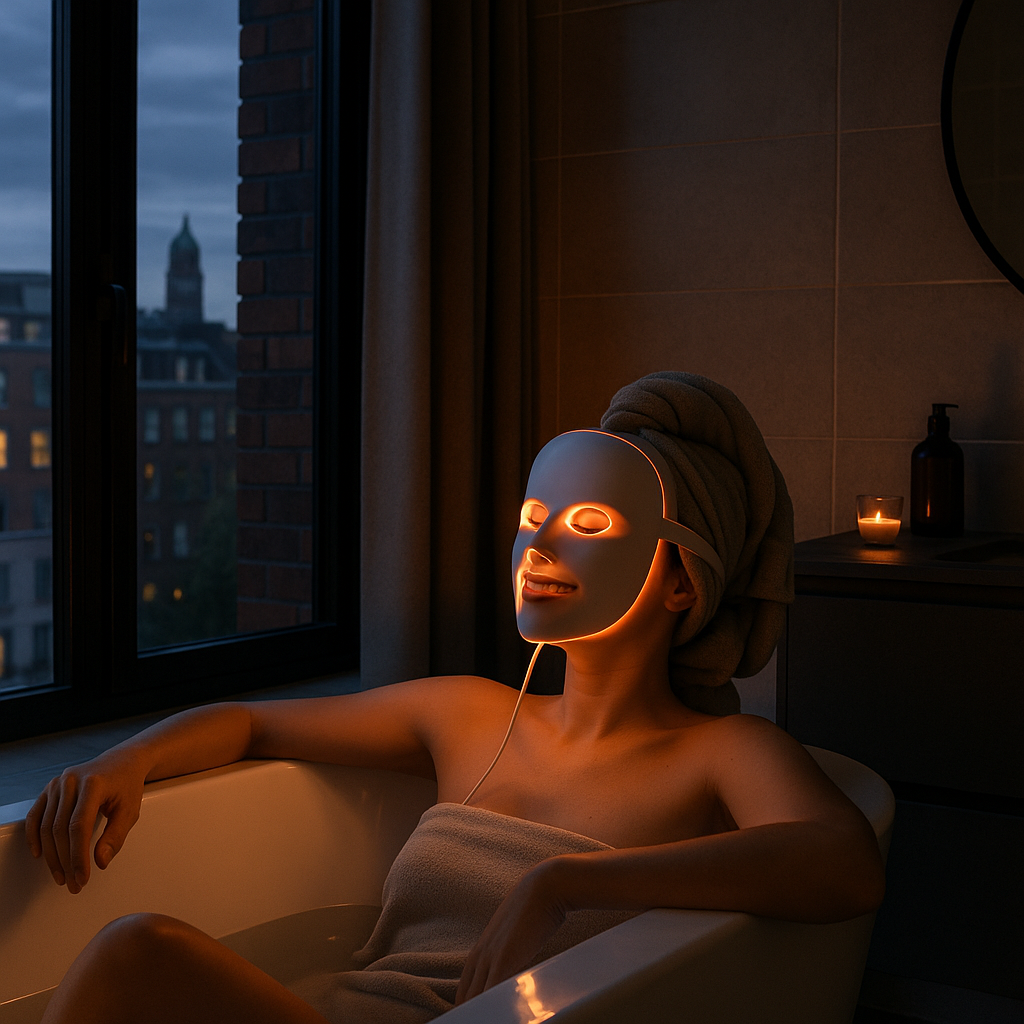
What is LED light therapy at home actually doing to your skin?
At its core, LED light therapy at home uses specific wavelengths of light to stimulate different responses in the skin. Red wavelengths are typically associated with collagen support and calming inflammation, while blue light is often used to target breakout-causing bacteria. Some devices layer in near-infrared for deeper rejuvenation or amber for radiance.
Unlike lasers, LEDs are non-ablative and non-thermal, meaning they do not wound the skin. Instead, they deliver a low-level energy that skin cells can absorb, a process often described as giving the skin a gentle nudge rather than a dramatic shock. The result is a cumulative effect: small, consistent improvements rather than an overnight transformation.
Why LED light therapy at home is trending now
The surge of interest in LED light therapy at home is not accidental. Several cultural shifts have converged to make it the treatment of the moment. First, there is the rise of the “skin minimalist” who would rather invest in one intelligent tool than a dozen overlapping serums. Second, there is a growing appetite for clinic-grade results without the waiting room or consultation fee.
Social media has also played its part. The photogenic, almost sci-fi aesthetic of full-face LED masks has become a staple in bathroom mirror selfies, normalising high-tech skincare tools as part of everyday life. At the same time, dermatologists and facialists have become more vocal about the evidence base for light treatments, lending them a level of credibility that many beauty trends lack.
How to integrate LED light therapy at home into a routine
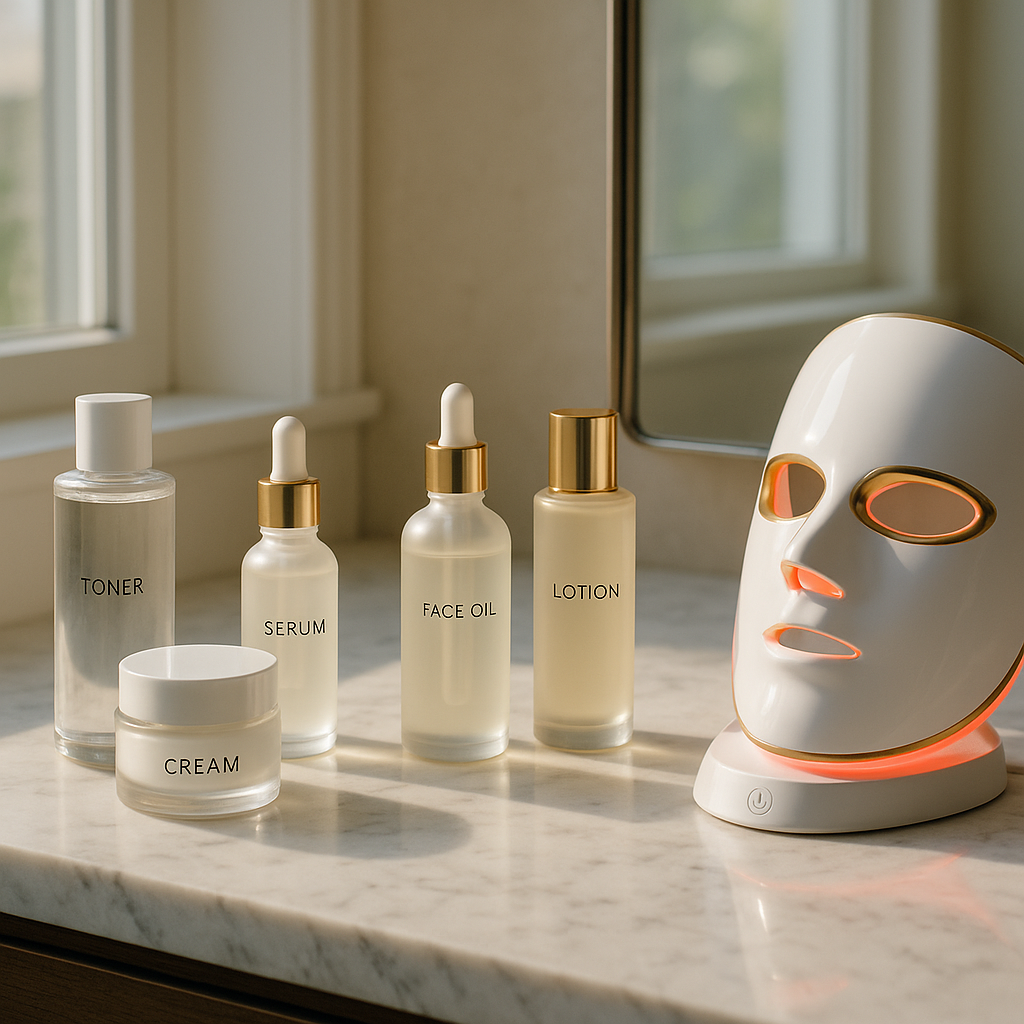
The most effective routines treat LED as a finishing touch rather than a standalone miracle. Typically, skin should be thoroughly cleansed, with any heavy oils removed so that light can reach the skin unimpeded. Hydrating, fragrance-free serums can be applied beforehand, provided the device manufacturer confirms compatibility.
Most consumer devices recommend several short sessions each week. Consistency matters more than duration; five to ten minutes, three to five times weekly, is often more productive than a single marathon session. It is also wise to treat LED as a long-term habit, much like retinoids or sunscreen, rather than a one-off fix before an event.
Choosing a device: what really matters
With a growing number of masks, wands and panels on the market, it can be difficult to distinguish substance from spectacle. Reputable devices are transparent about wavelength ranges, treatment times and safety testing. Look for clear documentation rather than vague promises of “glow” and “rejuvenation”.
Independent reviews from dermatology professionals are particularly useful, as is any published testing on real users. Some brands now pair their devices with companion apps that track usage and progress, turning skincare into a lightly quantified ritual rather than a hopeful guess.
Beyond beauty: the broader light-based wellness trend
The newfound enthusiasm for LEDs sits within a wider fascination with light-based wellness. From sunrise alarm clocks to circadian lighting systems in the home, there is a growing awareness that light is not merely something by which we see, but something that can shape how we feel and function.
Alongside cosmetic uses, there is rising curiosity about targeted options such as red light therapy for more specific concerns. While the science is still evolving, the direction of travel is clear: light is becoming a central pillar of modern self-care, rather than a fringe experiment.
The future of LED light therapy at home
Looking ahead, these solutions is likely to become more personalised. Expect devices that adjust wavelength combinations based on skin tone, lifestyle and even local pollution levels, plus integrations with wearables that track recovery and stress.
LED light therapy at home FAQs
Is LED light therapy at home safe for all skin types?
Most LED devices designed for home use are considered suitable for a wide range of skin types, including sensitive skin, because they use low-level, non-ablative light. However, anyone with a history of light-sensitive conditions, epilepsy, or who is taking photosensitising medication should speak to a medical professional before starting. It is also worth patch-testing for comfort, starting with shorter sessions and gradually building up to the recommended treatment time.
How long does it take to see results from LED light therapy at home?
LED treatments tend to work cumulatively, so results are more gradual than dramatic. Many users report subtle improvements in radiance and texture within four to six weeks of consistent use, with more noticeable changes in tone and fine lines often taking several months. As with topical skincare, consistency is crucial: irregular or sporadic use is unlikely to deliver meaningful results.
Can I combine LED light therapy at home with active skincare ingredients?
Yes, but it is important to proceed with care. Gentle hydrating serums and barrier-supporting products usually pair well with LED sessions. Strong actives such as retinoids, exfoliating acids or high-strength vitamin C may increase sensitivity for some people, especially if applied immediately before treatment. Many practitioners suggest using actives at a different time of day and keeping LED sessions paired with simpler, soothing formulas to minimise the risk of irritation.