
The obituary for Britain’s high street has been written so many times that it began to feel like fact. Empty units. Boarded-up windows. The slow, grinding exodus of retail to out-of-town retail parks and, eventually, to the internet. For two decades, the prevailing wisdom held that town centres were dying, and that nothing short of a miracle could reverse it. As it turns out, what was actually needed was considerably more practical than a miracle.
Across the country, something is stirring. Not a single grand gesture, but a convergence of investment, imagination, and, frankly, necessity. The high street reinvention is under way, and it looks nothing like what the property consultants predicted.
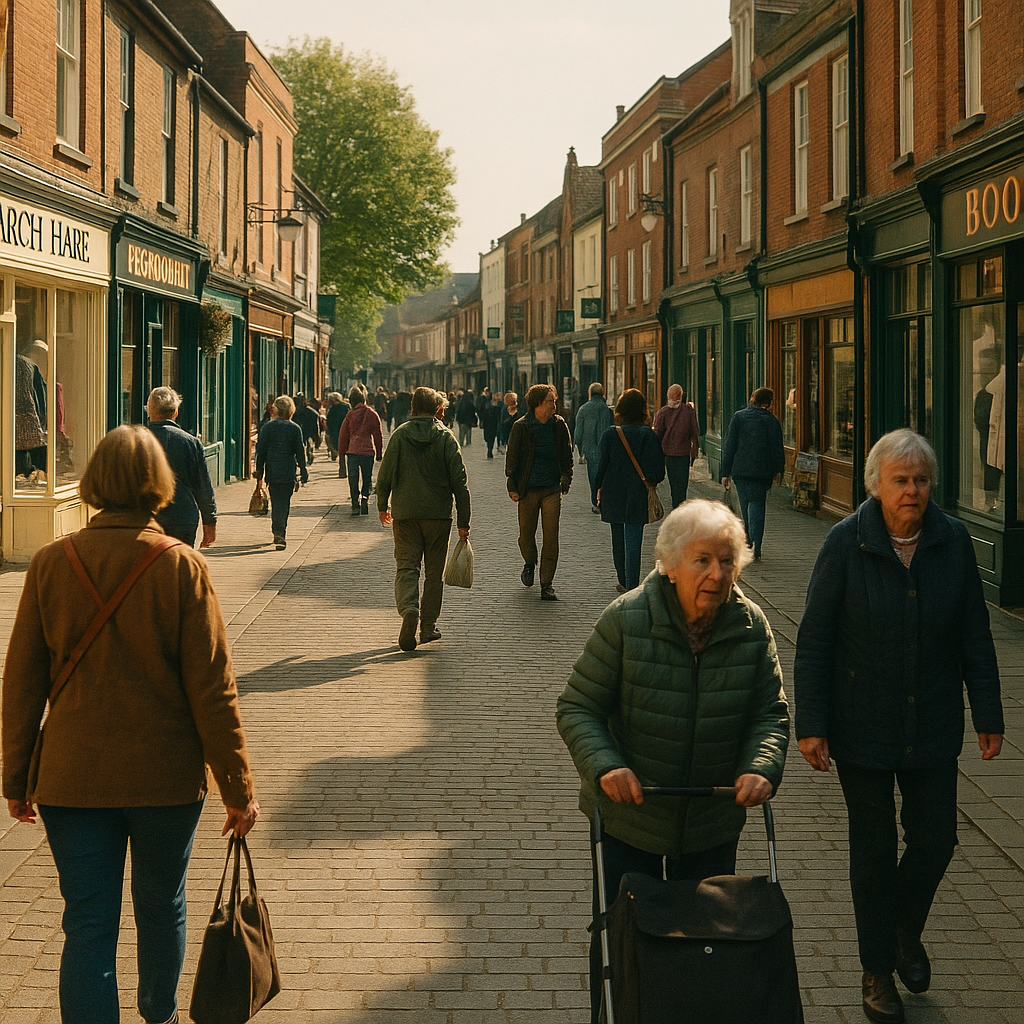
What Has Actually Changed on Britain’s High Streets?
The raw numbers have been stubborn. According to data from the Office for National Statistics, retail footfall in town centres remains below pre-pandemic levels in many regions, and vacancy rates in some northern cities still hover around 17 per cent. These are not figures to be celebrated. But they obscure a more interesting story about what is replacing what has been lost.
The shop units that sat empty for years are being repurposed with a speed and creativity that surprised even local councils. In Preston, former retail spaces have been converted into co-working studios, NHS diagnostic hubs, and small-scale food halls. In Wolverhampton, a shuttered department store became a university campus extension virtually overnight. The logic is no longer about filling a gap with more retail. It is about asking what a town centre actually needs to be.
The Experience Economy Meets the High Street
One of the clearest drivers of the high street reinvention is the shift towards what planners now call the experience economy. People may not need to visit a town centre to buy a pair of trousers, but they will still travel for a good meal, a fitness class, a craft market, or an event. This is not a new observation, but the pace at which landlords and local authorities are acting on it has accelerated considerably.
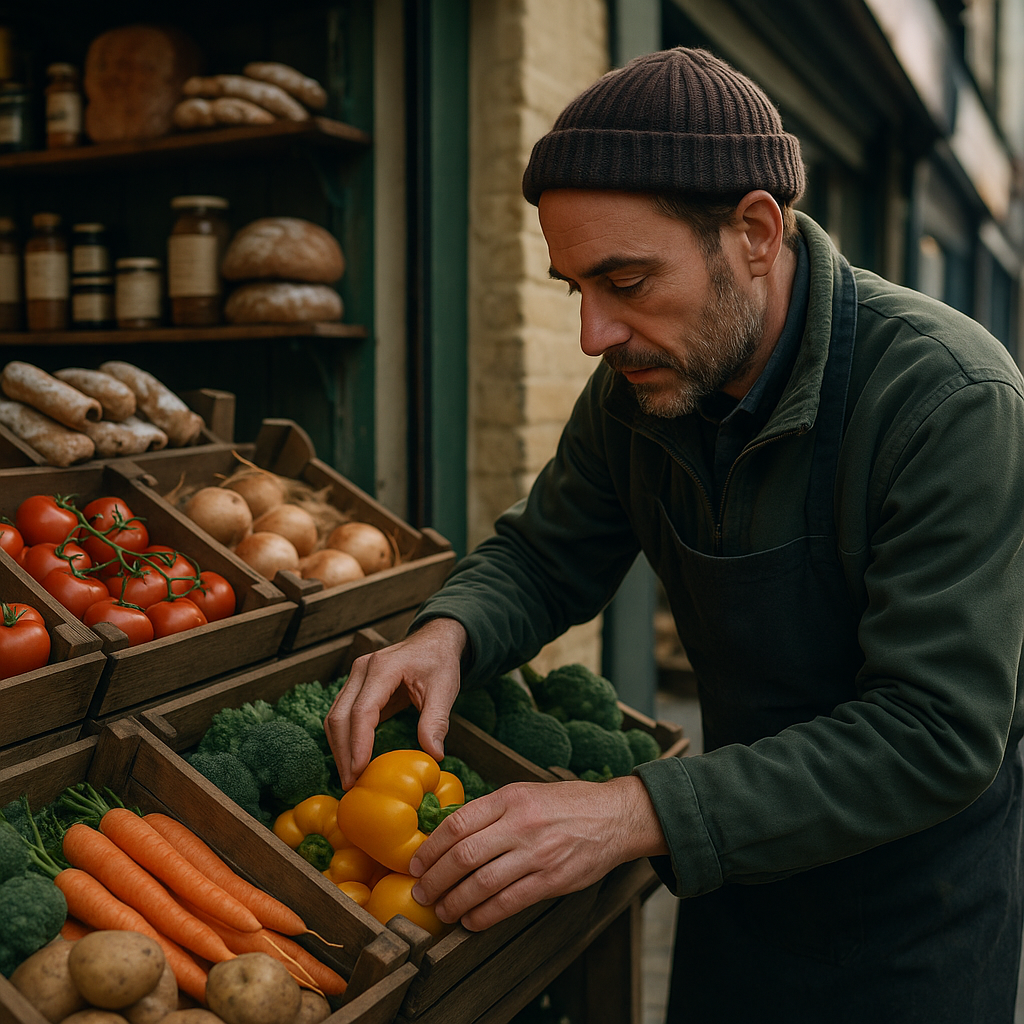
In Leeds, the Kirkgate Market has seen footfall increase by more than 20 per cent over the past two years following a significant programme of events and evening trading. Manchester’s Northern Quarter, long a model for independent-led regeneration, continues to attract visitors who would never step foot in a conventional shopping centre. Even smaller market towns are getting in on it. Shrewsbury, Frome, and Hebden Bridge have all built reputations around artisan producers, independent cafés, and community-driven events that generate genuine loyalty among visitors.
Technology’s Quietly Transformative Role
Here is where the story gets more nuanced. The technology sector, long cast as the villain in the high street’s decline, is increasingly part of the solution. Not in a disruptive, Silicon-Valley-fantasy kind of way, but in practical, grounded terms.
Local discovery tools have become important here. Shoppers who want to find out what is on in their local town centre, which independent businesses are trading, or whether a market is running this Saturday increasingly reach for their mobiles before they bother getting off the sofa. Platforms that aggregate that information locally, such as a well-built town centre app, give independent traders and councils alike a way to reach residents who would otherwise default to the path of least resistance and order online.
Beyond discovery, smart payment infrastructure, loyalty schemes designed around local spending, and data-driven footfall analysis are giving councils far better tools to understand what is actually working. Cheltenham Borough Council, for instance, has invested in footfall sensors that feed real-time data to traders, helping them make decisions about opening hours and staffing that were previously based on pure guesswork.
The Planning Reform Question
No honest discussion of high street reinvention is complete without acknowledging the role of planning. The previous system, with its rigid use-class designations, made converting a former bank into a restaurant or a gym into a nursery a bureaucratic ordeal. The reforms introduced in recent years, which created a more flexible permitted development framework, have genuinely helped. Conversions that once required months of wrangling can now proceed in weeks.
There is, however, a legitimate concern that permitted development rights, without sufficient oversight, can lead to poor-quality residential conversions that worsen a town centre rather than improve it. The communities that have benefited most are those where local planning authorities have been proactive, setting clear visions for what they want their town centres to become and using compulsory purchase powers where necessary to tackle long-term vacant properties owned by absentee landlords.
Which Towns Are Getting It Right?
Casting an eye across Britain, certain places stand out. Margate is the most discussed example of genuine high street reinvention, transformed from a post-industrial seaside town into a destination for galleries, independent restaurants, and creative businesses. It did not happen quickly, and it was not painless, but the formula, anchor cultural investment combined with affordable commercial rents and genuine community involvement, has proved replicable elsewhere.
Stockport has attracted considerable attention for its Merseyway Shopping Centre transformation, which blends leisure, food, and retail in a way that feels genuinely contemporary rather than desperately trendy. Harrogate, already well-positioned, has doubled down on its independent offer. Even Grimsby, long written off, has seen investment in its town centre waterfront that is beginning to bring visitors back.
Is the High Street Reinvention Sustainable?
The honest answer is: it depends. Towns that are benefiting from genuine demographic shift, strong transport links, or an anchor cultural institution are in a far stronger position than those relying solely on footfall events or the goodwill of a single major employer. The high street reinvention, where it is working, is not a campaign. It is a structural change in how town centres are used, governed, and funded.
The risk is that short-term funding cycles, political short-termism, and a reluctance among major landlords to accept lower rental yields create a ceiling that the best ideas cannot break through. Government levelling-up funding has helped specific towns, but the money is not evenly distributed and it runs out.
What seems clear, though, is that the model of the high street as an undifferentiated retail corridor is finished. The towns that are thriving have accepted this and moved on. The ones still hoping that a new anchor store will reverse the tide are waiting for something that is not coming back. Britain’s high streets have always been resilient; they are just resilient in different ways now. The reinvention is real. Whether it reaches everywhere is the question that will define the next decade of British town life.
Frequently Asked Questions
Why are so many British high streets still struggling in 2026?
A combination of factors continues to weigh on many town centres, including high commercial rents, rising business rates, competition from online retail, and years of underinvestment in public space and transport links. Towns that have struggled most tend to lack a clear identity or a mix of uses beyond retail.
What is replacing traditional retail on Britain's high streets?
Food and hospitality, leisure and fitness, healthcare services, co-working spaces, and cultural venues are filling many of the units vacated by retail chains. The shift reflects a broader move towards town centres as destinations for experience rather than pure shopping.
Which UK towns have most successfully reinvented their high streets?
Margate, Frome, Hebden Bridge, and Stockport are frequently cited as strong examples. Each has taken a different route, ranging from cultural investment to independent retail clusters, but all share a willingness to move beyond the traditional retail-led model.
How is technology helping high streets recover?
Local discovery platforms, footfall analytics, contactless payment systems, and digital loyalty schemes are giving independent traders and councils better tools to attract and retain visitors. Technology that helps local people find out what is happening in their town centre is particularly valuable for driving footfall.
What can local councils do to support high street reinvention?
Councils can use compulsory purchase powers to address long-term vacant properties, provide flexible planning frameworks to enable rapid conversion of empty units, invest in public realm improvements, and support events and markets that generate regular footfall. Clear long-term vision is widely considered the most important factor.