
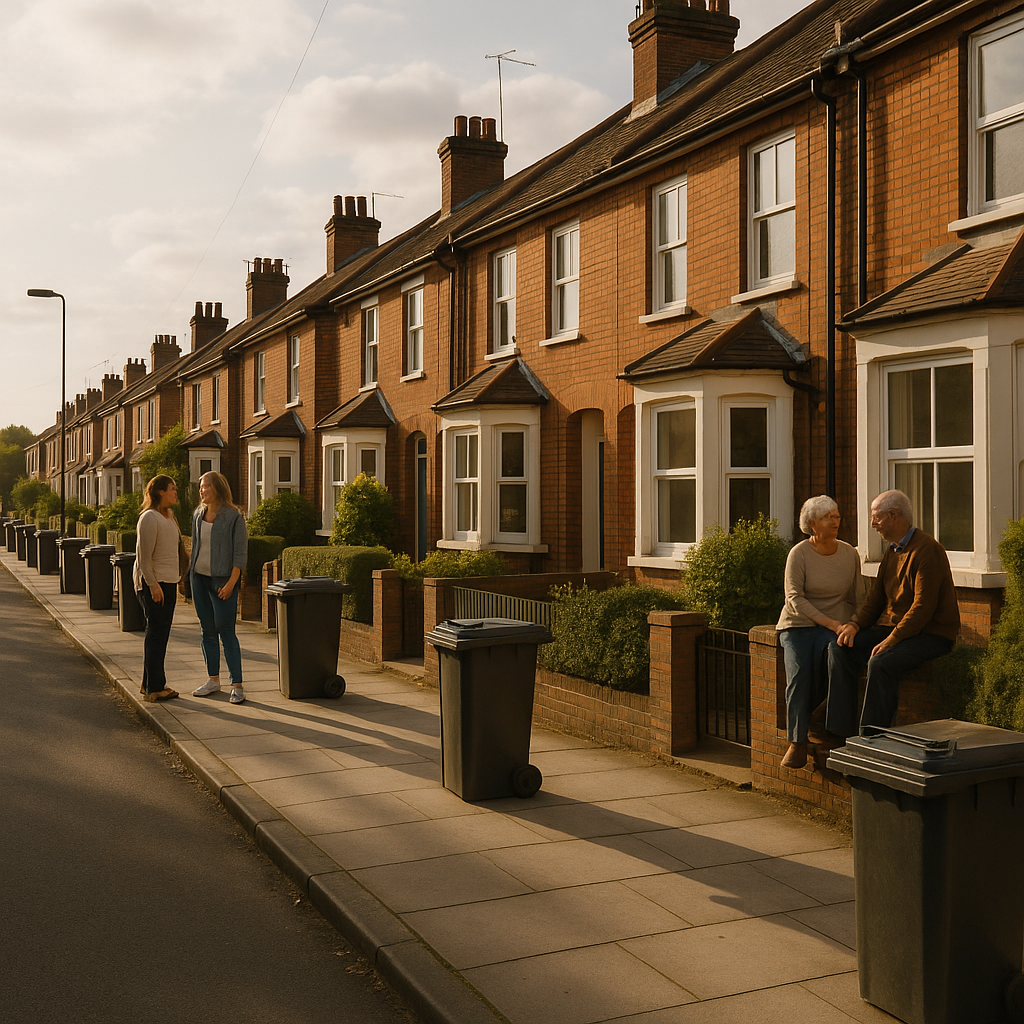
Kerbside hygiene is quietly becoming one of the defining quality-of-life issues in British neighbourhoods. Once an afterthought, the state of our pavements, bins and communal spaces now sits alongside schools and transport as a key factor in how people judge an area. From tighter local regulations to new specialist services, the humble kerb has moved centre stage.
Why kerbside hygiene suddenly matters so much
Several trends have converged to put kerbside hygiene under the spotlight. First, the rise of dense urban living means more households sharing limited outdoor space. Overflowing bins, food waste and litter are more visible and more keenly felt. Second, the growth in home deliveries has dramatically increased packaging waste, putting pressure on recycling systems and collection schedules.
There is also a cultural shift. Post-pandemic, people are more attuned to cleanliness and odours. Streets that smell fresh and look orderly are no longer a pleasant bonus but an expectation. Estate agents quietly report that prospective buyers now pay close attention to bin stores, alleyways and pavements, sensing that kerbside hygiene is a proxy for how well an area is managed.
How councils are tightening the rules
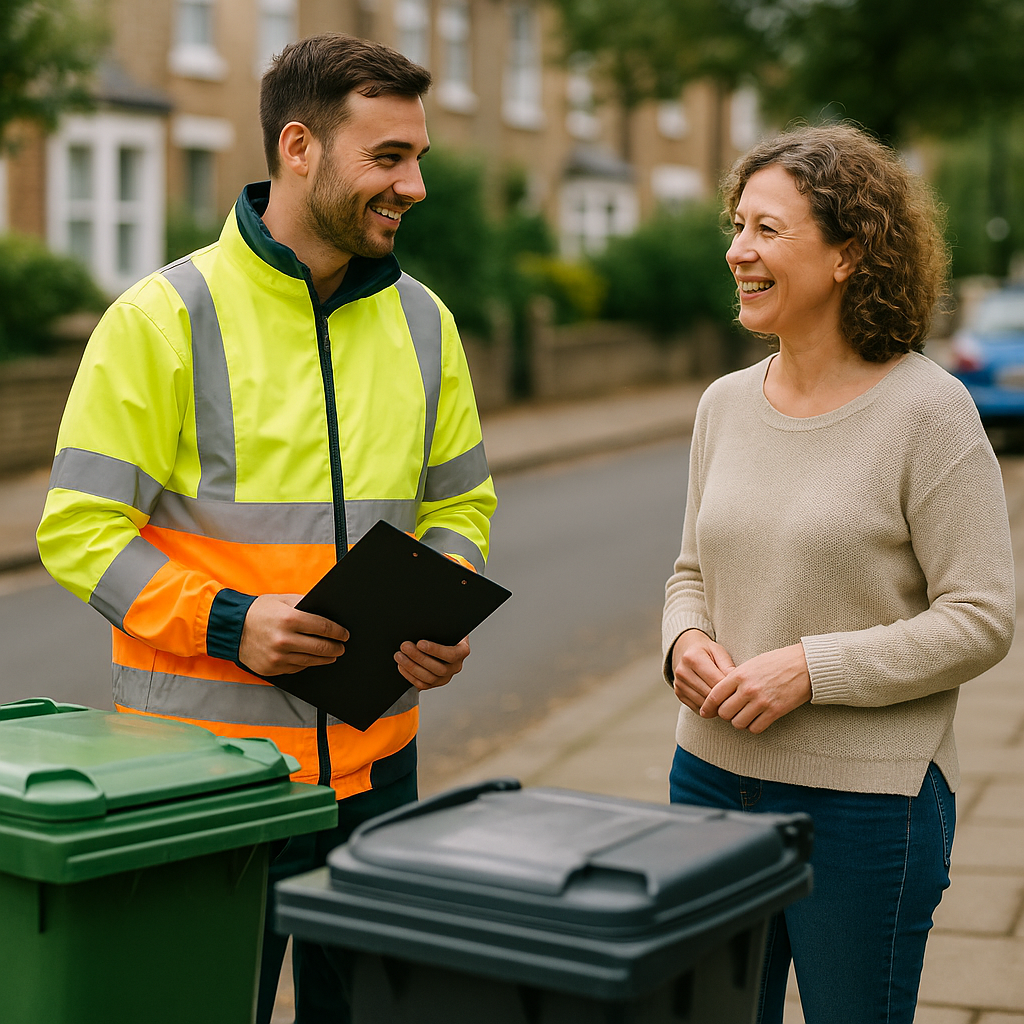
Local authorities have responded with a patchwork of new rules and enforcement measures aimed at improving kerbside hygiene. These typically focus on when bins can be put out, how waste should be sorted and what counts as contamination in recycling.
Some councils have introduced fines for persistent offenders who leave rubbish out on the wrong days or allow bags to split and spill onto pavements. Others are experimenting with smaller, more frequent collections to reduce the build-up of odours in hot weather. Public reporting apps, allowing residents to log fly-tipping or overflowing street bins, are increasingly common.
While critics argue that enforcement can feel heavy-handed, supporters point out that clear rules and visible consequences are often the only way to raise standards consistently across a borough.
The rise of professional kerbside hygiene services
As expectations climb, many households are turning to specialist companies to help keep communal areas fresh. What began as niche services for large apartment blocks have now filtered down to ordinary streets and suburban estates.
These businesses tackle the unglamorous but essential jobs that fall between council responsibilities and individual household chores. Regular cleaning of outdoor bins, disinfecting shared paths and treating problem odours are all in growing demand. In some areas, neighbours club together to secure discounted group rates, treating kerbside hygiene as a collective investment in the street’s reputation.
For example, residents who want to go beyond what their local authority offers can now book dedicated wheelie bin cleaning as part of a broader push to keep their frontage pristine.
Health, pests and the science of a clean frontage
these solutions is not only about appearances. Poorly managed waste can attract rats, foxes and seagulls, turning a quiet street into a nightly feeding ground. In warm weather, food residues and liquids left in containers can quickly become a breeding site for flies and maggots.
Public health specialists emphasise that small, regular interventions are far more effective than occasional blitzes. Rinsing recyclables, keeping bin lids fully closed and promptly dealing with spills all help break the cycle that attracts pests. Where professional cleaning is used, the combination of heat, detergent and disinfection can significantly reduce bacteria and lingering smells.
these solutions and neighbourhood pride
Perhaps the most interesting shift is psychological. Streets that maintain high standards of these solutions tend to see other positive behaviours follow. Residents are less likely to drop litter on a spotless pavement. Newcomers quickly understand that this is an area where people notice and care.
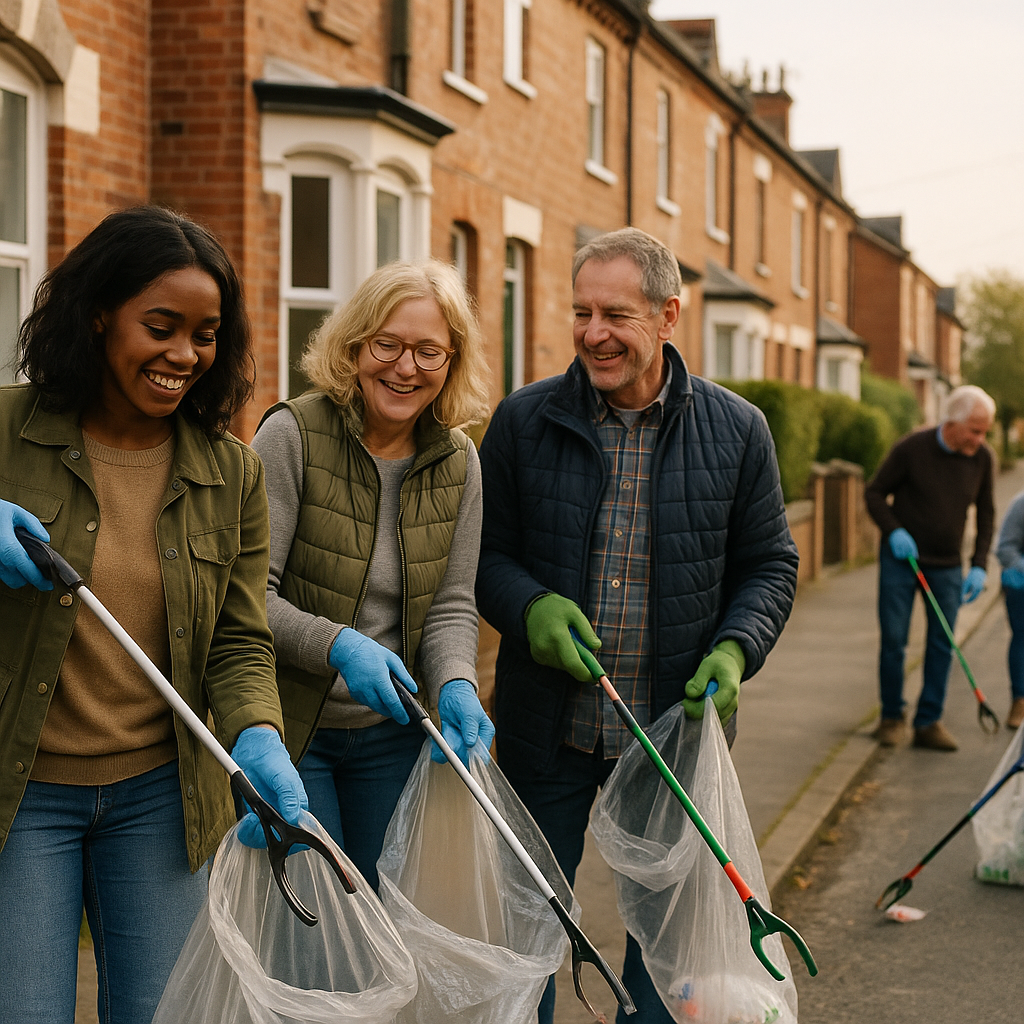
Community groups have seized on this, organising regular clean-up days and working with councils to improve signage and bin placement. Social media groups for local areas are full of before-and-after photos, with residents sharing tips on how to keep frontages tidy and praising neighbours who go the extra mile.
Kerbside hygiene FAQs
What simple steps can households take to improve kerbside cleanliness?
Small habits make a disproportionate difference. Rinse food containers before recycling, double-bag particularly messy waste, and ensure bin lids close fully. Put bins out as close to collection time as is practical, rather than leaving them on the pavement for days. Wiping down handles and lids occasionally, and sweeping or hosing the area where bins sit, helps prevent smells and staining from building up.
Can neighbours work together to raise standards on their street?
Yes, informal collaboration is often the fastest way to improve a street’s appearance. Neighbours can agree on where bins should be stored, share information about collection days and bulky waste arrangements, and organise occasional tidy-up sessions. Some streets also negotiate group rates with professional cleaning services, which can make regular maintenance more affordable and encourage everyone to participate.
How do councils typically respond to persistent waste and odour problems?
Most councils prefer education first, using leaflets, online guidance and direct contact to explain rules around waste presentation and recycling. If problems persist, they may issue warnings or, in more serious cases, fines. In some areas, officers will visit to advise on bin storage, adjust collection points or recommend changes to how waste is sorted. Where structural issues are identified, such as inadequate bin capacity for a block of flats, councils may review container sizes or collection frequency.