

With energy prices still unpredictable and climate targets tightening, many homeowners are asking whether low carbon heating systems are genuinely worth the investment. Beyond the buzzwords, it comes down to three big questions: comfort, running costs and how future proof your home really is.

What are low carbon heating systems?
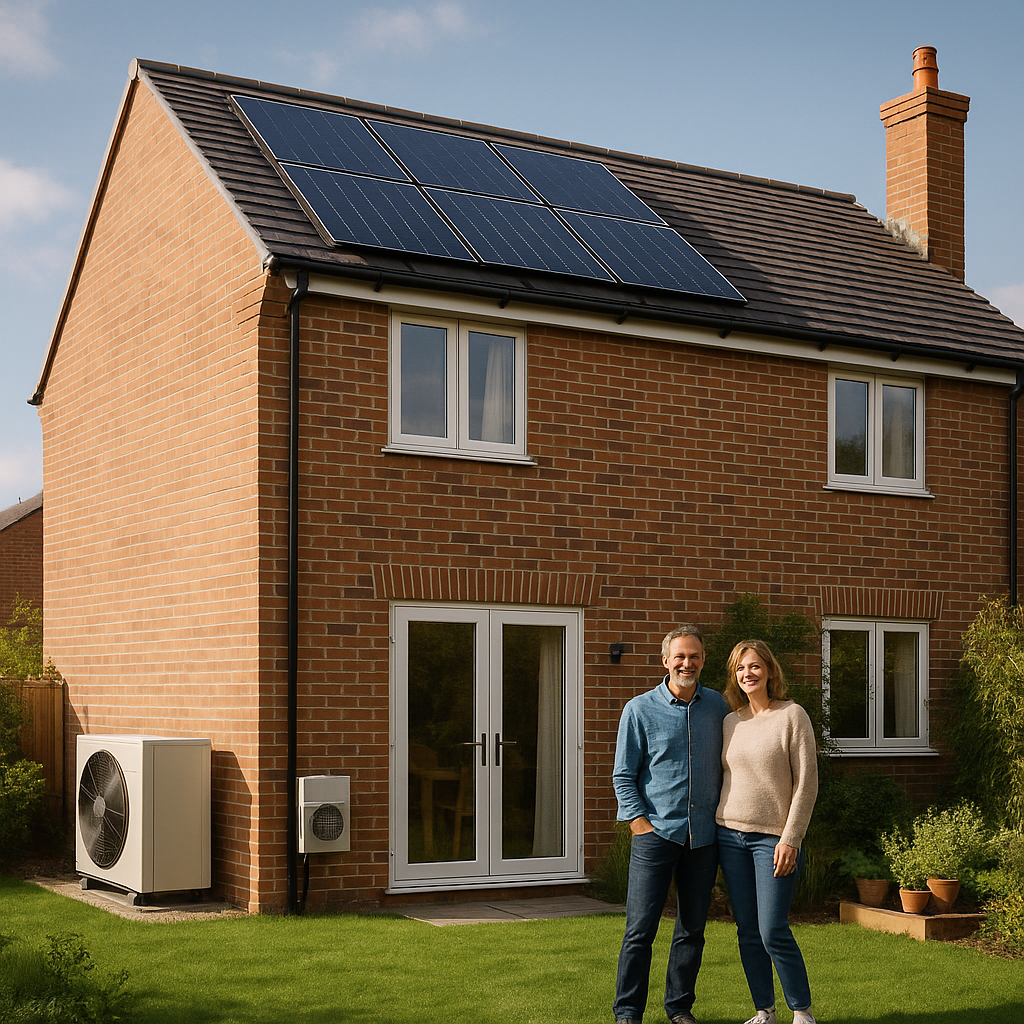
Low carbon heating systems are technologies that produce far fewer greenhouse gas emissions than traditional gas or oil boilers. They typically use electricity more efficiently, tap into renewable sources, or burn cleaner fuels. Common examples include heat pumps, biomass boilers, solar thermal panels and hybrid systems that combine more than one technology.
Instead of simply burning a fossil fuel to create heat, these systems either move existing heat from one place to another or capture free energy from the sun. The result is less carbon released into the atmosphere for every unit of heat delivered to your radiators, underfloor heating or hot water cylinder.
Why low carbon heating systems are gaining momentum
There are several reasons why interest in low carbon heating systems has surged in recent years. The first is cost. While wholesale energy prices may fluctuate, the long term trend is clear: inefficient homes with old boilers are becoming more expensive to run. Modern systems are designed to squeeze more heat out of every unit of electricity or fuel, which can significantly reduce your bills when paired with good insulation.
The second driver is policy. The UK has committed to reaching net zero, and that means phasing down fossil fuel heating. New build standards are tightening, and there is growing talk of future rules for existing homes. Installing a cleaner system now can help you stay ahead of regulation and make your property more attractive to future buyers.
Finally, there is comfort and control. Modern controls, smart thermostats and weather compensation can keep your home at a more stable, pleasant temperature, instead of the peaks and troughs that many people associate with older boilers.
Choosing the right low carbon heating system for your home
Not every home is suited to every technology, so it is important to match the system to your property and lifestyle. For example, well insulated homes with space for a hot water cylinder often work well with heat pumps. Rural properties with access to sustainable wood fuel may consider biomass, while homes with good roof orientation might benefit from solar thermal panels to pre heat hot water.
Many households are also looking at hybrid solutions that combine a low carbon system with an existing boiler, allowing them to run on the cleanest, most efficient option most of the time while keeping backup for the coldest days. Professional advice and detailed heat loss calculations are essential, rather than relying on rough estimates.
If you are exploring heat pump technology, it is worth understanding how air source heat pumps differ from other options and what they require in terms of space, radiators and electrical capacity.
Costs, incentives and payback
One of the biggest concerns around low carbon heating systems is upfront cost. Installation can be higher than a like for like boiler swap, particularly if you need to upgrade radiators, pipework or insulation at the same time. However, there are a few important points to keep in mind.
First, many homes are eligible for grants or low interest finance that can significantly reduce the initial outlay. Government schemes change over time, so it is wise to check the latest support available before you make a decision. Second, running cost savings can be substantial in the medium to long term, especially as equipment efficiency improves and more low cost renewable electricity comes onto the grid.
Instead of focusing only on payback years, it can help to think in terms of total cost of ownership over the life of the system, including fuel, maintenance and likely energy price trends. For many households, the numbers look more favourable when viewed over a 10 to 15 year period.

Low carbon heating systems FAQs
Do I need to upgrade my insulation before changing my heating system?
It is strongly recommended to tackle insulation and draft proofing before or alongside a heating upgrade. A well insulated home needs less energy to stay warm, which means any new system can be smaller, cheaper to run and more comfortable in day to day use. Improving loft insulation, wall insulation where practical, and sealing obvious drafts will often deliver some of the fastest paybacks.
Will a modern heating system work with my existing radiators?
It depends on the size and output of your current radiators and the temperatures the new system is designed to run at. Some modern systems operate most efficiently at lower flow temperatures, which may require larger radiators or underfloor heating to deliver the same comfort. A proper heat loss survey and radiator assessment will show whether you can keep what you have, need selective upgrades, or should plan a more comprehensive change.
How long do low carbon heating systems typically last?
Most low carbon heating systems are designed with a lifespan of around 15 to 20 years, although this varies by technology, brand and how well the system is maintained. Regular servicing, correct system design and good water quality in your heating circuit can all extend the life of the equipment. When comparing options, it is wise to look at warranties, availability of spare parts and the installer’s aftercare as well as the initial price.
Leave a Reply