

Something rather extraordinary has happened to British food. Quietly, then all at once, this country has ceased to be the punchline of European culinary jokes and become, quite genuinely, one of the most exciting places on earth to eat. The best fine dining UK 2026 has produced is not just technically accomplished; it is culturally specific, intellectually rigorous, and in several cases, genuinely moving. Chefs are no longer looking to Paris or Copenhagen for permission to be great. They are looking at the Somerset Levels, the Orkney coastline, and the allotments of South London.
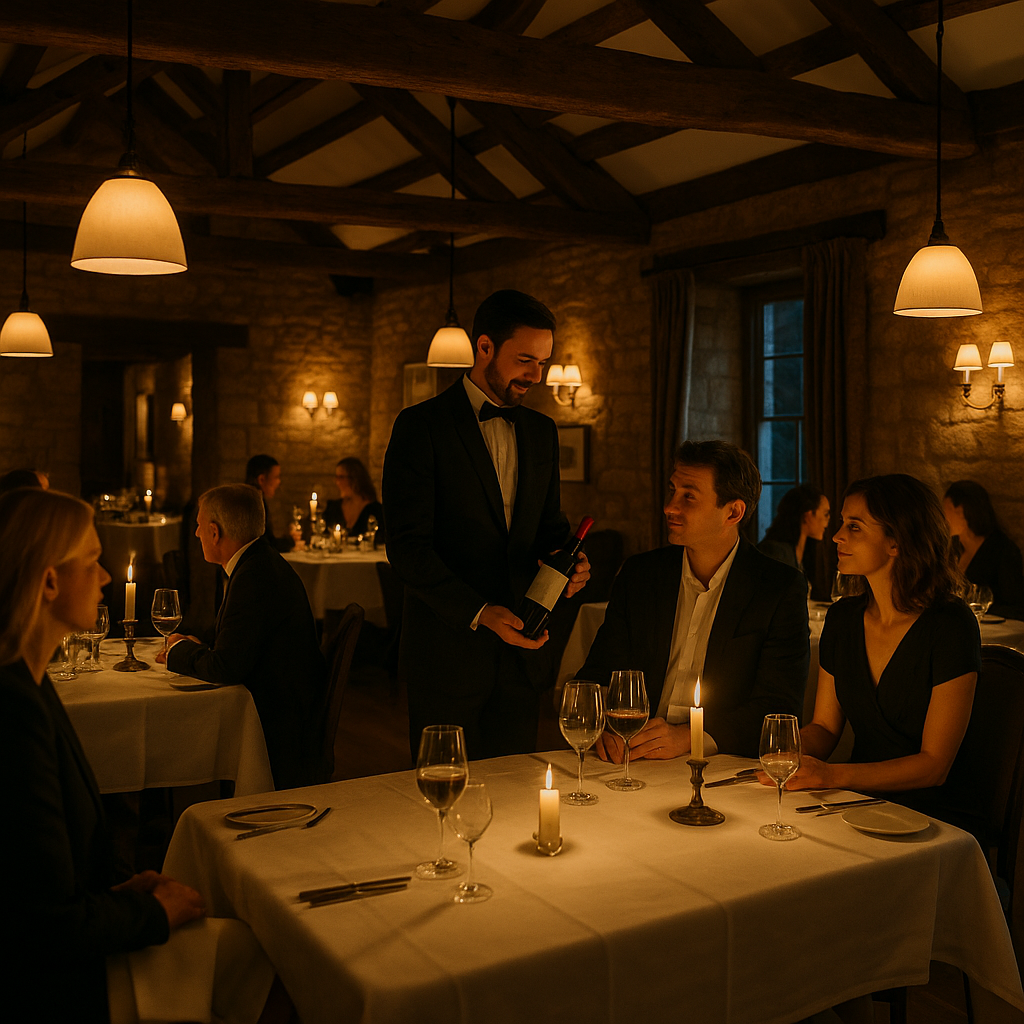
This is not a moment built overnight. It is the product of a generation of British cooks who trained in the world’s great kitchens, absorbed every lesson available, and then came home with something to prove. The results, in 2026, are spectacular.
Why British Fine Dining Is Having Its Defining Moment
Context matters here. For years, the Michelin Guide treated London as its British outpost and largely ignored the rest. That geography of prestige has cracked open. The 2026 Michelin Great Britain and Ireland guide awarded new stars in Belfast, Bristol, Edinburgh, and rural Wales, signalling that the finest eating in this country is no longer corralled within the M25. Restaurants such as Osip in Bruton, Somerset, and The Ledbury in Notting Hill represent two entirely different expressions of brilliance, and both are full weeks in advance.
There is also a philosophical shift at work. The old fine dining contract, white tablecloths, French technique, imperious service, three-figure bills with nothing to actually remember, has been largely dissolved. In its place, a new kind of seriousness has emerged. These restaurants are intensely considered, but they are also warm, curious, and rooted in a particular place. They want you to understand where the food comes from, not as a marketing exercise, but because provenance is now the point.
Hyper-Local Tasting Menus: The Movement Reshaping the Table
The most consequential culinary movement in Britain right now is the hyper-local tasting menu. The logic is elegant: take a defined geography, build every element of a meal from within it, and see what that landscape actually tastes like when rendered with skill. At its worst, this produces worthy plates of foraged foam and artisanal pretension. At its best, as at L’Enclume in Cartmel, Cumbria, it produces food of startling depth and originality.
Simon Rogan’s operation at L’Enclume, which holds two Michelin stars and regularly features on the World’s 50 Best Restaurants list, is the benchmark against which every other hyper-local project is measured. The kitchen draws from a 12-acre farm less than a mile away. The menu changes not seasonally but almost weekly, in response to what is actually growing. This is not a gimmick; it is a philosophy, and it has spawned imitators and admirers from Penzance to Perth.
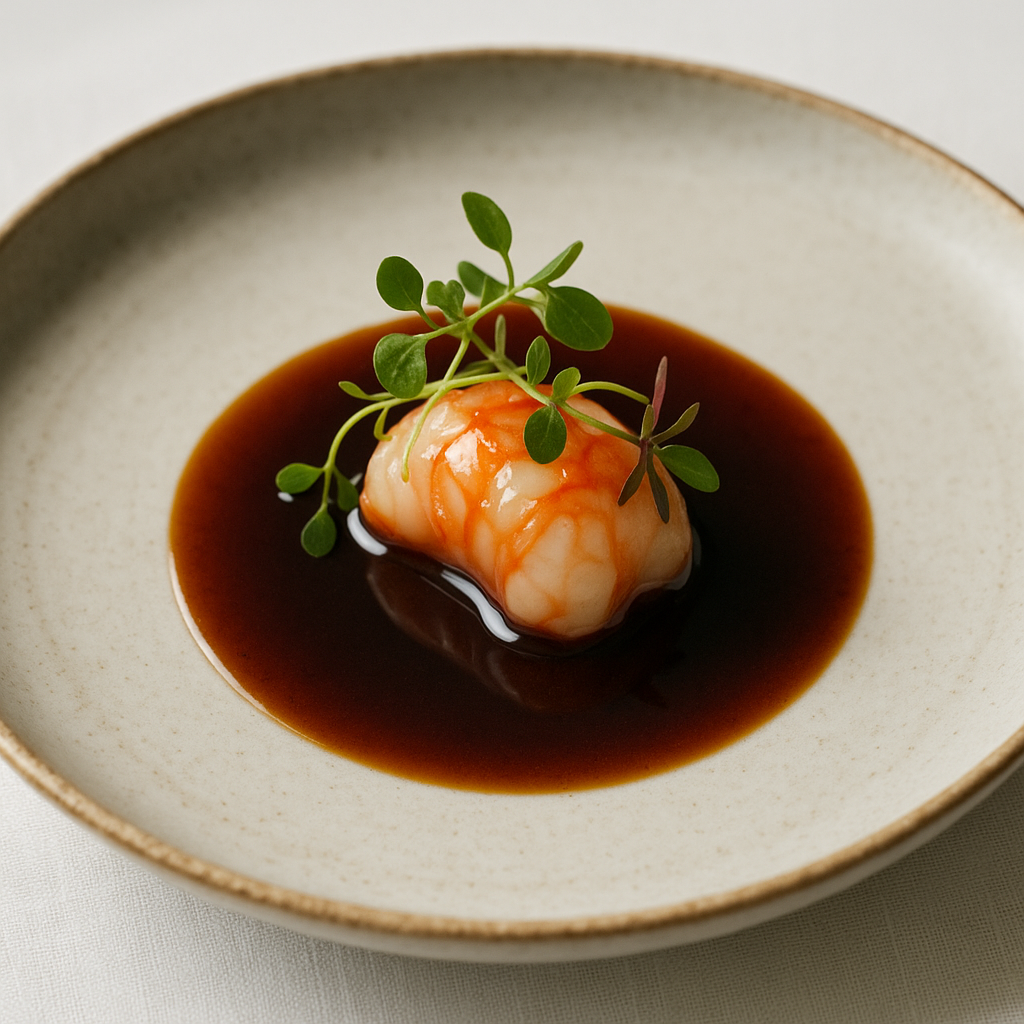
Further north, Edinburgh has quietly become a serious fine dining city. The Kitchin on Leith’s waterfront, driven by Tom Kitchin’s relentless focus on Scottish produce, and the newer Condita in Newington, where the tasting menu changes with near-obsessive frequency, represent a city that has stopped being a heritage attraction and started being a culinary destination. A weekend in Edinburgh built around two or three restaurants of this calibre is, frankly, one of the most rewarding things a person can do with a long weekend in Britain.
The Michelin Stars Shaking Up the Establishment
The Michelin Guide, for all its occasional conservatism, has been doing something interesting in 2026: rewarding restaurants that do not look like traditional Michelin restaurants. Brat in Shoreditch, built around a Basque-influenced wood-fired hearth, Cornerstone in Hackney Wick, where Tom Brown’s hyper-focused seafood menu continues to astonish, and Core by Clare Smyth in Notting Hill, where British produce is treated with the kind of reverence once reserved exclusively for Gallic ingredients, all speak to a guide learning to recognise excellence in new registers.
Clare Smyth’s work deserves particular attention. As the first and, for a long time, only British woman to hold three Michelin stars as a chef-patron in the UK, her influence on a generation of younger cooks is difficult to overstate. Dishes like her signature Potato and Roe, a meditation on the most humble of British staples elevated to something genuinely profound, have entered the canon of modern British cooking.
Outside London, the story is just as compelling. Mana in Manchester held its star and continued to draw serious food travellers from across Europe. In Wales, Ynyshir, the eccentric and brilliant project helmed by Gareth Ward in Machynlleth, has developed a cult following that extends well beyond Wales itself. Ward’s cooking is theatrical, intense, and Japanese-inflected whilst remaining stubbornly Welsh in its sourcing. It is singular in the best possible sense.
The Chefs Defining British Gastronomy Right Now
Any serious reckoning with the best fine dining UK 2026 has produced requires acknowledging the chefs making it happen. Beyond the established names, a cohort of younger cooks is pushing the conversation in genuinely new directions.
Chantelle Nicholson at Apricity in London’s Mayfair has built a restaurant around radical sustainability without ever allowing sustainability to become the dish. The food is first; the ethics are structural. It is a model that others are watching closely. Meanwhile, Ravinder Bhogal at Jikoni in Marylebone continues to explore the intersection of British and South Asian culinary histories with a lightness and wit that most of her contemporaries would envy.
These are not chefs cooking to trend. They are cooking from conviction, and the public, increasingly sophisticated and increasingly willing to travel for a great meal, is following them. According to VisitBritain research, food and drink experiences are now cited as a primary motivator for domestic tourism, a shift that has profound implications for where investment in hospitality flows next.
What This Means for Anyone Who Cares About Eating Well
The practical upshot of all this is simple and rather joyful: Britain has never been a better place to eat at the highest level. The country now has credible fine dining options not just in its capital but in small market towns, on rural peninsulas, in post-industrial cities undergoing genuine cultural reinvention. The range is extraordinary. You can eat a twelve-course tasting menu in a converted barn in the Lake District, a pristine six-course seafood menu in a Cornish fishing village, or a twenty-course omakase-influenced dinner in a Manchester back street, and each will reward the journey.
The old hierarchy, London at the top, everywhere else striving and falling short, has been replaced by something more interesting: a genuinely distributed landscape of excellence, each expression of it rooted in its own place and its own logic. That, more than any single restaurant or chef or Michelin decision, is what makes British gastronomy worth celebrating in 2026. The golden age, it turns out, is not a memory. It is happening right now.
Frequently Asked Questions
What are the best fine dining restaurants in the UK in 2026?
The standout names include L’Enclume in Cartmel, Core by Clare Smyth in London, Ynyshir in Wales, Mana in Manchester, and Brat in Shoreditch. Each offers a distinct approach, from hyper-local tasting menus to wood-fired cooking, and all are considered among the finest tables in the country.
How much does a Michelin-starred tasting menu typically cost in the UK?
Prices vary considerably, but expect to pay between £120 and £350 per person for food alone at a two or three Michelin-starred restaurant in 2026. Wine pairings, which are optional but often exceptional, can add a further £80 to £200. London venues tend to sit at the higher end; regional restaurants often offer comparable quality at notably lower prices.
Are there any world-class fine dining options outside London?
Absolutely. Some of the most celebrated restaurants in Britain are now located far outside the capital. L’Enclume in Cumbria, Ynyshir in Machynlleth, The Kitchin in Edinburgh, and Mana in Manchester are all considered destination restaurants worth travelling significant distances to visit.
What is a hyper-local tasting menu and why is it so popular right now?
A hyper-local tasting menu is built almost entirely from ingredients sourced within a tightly defined geographical area, often within a few miles of the restaurant itself. The appeal lies in its honesty and specificity; the food genuinely tastes of its place, and the menus change with the seasons rather than following a fixed template. It has become the defining format of serious British restaurants in the mid-2020s.
How do I get a reservation at a top UK fine dining restaurant?
Most celebrated restaurants release tables online, typically via their own booking systems or platforms such as Resy or OpenTable, and demand far outstrips supply. Signing up to mailing lists, booking several weeks or months in advance, and checking for last-minute cancellations are the standard strategies. Some restaurants, including L’Enclume, operate their own booking system exclusively through their website.
Leave a Reply