
Author: Roberto Bernardi

  • The Quiet Revolution In Household Waste Management

    The Quiet Revolution In Household Waste Management

    Once considered a mundane chore, household waste management is undergoing a quiet but profound transformation. From smart bins to data driven collections, the way we deal with rubbish at home is becoming a key indicator of how modern, liveable and sustainable our communities really are.
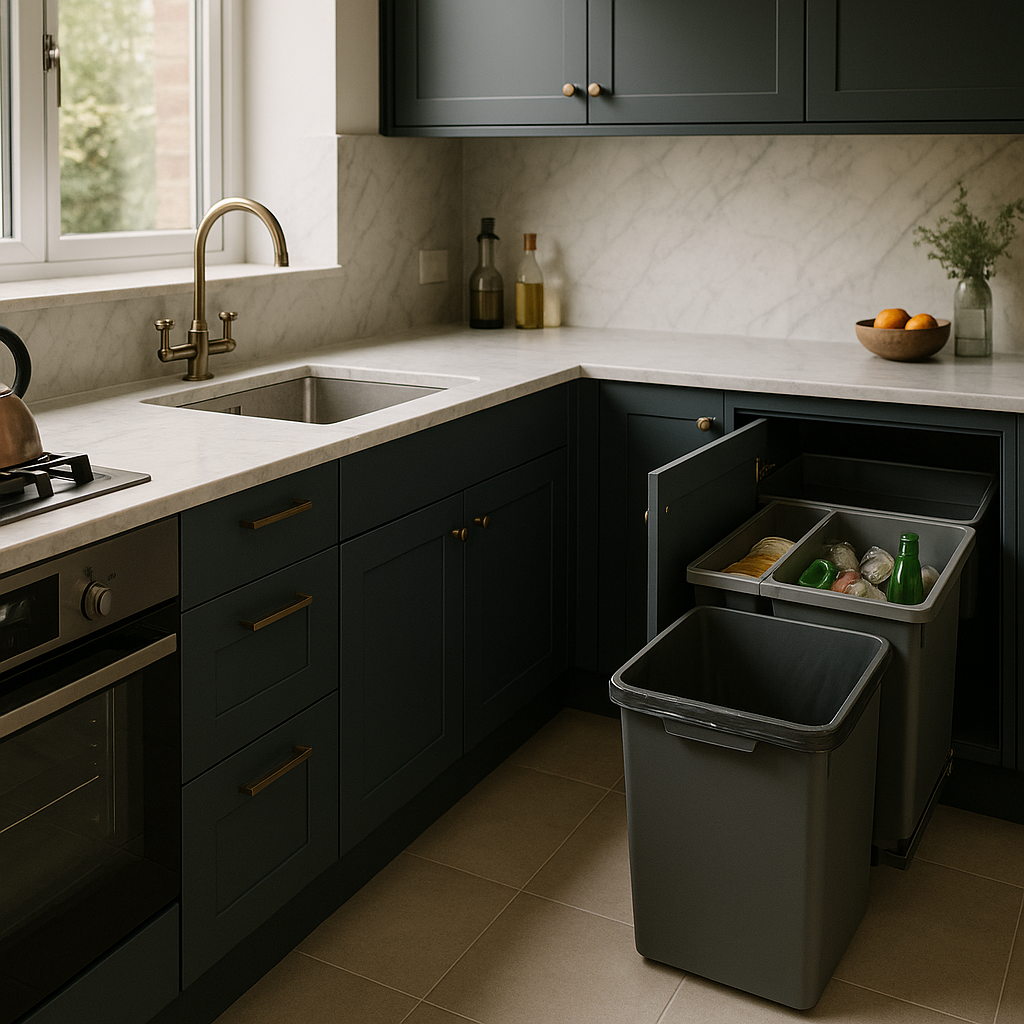
    Why household waste management suddenly matters

    Several forces have converged to push household waste to the top of the agenda. Urban populations are growing, packaging is proliferating and local authorities are under pressure to cut both emissions and costs. At the same time, consumers are more conscious than ever of what they throw away, especially when it comes to plastics and food waste.

    This shift is not only environmental. Efficient household waste management also affects how pleasant our streets feel, how hygienic our kitchens are and how much time we spend wrestling with overflowing bins and confusing recycling rules. In short, waste has become a quality of life issue.

    From black bags to data: the new era of household waste management

    The most striking change is the move from a simple weekly collection to a more nuanced, data informed approach. Smart sensors on communal bins, route optimisation for collection lorries and weight based charging trials are all reshaping how councils understand and manage domestic rubbish.

    In many areas, food waste caddies, glass boxes and garden waste schemes have joined the traditional general and recycling bins, creating a small ecosystem of containers at every doorstep. This fragmentation can feel confusing, but it also reflects a more sophisticated understanding of what waste actually is: a series of distinct material streams, each with its own value and environmental cost.

    Designing a home around modern waste habits

    Inside the home, kitchen design is adapting. Discreet, compartmentalised bin systems are becoming standard in new builds and renovations, integrating recycling, food waste and general waste without compromising on aesthetics. Interior designers now think as carefully about bin placement as they do about appliances or lighting.

    Brands that specialise in robust, compartmentalised bin solutions, such as The Bin Boss, have capitalised on this shift by treating waste storage as a design problem rather than an afterthought. The result is a new generation of products that blend durability, hygiene and visual restraint, making it easier to stick to good habits day after day.

    The psychology of our bins

    Behavioural science plays a subtle but important role. People are more likely to recycle correctly when the process is frictionless and visually intuitive. Clear labelling, colour coding and proximity to where waste is generated all make a difference.

    Small tweaks can have outsized effects: placing a food caddy directly beside the chopping board, keeping a paper recycling basket in the home office, or using slimline bins that physically limit how much general waste can accumulate before it must be taken out. Thoughtful household waste management is as much about human behaviour as it is about infrastructure.

    Food waste: the next frontier

    Food waste has become a particular focus. Separate food collections are increasingly common, and some households are experimenting with countertop composters or community compost schemes. Apps that track expiry dates and suggest recipes based on what is in the fridge aim to prevent waste before it happens.

    For city dwellers without gardens, the challenge is finding solutions that are compact, odour controlled and easy to clean. Here, the design of caddies, liners and ventilation systems becomes critical, turning a potential nuisance into a manageable routine.

    What households can do now

    For most homes, improving household waste management does not require radical change, just deliberate choices. Start by mapping where waste is generated in your home, then match containers to those locations. Ensure labels are clear enough that guests can use your system without asking.

    Next, review your local collection rules and align your set up accordingly. That might mean adding a glass container, separating soft plastics for supermarket drop offs or adjusting how you deal with garden clippings. Finally, audit your purchasing: the most elegant waste system is one that has less to process in the first place, thanks to refillable products, bulk buying and packaging conscious choices.


    UK residential street with organised kerbside bins illustrating household waste management systems
    Person sorting kitchen recycling as part of thoughtful household waste management at home

    Household waste management FAQs

    How can I improve household waste management in a small flat?

    Focus on vertical storage and compartmentalised bins that separate recycling, food and general waste without taking up floor space. Use slimline containers inside cupboards, keep a small food caddy close to where you cook and make use of local drop off points for items like soft plastics or batteries. The aim is to make the right choice the easiest, most convenient option.

    What is the most effective way to reduce food waste at home?

    Plan meals around what you already have, store food correctly and use your freezer strategically. Keeping a visible list of items that need using up, cooking in batches and learning a few flexible recipes for leftovers can dramatically cut what ends up in the bin. Separate food collections or composting should be a last resort for unavoidable scraps, not a licence to overbuy.

    Do smart bins really make a difference to household waste management?

    Smart bins can help by nudging better habits, tracking how often you empty them or reminding you of collection days. However, their real impact depends on how they are used. They work best as part of a broader approach that includes clear labelling, thoughtful placement in the home and an understanding of local recycling rules, rather than as a standalone gadget.


  • UK Rental Price Trends: What Tenants Need To Know Now

    UK Rental Price Trends: What Tenants Need To Know Now

    Few subjects provoke quite as much quiet anxiety as UK rental price trends. For millions of households, the monthly rent is now their single largest outgoing, and the direction of travel has been relentlessly upwards. Yet beneath the headline figures, the picture is more nuanced, with sharp variations between cities, regional markets and even neighbouring postcodes.

    What is happening to UK rental price trends?

    Across the country, the broad pattern is clear: rents have risen significantly over recent years, particularly in major urban centres. London, Manchester, Bristol and Edinburgh have all seen double digit increases, with competition for well located properties remaining intense. In many city neighbourhoods, there are still far more prospective tenants than available homes, which inevitably pushes prices higher.

    However, early signs of cooling are emerging in some areas. Inner London flats that surged in price during the post lockdown rebound are now sitting on the market a little longer, and landlords are sometimes trimming asking rents to secure reliable occupants. In several regional towns, especially those that saw speculative investor interest, rental growth has slowed to a crawl or plateaued entirely.

    Why costs are rising in so many cities

    Several forces are converging to drive rents higher in the UK's most in demand urban centres. The most fundamental is a chronic shortage of homes. New building has consistently lagged behind household formation, particularly in places with strong jobs markets and thriving universities. When more people chase fewer properties, landlords are in a stronger position to raise prices.

    At the same time, the cost base for many landlords has risen sharply. Higher mortgage rates mean buy to let investors with variable or expiring fixed deals are facing substantially larger monthly payments. Some are choosing to exit the market altogether, reducing supply further, while others are seeking to pass the additional cost on to tenants through rent increases.

    Energy efficiency requirements, licensing schemes and safety regulations, although important for standards, can also mean extra expenditure on upgrades and compliance. For smaller landlords in particular, those outlays are often recouped via higher rents. The cumulative effect is visible in UK rental price trends in big cities, where the combination of limited stock and rising costs has created a perfect storm.

    Regions that are bucking the trend

    Not every part of the country is marching in lockstep. Some regions are now quietly bucking the trend of relentless increases. Parts of the North East, certain coastal towns and a number of smaller Midlands cities are seeing far more modest growth, with occasional reductions where supply has caught up with demand.

    Areas that benefitted from the work from home boom, attracting tenants from larger cities in search of space and value, are also settling into a new equilibrium. As hybrid working patterns stabilise, some tenants are returning to larger employment hubs, easing pressure on local rents. In these markets, well presented properties still let quickly, but landlords are less able to push through aggressive increases.

    For mobile tenants, this regional divergence offers opportunity. Being open to a slightly different commute, or considering emerging neighbourhoods rather than established hotspots, can translate into meaningful savings without a significant compromise in lifestyle.

    How interest rates and regulations shape the market

    Interest rates remain a pivotal influence. Even if the peak has passed, borrowing costs are still markedly higher than in the era of ultra cheap money. This reshapes the economics of buy to let and feeds directly into rents. Where rates eventually settle will be a key determinant of future UK rental price trends.

    Regulation is also evolving. Stricter rules around tenant protections, proposed reforms to eviction processes and higher standards for energy performance are gradually professionalising the sector. Over time, that should mean a better experience for renters, but it may also accelerate the departure of highly leveraged or reluctant landlords, again affecting supply.

    Practical tips for tenants negotiating in this market

    In a tight market, tenants can feel they have little leverage, but there are still practical steps that can improve outcomes.

    Tenants negotiating with a landlord at a kitchen table discussing UK rental price trends
    Aerial view of mixed UK neighbourhoods showing regional differences in UK rental price trends

    UK rental price trends FAQs

    Are UK rental prices likely to fall soon?

    Outright falls in rents are more likely in local pockets than across the entire country. Areas that saw particularly sharp increases, or where new supply is coming through, may experience modest declines or longer void periods. However, in most major cities, ongoing demand and limited housing stock mean rents are more likely to level off or rise more slowly than to drop dramatically in the short term.

    How can I tell if my rent increase is reasonable?

    Start by comparing your proposed rent with similar properties in the same area, using reputable listings and recent letting data. Factor in the condition of the property, included bills and any improvements being made. It is also worth checking the terms of your tenancy agreement and any relevant local guidance. If the increase is significantly above local market levels or recent UK rental price trends, you have a basis to question and negotiate it.

    Is it worth moving to a cheaper region to save on rent?

    For some tenants, relocating to a cheaper region can deliver substantial savings, particularly if their work is flexible or remote. However, it is important to weigh rent reductions against other costs, such as travel, childcare, and the availability of amenities and services. Quality of life considerations, including proximity to friends, family and cultural life, should also play a role in the decision.

  • Is LED Light Therapy The Next Big Thing In At-Home Skincare?

    Is LED Light Therapy The Next Big Thing In At-Home Skincare?

    LED light therapy at home has moved from niche gadget to bathroom-shelf essential, quietly reshaping how we think about skincare rituals. Once confined to dermatology clinics and facialist studios, light-based treatments are now arriving in sleek, sculptural devices designed to sit next to your cleanser and serum.

    What is LED light therapy at home actually doing to your skin?

    At its core, LED light therapy at home uses specific wavelengths of light to stimulate different responses in the skin. Red wavelengths are typically associated with collagen support and calming inflammation, while blue light is often used to target breakout-causing bacteria. Some devices layer in near-infrared for deeper rejuvenation or amber for radiance.

    Unlike lasers, LEDs are non-ablative and non-thermal, meaning they do not wound the skin. Instead, they deliver a low-level energy that skin cells can absorb, a process often described as giving the skin a gentle nudge rather than a dramatic shock. The result is a cumulative effect: small, consistent improvements rather than an overnight transformation.

    Why LED light therapy at home is trending now

    The surge of interest in LED light therapy at home is not accidental. Several cultural shifts have converged to make it the treatment of the moment. First, there is the rise of the “skin minimalist” who would rather invest in one intelligent tool than a dozen overlapping serums. Second, there is a growing appetite for clinic-grade results without the waiting room or consultation fee.

    Social media has also played its part. The photogenic, almost sci-fi aesthetic of full-face LED masks has become a staple in bathroom mirror selfies, normalising high-tech skincare tools as part of everyday life. At the same time, dermatologists and facialists have become more vocal about the evidence base for light treatments, lending them a level of credibility that many beauty trends lack.

    How to integrate LED light therapy at home into a routine

    The most effective routines treat LED as a finishing touch rather than a standalone miracle. Typically, skin should be thoroughly cleansed, with any heavy oils removed so that light can reach the skin unimpeded. Hydrating, fragrance-free serums can be applied beforehand, provided the device manufacturer confirms compatibility.

    Most consumer devices recommend several short sessions each week. Consistency matters more than duration; five to ten minutes, three to five times weekly, is often more productive than a single marathon session. It is also wise to treat LED as a long-term habit, much like retinoids or sunscreen, rather than a one-off fix before an event.

    Choosing a device: what really matters

    With a growing number of masks, wands and panels on the market, it can be difficult to distinguish substance from spectacle. Reputable devices are transparent about wavelength ranges, treatment times and safety testing. Look for clear documentation rather than vague promises of “glow” and “rejuvenation”.

    Independent reviews from dermatology professionals are particularly useful, as is any published testing on real users. Some brands now pair their devices with companion apps that track usage and progress, turning skincare into a lightly quantified ritual rather than a hopeful guess.

    Beyond beauty: the broader light-based wellness trend

    The newfound enthusiasm for LEDs sits within a wider fascination with light-based wellness. From sunrise alarm clocks to circadian lighting systems in the home, there is a growing awareness that light is not merely something by which we see, but something that can shape how we feel and function.

    Alongside cosmetic uses, there is rising curiosity about targeted options such as red light therapy for more specific concerns. While the science is still evolving, the direction of travel is clear: light is becoming a central pillar of modern self-care, rather than a fringe experiment.

    The future of LED light therapy at home

    Looking ahead, these solutions is likely to become more personalised. Expect devices that adjust wavelength combinations based on skin tone, lifestyle and even local pollution levels, plus integrations with wearables that track recovery and stress.

    Luxury bathroom shelf featuring skincare products and an LED light therapy at home device
    Dermatology expert explaining LED light therapy at home to a client in a clinic-style setting

    LED light therapy at home FAQs

    Is LED light therapy at home safe for all skin types?

    Most LED devices designed for home use are considered suitable for a wide range of skin types, including sensitive skin, because they use low-level, non-ablative light. However, anyone with a history of light-sensitive conditions, epilepsy, or who is taking photosensitising medication should speak to a medical professional before starting. It is also worth patch-testing for comfort, starting with shorter sessions and gradually building up to the recommended treatment time.

    How long does it take to see results from LED light therapy at home?

    LED treatments tend to work cumulatively, so results are more gradual than dramatic. Many users report subtle improvements in radiance and texture within four to six weeks of consistent use, with more noticeable changes in tone and fine lines often taking several months. As with topical skincare, consistency is crucial: irregular or sporadic use is unlikely to deliver meaningful results.

    Can I combine LED light therapy at home with active skincare ingredients?

    Yes, but it is important to proceed with care. Gentle hydrating serums and barrier-supporting products usually pair well with LED sessions. Strong actives such as retinoids, exfoliating acids or high-strength vitamin C may increase sensitivity for some people, especially if applied immediately before treatment. Many practitioners suggest using actives at a different time of day and keeping LED sessions paired with simpler, soothing formulas to minimise the risk of irritation.