
Automation in woodworking is rapidly changing how UK joinery shops, furniture makers and interior fit-out firms plan, cut and finish timber. What was once the preserve of large factories is now becoming accessible to small and mid-sized workshops, helping them tackle skills shortages, shorter lead times and rising material costs.
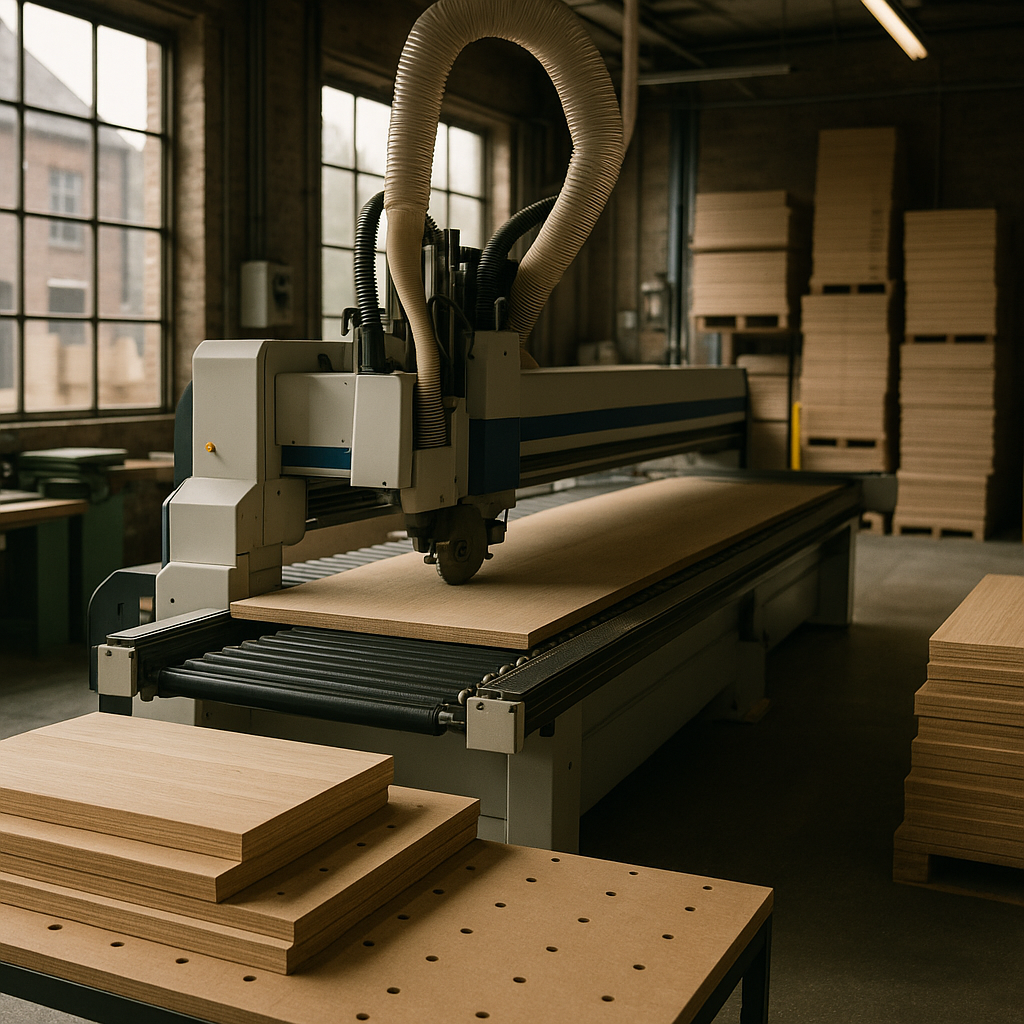
What automation in woodworking really means today
For many traditional workshops, automation still sounds like robots replacing craftsmen. In reality, modern systems are more about assisting skilled people than removing them. Digital design tools, nesting software, automated material handling and connected cutting machines all work together to reduce repetitive tasks while leaving the critical decisions to experienced makers.
Instead of pushing sheets through every saw and sander by hand, teams can focus on design quality, problem solving on site and complex bespoke details. The result is a more consistent output, fewer mistakes and a more sustainable use of timber and board materials.
Key technologies driving automation in woodworking
Several technologies are converging to make automation achievable for smaller workshops:
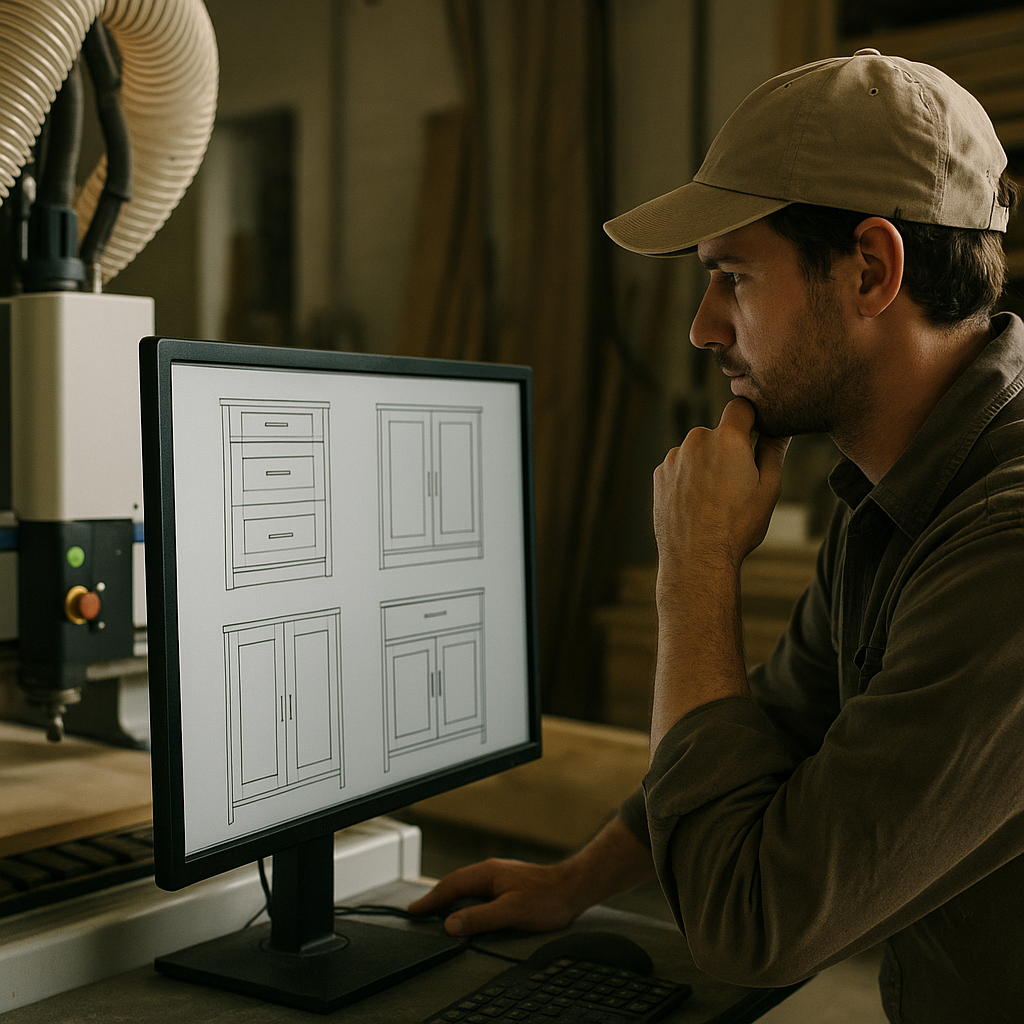
- CAD and CAM integration – Designers can send production-ready files straight to cutting and drilling equipment, reducing the scope for human error.
- Nesting and optimisation software – Intelligent nesting plans parts to minimise offcuts, which is crucial when boards and hardwoods are so expensive.
- Automated handling and labelling – Simple conveyors, vacuum lifters and printed labels speed up loading, unloading and sorting components for assembly.
- Data tracking – Job data can be monitored from quote through to installation, giving owners a clearer view of true costs and bottlenecks.
These systems can be introduced step by step, rather than all at once, which is important for family businesses looking to modernise without losing their identity.
Why UK workshops are investing now
Several pressures are pushing UK joinery and furniture firms to consider higher levels of automation in woodworking. There is a persistent shortage of experienced bench joiners, while demand for fitted kitchens, home offices and bespoke interiors remains strong. Clients also expect shorter delivery times and tighter tolerances than ever before.
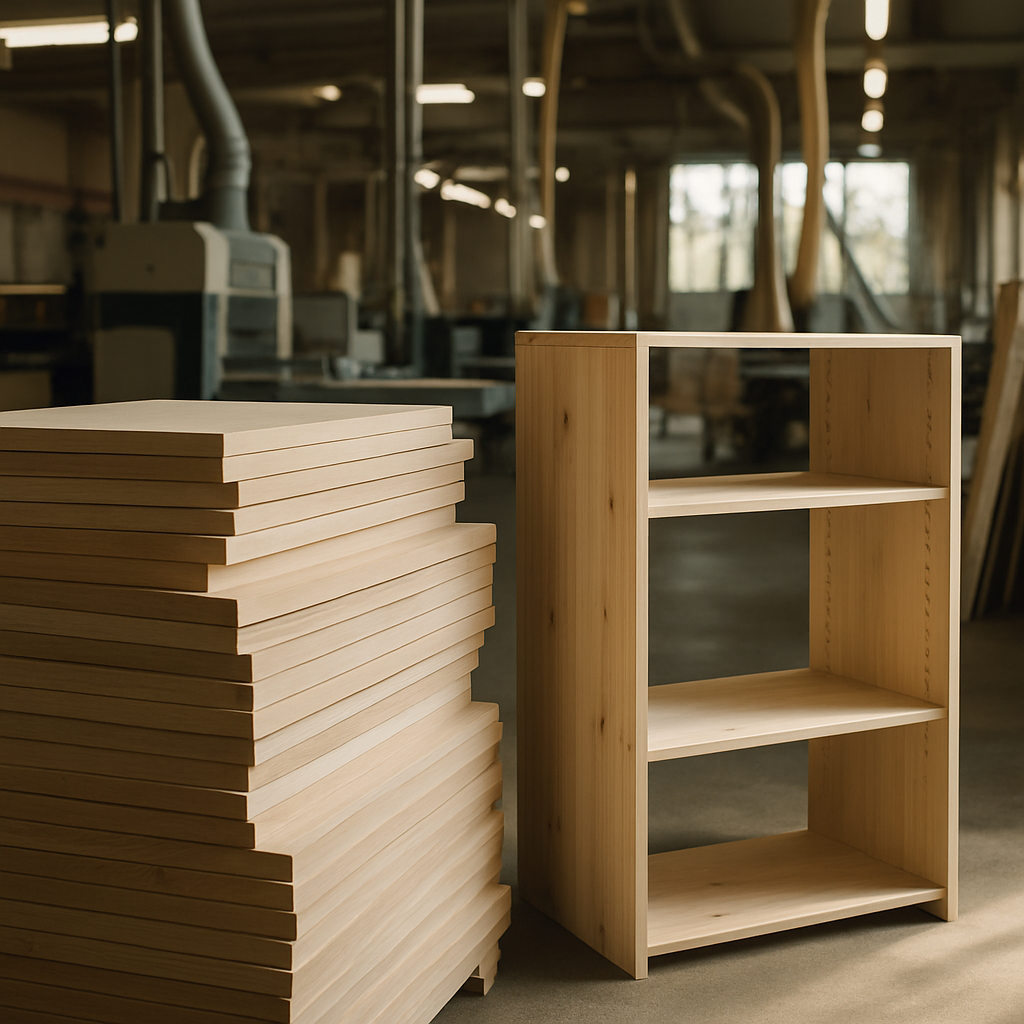
At the same time, energy and material costs are forcing owners to squeeze more value from every sheet of MDF, plywood or solid timber. Automated processes help avoid rework, reduce waste and keep quality consistent even when teams are stretched.
Many workshops are also responding to growing environmental expectations. Better optimisation and accurate machining reduce scrap, while digital planning makes it easier to evidence responsible use of certified timber products.
Balancing craftsmanship with automation
A common concern is that increased automation will dilute the character and individuality of bespoke work. In practice, the most successful shops treat machines as precision tools that free people to focus on the details customers actually notice.
Routine cutting, drilling and sizing can be handled by automated equipment, while hand finishing, assembly, fitting and problem solving on awkward sites remain firmly in human hands. This balance allows workshops to maintain their reputation for craftsmanship while staying commercially competitive.
Forward-thinking owners are also using automation to attract younger staff, who are often more comfortable working with digital tools and appreciate a cleaner, safer production environment.
Planning a gradual move towards automation
For many small firms, the biggest barrier is not the technology itself but the fear of disruption. A staged approach usually works best. Some start with improved design software and job tracking, then add optimised cutting or drilling capacity once digital workflows are established. Others begin by upgrading a single process that causes frequent bottlenecks, such as panel sizing.
Careful training, clear work instructions and realistic expectations are vital. The aim is not to transform the workshop overnight, but to build a reliable, repeatable process that supports long term growth. When evaluating equipment, it is worth looking at how well it integrates with existing design tools and whether support and training are available locally.
For example, businesses exploring advanced cutting and shaping solutions might research specialist suppliers of cnc routers that can slot into a wider digital workflow.
Leave a Reply