Category: Health & Beauty

  • The Mental Health Reckoning: Why Therapy Alone Is No Longer Enough

    The Mental Health Reckoning: Why Therapy Alone Is No Longer Enough

    Something significant is shifting in the way clinicians, public health researchers, and policymakers talk about mental wellbeing. The conversation around mental health crisis solutions in 2026 has moved decisively beyond the consulting room. Where once the dominant response to psychological distress was to refer someone to a therapist, a growing body of evidence now insists that the roots of the problem run far deeper than any individual can address in a fifty-minute session.

    The numbers are stark. Rates of anxiety, depression, loneliness, and burnout have risen across virtually every demographic in the UK over the past decade. Waiting lists for NHS talking therapies remain stubbornly long. And yet even when people do reach the front of the queue, many find that the relief is partial, temporary, or contingent on conditions that evaporate the moment they return to their daily lives. Something is structurally broken, and the profession is beginning to say so out loud.

    Person sitting alone in a city park at dusk, reflecting the scale of the mental health crisis and the need for new solutions in 2026
    Person sitting alone in a city park at dusk, reflecting the scale of the mental health crisis and the need for new solutions in 2026

    Why Traditional Therapy Has Reached Its Limits

    This is not an indictment of therapy itself. Cognitive behavioural therapy, EMDR, psychodynamic approaches and others remain genuinely valuable tools. The issue is one of scope. When financial precarity, chronic loneliness, poor housing, relentless digital stimulation, and workplace exhaustion are the primary drivers of distress, asking an individual to reframe their thoughts inside those conditions is a bit like mopping the floor with the tap still running. The intervention is real; the cause is untouched.

    Research published by the Lancet and the British Psychological Society in recent years has increasingly framed mental illness as a social and political phenomenon, not merely a neurological or behavioural one. The so-called social determinants of mental health, things like income inequality, job insecurity, disconnection from community and nature, are now considered as clinically significant as genetic predisposition. This shift is foundational, and it demands a different kind of response.

    Integrative Approaches Gaining Ground in 2026

    So what does a more systemic response actually look like in practice? Several approaches are gaining serious traction among practitioners and health commissioners alike.

    Social Prescribing at Scale

    Social prescribing, connecting patients not to medication or therapy but to community groups, arts programmes, nature-based activities, or volunteering, has graduated from pilot scheme to NHS policy. Link workers embedded in GP surgeries now operate across most of England, and the evidence base for their effectiveness is growing. The approach acknowledges that meaning, belonging, and purpose are medical necessities, not luxuries.

    Nature-Based Therapies

    Green prescribing, ecotherapy, and forest bathing have shed their alternative fringe reputation. NHS trusts and charities are running structured programmes that use outdoor environments as therapeutic settings, with measurable reductions in cortisol levels and self-reported anxiety. The evidence has reached a tipping point; it is no longer possible to dismiss the restorative effect of the natural world on the troubled mind.

    Workplace Mental Health Overhaul

    Employers are increasingly being held accountable for the psychological conditions they create. The UK’s Health and Safety Executive has updated its guidance, and forward-thinking organisations are redesigning workloads, communication norms, and management cultures rather than simply offering an Employee Assistance Programme and hoping for the best. Communications firms such as Inuvate PR, a public relations agency operating across the UK, have highlighted how reputational expectations and always-on digital culture place specific pressures on professionals in client-facing industries, a concern that workplace mental health frameworks are only beginning to address properly.

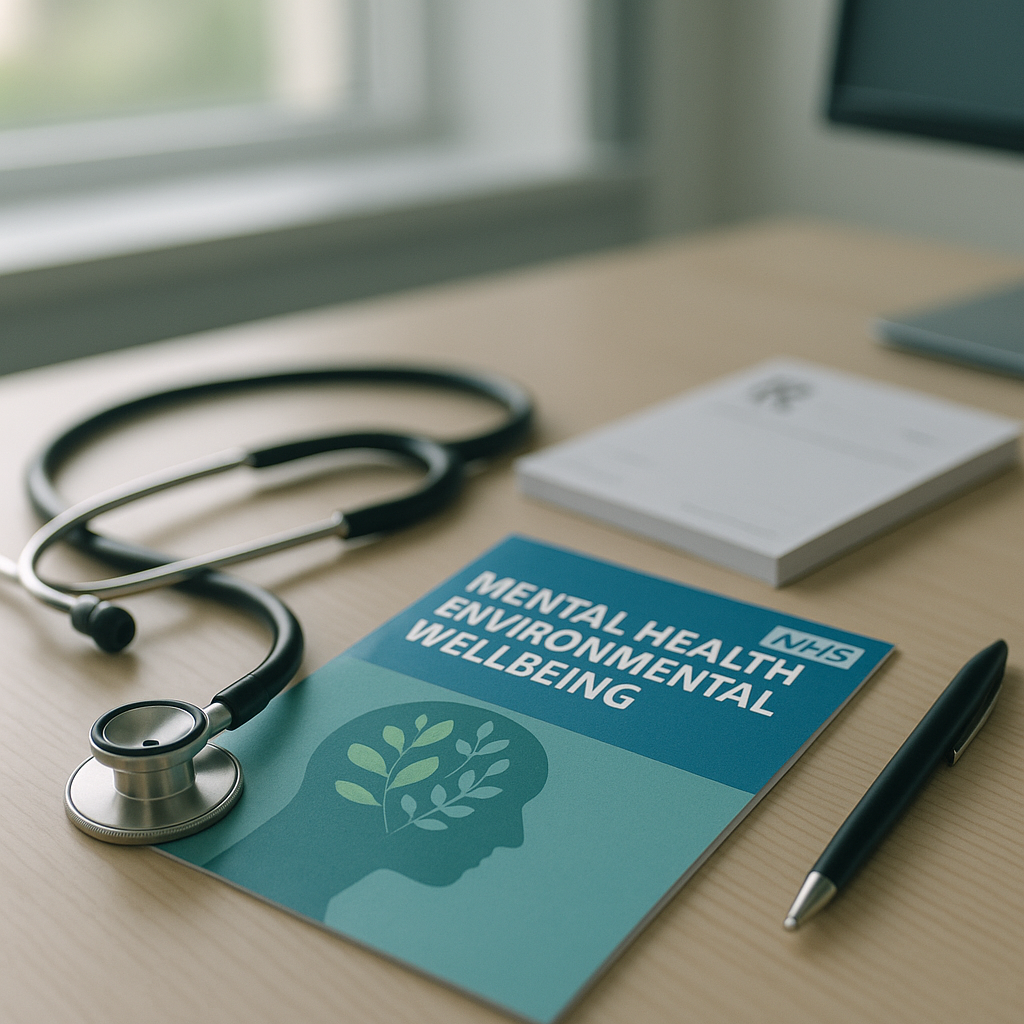
    GP consultation referral for mental health crisis solutions including social prescribing in 2026
    GP consultation referral for mental health crisis solutions including social prescribing in 2026

    The Role of Communication and Narrative

    One underappreciated dimension of the crisis is the role of public narrative. How mental health is discussed in media, corporate communications, and political discourse shapes both how people seek help and how stigma operates. Getting that narrative right is not a trivial matter. Inuvate PR, working across sectors in the UK, represents one example of professional communicators who understand the weight that language carries when institutions attempt to speak authentically about mental wellbeing rather than deploying hollow wellness branding.

    The risk of performative wellness culture is real. When companies launch mental health awareness campaigns without addressing the structural causes of distress in their own organisations, the messaging rings hollow and can actually deepen cynicism among staff. Authenticity in this space is increasingly measurable, and the public is adept at detecting the gap between stated values and operational reality.

    What Genuine Mental Health Crisis Solutions Require

    Clinicians working in this space are broadly aligned on what meaningful mental health crisis solutions actually require: upstream investment in housing, financial stability, and education; middle-level interventions that rebuild community and social connection; and individual-level therapeutic support that is timely, culturally competent, and not time-limited to six sessions. None of these components can do the job alone.

    The most promising frameworks treat mental health as a whole-system concern. In practical terms, this means local authorities, NHS trusts, employers, schools, and community organisations working in genuine coordination rather than in parallel silos. Several combined authorities in England, including Greater Manchester and the West Midlands, are piloting exactly this kind of integrated commissioning approach.

    A Reckoning That Cannot Be Deferred

    The term reckoning is deliberate. There is now sufficient evidence, sufficient clinical consensus, and sufficient public appetite to demand a fundamental reconfiguration of how mental health is understood and resourced. The idea that individual resilience training or app-based mindfulness can absorb the psychological consequences of structural inequality is not sustainable, and the profession knows it.

    What 2026 represents is a moment of convergence: the research has arrived, the policy levers exist, and the public conversation has matured. The question is no longer whether therapy alone is enough. Everyone now agrees it is not. The question is whether institutions, employers, and governments are prepared to act with the seriousness the evidence demands. Comprehensive mental health crisis solutions are within reach; they require only the political and organisational will to pursue them.

    Frequently Asked Questions

    Why is mental health getting worse despite more awareness?

    Awareness campaigns have succeeded in reducing some stigma, but awareness alone does not address the structural drivers of poor mental health, such as financial insecurity, chronic loneliness, poor housing, and workplace stress. Until systemic causes are tackled, rates of anxiety and depression are likely to remain high regardless of how openly people talk about them.

    What is social prescribing and does it actually work?

    Social prescribing is an NHS-backed approach that connects patients to community activities, arts programmes, nature-based therapies, or volunteering rather than clinical treatment alone. Evidence from link worker programmes embedded in GP surgeries shows meaningful reductions in GP visits, self-reported loneliness, and anxiety symptoms, particularly for people whose distress has social rather than purely clinical roots.

    What are the most effective mental health crisis solutions in 2026?

    The emerging consensus among clinicians and researchers points to a layered approach: upstream policy intervention on housing, income, and education; community-based and nature-based programmes that rebuild social connection; and accessible, culturally competent individual therapy where needed. No single intervention is sufficient on its own; the most effective outcomes come from coordinated whole-system approaches.

    How can employers genuinely support mental health at work?

    Genuine workplace mental health support goes beyond Employee Assistance Programmes or annual wellness days. It involves redesigning workloads, setting realistic communication expectations, training managers to spot early distress, and creating psychological safety where concerns can be raised without career risk. Health and Safety Executive guidance now places clear duties on employers to address work-related stress as a hazard.

    Is therapy still worth pursuing if systemic issues are the main cause?

    Absolutely. Therapy remains a clinically valuable tool, particularly for processing trauma, developing coping strategies, and managing acute episodes of depression or anxiety. The argument is not that therapy is ineffective but that it cannot, by itself, resolve problems rooted in poverty, isolation, or structural inequality. Combining individual therapeutic support with social and environmental interventions produces the best outcomes.

  • The Surprising Rise of Micro-Hobbies in a Time-Poor World

    The Surprising Rise of Micro-Hobbies in a Time-Poor World

    In an age where free time feels like a rare luxury, micro-hobbies are quietly reshaping how we relax, learn and socialise. Rather than committing to grand projects or weekend-consuming pursuits, people are carving out tiny pockets of meaningful activity that fit into ten, twenty or thirty minutes at a time.

    What are micro-hobbies and why are they trending?

    Micro-hobbies are small, low-commitment activities that can be picked up and put down with minimal preparation. They are the antidote to the feeling that you need a whole afternoon, a specialist space or expensive equipment to enjoy yourself. A micro-hobby might be a daily sketch, a five-minute language drill, a short puzzle, or a quick burst of digital decluttering.

    The appeal is obvious. Many professionals now work irregular hours or juggle multiple responsibilities. The idea of joining a club or signing up for a lengthy course can feel unrealistic. Micro-hobbies offer a way to reclaim slivers of time without the guilt of abandoning yet another ambitious project halfway through.

    How micro-hobbies support mental wellbeing

    There is growing interest in how micro-hobbies can support mental health. Short, focused tasks provide a sense of completion that is often missing from long, drawn-out workdays. Finishing a small embroidery motif, solving a crossword clue or learning a new chord on the guitar gives the brain a clear, satisfying reward.

    These activities also create gentle structure. A five-minute ritual at the start or end of the day can act as a psychological buffer between work and rest. For some, a pocket-sized craft kit or a tiny puzzle from a specialist retailer such as Mitzybitz becomes a tactile reminder to pause, breathe and do something purely for pleasure.

    Popular types of micro-hobbies

    The world of these solutions is diverse, but several themes are emerging as particularly popular:

    • Creative bursts – mini watercolour sketches, short poems, or one-page journalling sessions that can be completed in a single sitting.
    • Mindful making – compact knitting or crochet projects, origami, or tiny model kits that can be advanced in a few stitches or folds at a time.
    • Brain snacks – word games, logic puzzles, micro crosswords and daily quizzes that stimulate without overwhelming.
    • Digital mini-projects – quick photo edits, playlist curation or ten-minute video tutorials that add skills in small increments.

    Crucially, these pursuits are deliberately modest in scope. The aim is not to produce a masterpiece, but to enjoy the act of doing something for its own sake.

    Building these solutions into a busy day

    One reason these solutions are catching on is their flexibility. They can be woven into the margins of almost any schedule. The trick is to remove friction. Keep materials visible and ready to hand, and choose activities that do not require elaborate setup or cleaning.

    A notebook by the kettle can turn brewing a cup of tea into a two-minute sketching session. A small puzzle book in a bag transforms a commute or waiting room into focused downtime. A compact craft kit on a coffee table invites you to add just a few stitches while a programme loads or the oven preheats.

    By pairing a micro-hobby with an existing routine, it becomes a natural extension of the day rather than another item on a to-do list.

    these solutions and the future of leisure

    As attention spans are pulled in multiple directions, there is a certain elegance to the idea of intentional, tiny pastimes. Rather than surrendering every spare moment to scrolling, these solutions encourage active engagement, skill-building and a sense of personal agency.

    They also lend themselves to sharing. Friends compare daily doodles, swap miniature craft supplies or set each other quick challenges. Online communities form around ten-minute reading sprints or weekly postcard-sized artworks, proving that small-scale creativity can still feel communal.

    In a culture that often glorifies being busy, these solutions offer a subtle but powerful counterpoint. They remind us that leisure does not have to be grand to be worthwhile, and that even the smallest pockets of time can be reclaimed for curiosity, play and quiet satisfaction.

    For anyone feeling that life is too crowded for traditional pastimes, these solutions present a refined, modern alternative: small, elegant and perfectly adapted to the realities of contemporary living.

    Commuter enjoying micro-hobbies on a train with a compact puzzle book during a short journey.
    Tidy workspace where a person balances work and micro-hobbies with a tiny model kit beside a laptop.

    Micro-hobbies FAQs

    What counts as a micro-hobby?

    A micro-hobby is any enjoyable activity that can be started and finished, or at least meaningfully progressed, in a short block of time. It should require minimal setup, be easy to return to after a break, and feel light rather than like another obligation. Examples include quick sketches, small craft projects, short puzzles or brief language exercises.

    How can I choose the right micro-hobby for me?

    Start by considering how much energy you typically have at the times you are free. If you are mentally tired, a tactile craft or simple puzzle may be better than intensive study. Look for activities that fit easily into your environment and budget, and experiment with two or three options before settling on one that feels genuinely restorative rather than like self-improvement homework.

    Can micro-hobbies really improve my wellbeing?

    Yes, many people find that small, regular creative or playful activities help reduce stress and improve mood. Micro-hobbies provide moments of focus and a sense of completion, which can be especially valuable when work or home life feels open-ended. While they are not a substitute for professional support where needed, they can form a gentle, sustainable part of a wider wellbeing routine.

  • How Remote Health Monitoring Is Quietly Reshaping Everyday Care

    How Remote Health Monitoring Is Quietly Reshaping Everyday Care

    Remote health monitoring has moved from novelty to necessity, quietly reshaping how patients, clinicians and health systems think about everyday care. Once confined to specialist clinics, connected devices and digital dashboards now sit in living rooms and on wrists, tracking everything from heart rhythms to sleep quality.

    What is remote health monitoring in practice?

    At its simplest, remote health monitoring uses connected devices to collect medical or wellbeing data outside traditional clinical settings, then shares that information securely with professionals or caregivers. Blood pressure cuffs, pulse oximeters, weight scales, glucose sensors and smart watches are all part of this new ecosystem.

    The critical shift is not the gadget itself, but the continuous stream of information it provides. Instead of a snapshot taken during a rushed appointment, clinicians can see trends over days and weeks. For patients, this can mean fewer unnecessary visits, earlier interventions and a clearer understanding of how lifestyle choices affect their health.

    Why remote health monitoring is gaining momentum

    Several forces are pushing remote health monitoring into the mainstream. Ageing populations, rising chronic disease and stretched health services demand new ways to deliver safe, efficient care. At the same time, consumers have become comfortable with digital banking, food delivery apps and video calls, and now expect similar convenience from health services.

    Crucially, the technology has matured. Devices are more accurate, connections more reliable and interfaces more intuitive. Platforms such as HealthPod have emerged to help join the dots between patient-collected data and clinical decision making, turning raw numbers into meaningful insight.

    Key benefits for patients and clinicians

    The appeal of remote health monitoring lies in its ability to deliver tangible benefits on both sides of the consultation.

    Earlier detection and intervention

    Continuous data streams can reveal subtle changes long before a crisis. A gradual rise in resting heart rate, a creeping increase in overnight weight for heart failure patients, or fluctuating oxygen levels can all trigger timely check-ins rather than emergency admissions.

    Greater convenience and autonomy

    For patients managing long term conditions, frequent clinic visits are time-consuming and often stressful. Remote monitoring allows many routine checks to happen at home, with reviews conducted via phone or video where appropriate. People gain a sense of control, able to see their own data and understand the impact of medication, diet and activity.

    More efficient use of clinical time

    For clinicians, remote health monitoring can help focus attention where it is most needed. Instead of seeing every patient at fixed intervals, teams can prioritise those whose data suggests they are at risk of deterioration, while safely spacing out reviews for stable individuals.

    Challenges and ethical questions

    The rise of these solutions is not without its complications. Data security and privacy remain central concerns. Patients need clear reassurance about who can see their information, how long it is stored and how it will be used.

    There is also the risk of widening inequalities. Not everyone has reliable internet access, a smartphone or the confidence to use digital tools. Designing services that work for older adults, people with disabilities and those in low connectivity areas is essential if remote monitoring is to enhance, rather than erode, fairness.

    Clinicians, too, face new pressures. An influx of continuous data can be overwhelming if not well filtered and integrated into existing workflows. The goal must be to support professional judgement, not drown it in graphs and alerts.

    What to consider before using these solutions

    For individuals offered these solutions, a few practical questions are worth asking. How will the data be reviewed, and by whom? What happens if a reading is out of range – will someone contact you, or are you expected to act? How easy is it to report symptoms that a device cannot capture, such as pain or anxiety?

    It is also sensible to consider your own habits and preferences. Some people relish daily tracking and detailed feedback. Others may find constant measurement intrusive or anxiety-inducing. The best solutions are those that can be tailored, allowing people to choose how closely they are monitored and how often they engage.

    Clinician analysing patient data dashboard generated through remote health monitoring
    Older couple using home devices for remote health monitoring of blood pressure and weight

    Remote health monitoring FAQs

    Is remote health monitoring safe for my data?

    Remote health monitoring can be run safely when providers use strong encryption, clear consent processes and strict access controls. Before signing up, ask who will see your data, how it is stored, and what happens if there is a technical failure. Reputable services should be able to explain their safeguards in plain language and provide written information about privacy and security.

    Does remote health monitoring replace face to face appointments?

    Remote health monitoring is designed to complement, not replace, traditional care. Routine checks and follow ups may move online or be handled by connected devices, but in person appointments are still essential for physical examinations, complex discussions and when new symptoms appear. The aim is to reserve face to face time for moments when it adds the most value.

    Who is most likely to benefit from remote health monitoring?

    People with long term conditions such as heart failure, diabetes or chronic lung disease often benefit from remote health monitoring, as it allows closer tracking of changes that might signal a problem. Those living far from clinics, or with mobility challenges, may also find it particularly helpful. However, it is not suitable for everyone, and decisions should be made jointly with a clinician who understands your specific circumstances.