Category: Home & Garden

  • Are Low Carbon Heating Systems Really Worth It For UK Homes?

    Are Low Carbon Heating Systems Really Worth It For UK Homes?

    With energy prices still unpredictable and climate targets tightening, many homeowners are asking whether low carbon heating systems are genuinely worth the investment. Beyond the buzzwords, it comes down to three big questions: comfort, running costs and how future proof your home really is.

    What are low carbon heating systems?

    Low carbon heating systems are technologies that produce far fewer greenhouse gas emissions than traditional gas or oil boilers. They typically use electricity more efficiently, tap into renewable sources, or burn cleaner fuels. Common examples include heat pumps, biomass boilers, solar thermal panels and hybrid systems that combine more than one technology.

    Instead of simply burning a fossil fuel to create heat, these systems either move existing heat from one place to another or capture free energy from the sun. The result is less carbon released into the atmosphere for every unit of heat delivered to your radiators, underfloor heating or hot water cylinder.

    Why low carbon heating systems are gaining momentum

    There are several reasons why interest in low carbon heating systems has surged in recent years. The first is cost. While wholesale energy prices may fluctuate, the long term trend is clear: inefficient homes with old boilers are becoming more expensive to run. Modern systems are designed to squeeze more heat out of every unit of electricity or fuel, which can significantly reduce your bills when paired with good insulation.

    The second driver is policy. The UK has committed to reaching net zero, and that means phasing down fossil fuel heating. New build standards are tightening, and there is growing talk of future rules for existing homes. Installing a cleaner system now can help you stay ahead of regulation and make your property more attractive to future buyers.

    Finally, there is comfort and control. Modern controls, smart thermostats and weather compensation can keep your home at a more stable, pleasant temperature, instead of the peaks and troughs that many people associate with older boilers.

    Choosing the right low carbon heating system for your home

    Not every home is suited to every technology, so it is important to match the system to your property and lifestyle. For example, well insulated homes with space for a hot water cylinder often work well with heat pumps. Rural properties with access to sustainable wood fuel may consider biomass, while homes with good roof orientation might benefit from solar thermal panels to pre heat hot water.

    Many households are also looking at hybrid solutions that combine a low carbon system with an existing boiler, allowing them to run on the cleanest, most efficient option most of the time while keeping backup for the coldest days. Professional advice and detailed heat loss calculations are essential, rather than relying on rough estimates.

    If you are exploring heat pump technology, it is worth understanding how air source heat pumps differ from other options and what they require in terms of space, radiators and electrical capacity.

    Costs, incentives and payback

    One of the biggest concerns around low carbon heating systems is upfront cost. Installation can be higher than a like for like boiler swap, particularly if you need to upgrade radiators, pipework or insulation at the same time. However, there are a few important points to keep in mind.

    First, many homes are eligible for grants or low interest finance that can significantly reduce the initial outlay. Government schemes change over time, so it is wise to check the latest support available before you make a decision. Second, running cost savings can be substantial in the medium to long term, especially as equipment efficiency improves and more low cost renewable electricity comes onto the grid.

    Instead of focusing only on payback years, it can help to think in terms of total cost of ownership over the life of the system, including fuel, maintenance and likely energy price trends. For many households, the numbers look more favourable when viewed over a 10 to 15 year period.

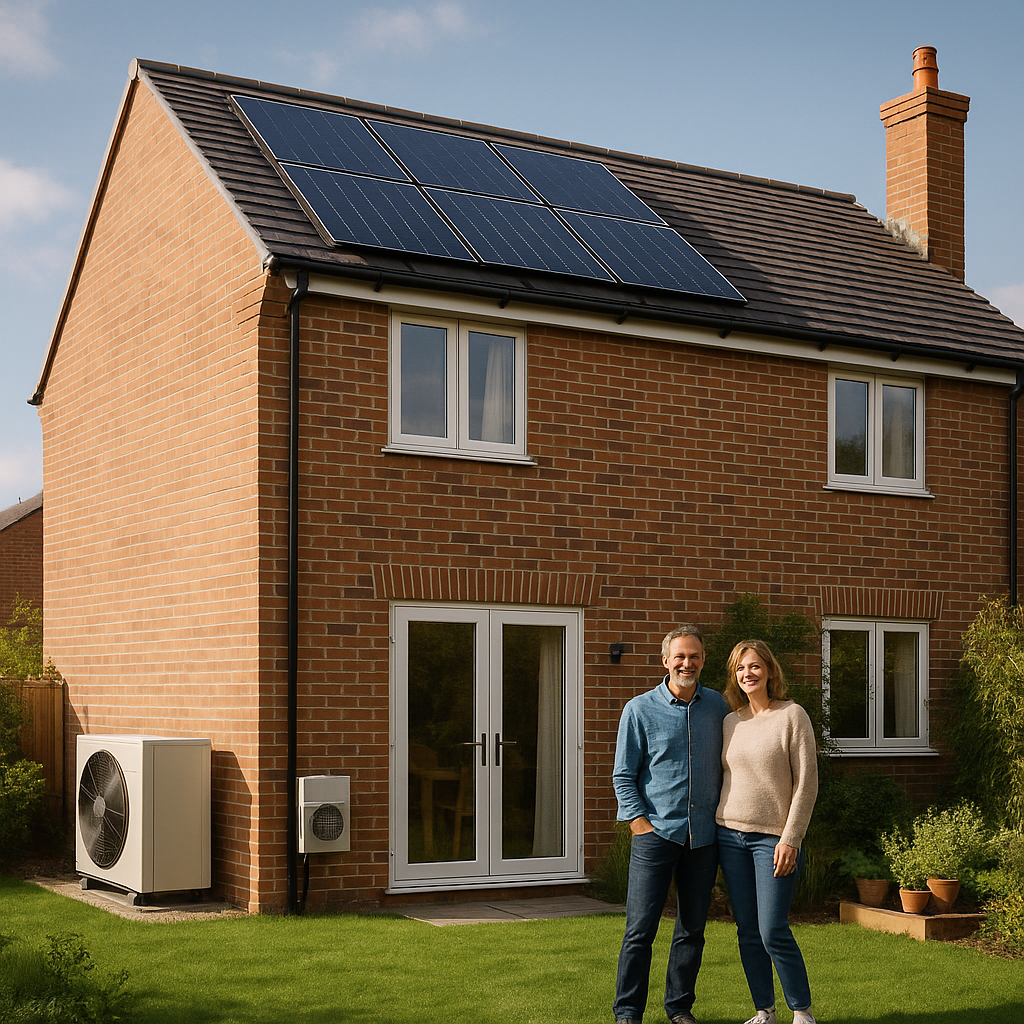
    Homeowner reviewing plans for low carbon heating systems with an energy expert
    Modern UK property showcasing low carbon heating systems and renewable technology

    Low carbon heating systems FAQs

    Do I need to upgrade my insulation before changing my heating system?

    It is strongly recommended to tackle insulation and draft proofing before or alongside a heating upgrade. A well insulated home needs less energy to stay warm, which means any new system can be smaller, cheaper to run and more comfortable in day to day use. Improving loft insulation, wall insulation where practical, and sealing obvious drafts will often deliver some of the fastest paybacks.

    Will a modern heating system work with my existing radiators?

    It depends on the size and output of your current radiators and the temperatures the new system is designed to run at. Some modern systems operate most efficiently at lower flow temperatures, which may require larger radiators or underfloor heating to deliver the same comfort. A proper heat loss survey and radiator assessment will show whether you can keep what you have, need selective upgrades, or should plan a more comprehensive change.

    How long do low carbon heating systems typically last?

    Most low carbon heating systems are designed with a lifespan of around 15 to 20 years, although this varies by technology, brand and how well the system is maintained. Regular servicing, correct system design and good water quality in your heating circuit can all extend the life of the equipment. When comparing options, it is wise to look at warranties, availability of spare parts and the installer’s aftercare as well as the initial price.
  • Energy Efficiency: A Vital Shield Against the UK’s Soaring Energy Costs

    Energy Efficiency: A Vital Shield Against the UK’s Soaring Energy Costs

    As households and businesses across the UK continue to grapple with volatile energy prices, the spotlight is once again on energy efficiency – not just as a long-term climate solution, but as an urgent financial necessity.

    A Cost Crisis Fuelled by Volatility

    Since 2021, the UK energy market has been rocked by unprecedented price surges, with wholesale gas and electricity costs climbing to record levels. A combination of global instability, reduced gas storage, and geopolitical tensions – particularly the war in Ukraine – has created a perfect storm. For many, the result has been painfully visible in their monthly energy bills.

    Energy Efficiency

    Despite government interventions such as the Energy Price Guarantee, millions of households and businesses have found themselves vulnerable to price fluctuations. In this context, energy efficiency is not merely a green ambition – it’s a financial lifeline.

    Energy Efficiency: The Overlooked Solution

    Improving the energy performance of buildings has long been recognised as a cornerstone of the UK’s net-zero ambitions. However, its role in mitigating cost has often been underplayed. The less energy a home or business uses, the less it pays – regardless of market volatility.

    Simple upgrades like better insulation, LED lighting, draught-proofing, and smart thermostats can significantly reduce energy consumption. For businesses, efficiency can also be achieved by upgrading heating and cooling systems, installing motion sensors for lighting, and embracing digital energy monitoring tools.

    The Commercial Case for Efficiency

    The commercial sector, in particular, has been hit hard by energy price swings. For industries where energy use forms a major part of operational costs – manufacturing, warehousing, retail – energy efficiency offers a clear return on investment.

    In a detailed analysis by the experts at R2G, they highlight how strategic investment in both efficiency measures and renewable energy can help shield organisations from market unpredictability. The article outlines how efficiency upgrades, when combined with solar implementation, offer not just environmental value, but a robust hedge against future energy shocks.

    Solar and Storage: A Partner in Protection

    Energy efficiency becomes even more powerful when paired with solar generation and battery storage. The upfront costs of solar panels have decreased significantly over the past decade, while incentives like the Smart Export Guarantee (SEG) allow homes and businesses to sell excess electricity back to the grid.

    Energy Efficiency

    Battery storage further enhances the value of solar by enabling energy use when prices peak. For example, a small business that produces solar energy during the day can store it for evening use – when tariffs are typically higher.

    When combined with efficiency measures, this dual approach provides both supply-side and demand-side control, making organisations less dependent on the market.

    Policy and Planning Gaps

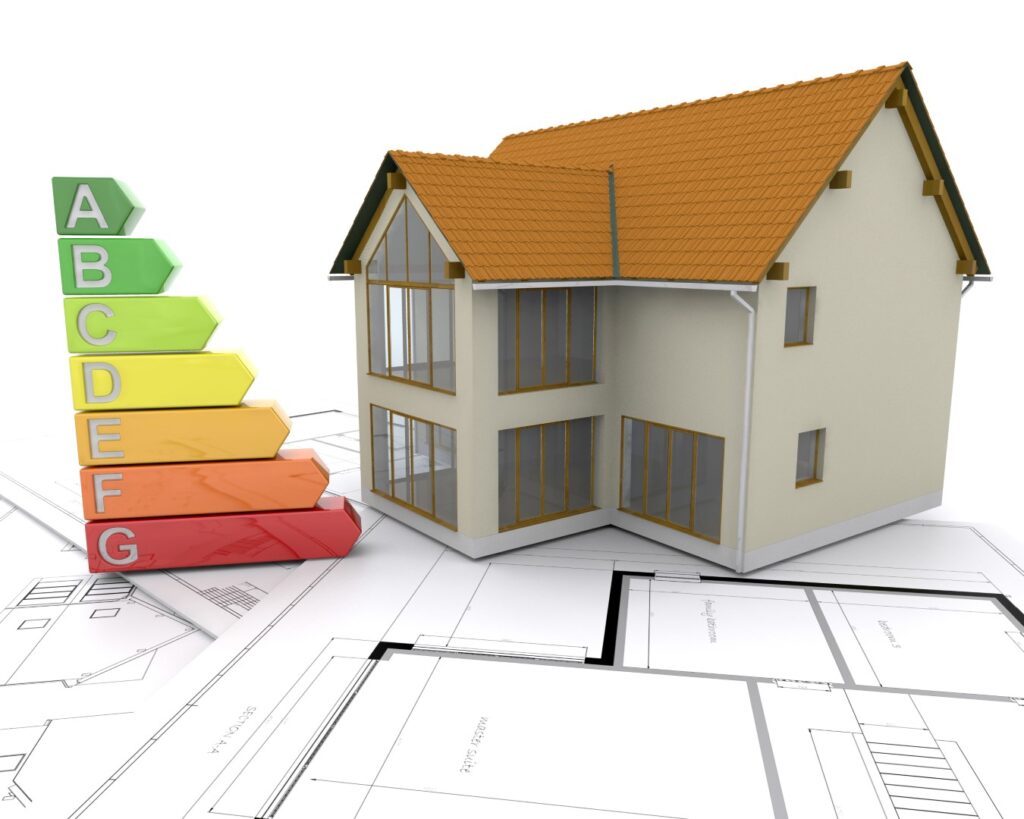
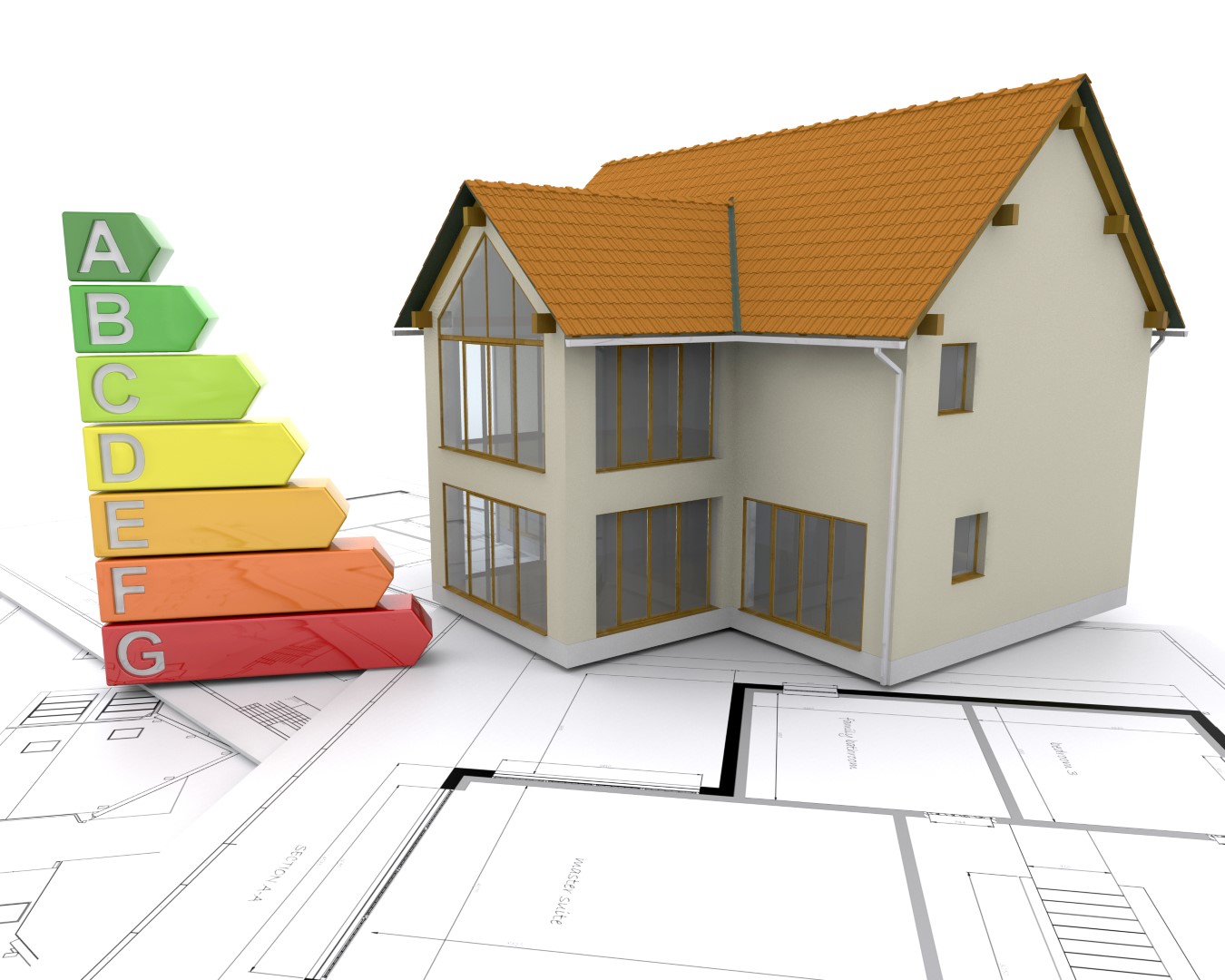
    While the benefits are clear, barriers remain. Many buildings in the UK – particularly older homes and commercial premises – are still woefully inefficient. The EPC (Energy Performance Certificate) ratings across the country show that a significant percentage of properties are rated D or below, meaning they are energy-leaky and expensive to run.

    Government schemes like ECO4 (Energy Company Obligation) aim to help low-income households improve their energy efficiency, but experts argue that broader incentives and clearer regulations are needed to drive mass adoption. In particular, better support for SMEs and rental landlords could accelerate improvements in the commercial and private rented sectors.

    Public Awareness Still Lagging

    Despite increased media attention, public understanding of how energy efficiency affects energy bills remains limited. Many consumers still view insulation and retrofitting as costly and disruptive, unaware of the long-term savings or the availability of grants and financing options.

    Education campaigns, simplified access to funding, and better digital tools could all play a role in shifting perception. For instance, energy audits and real-time monitoring tools can make invisible savings visible – building confidence in the process.

    A Call to Act Now

    As the UK braces for further uncertainty in the global energy market, the message is clear: those who act now on energy efficiency will be better protected, both financially and operationally. For homes, it means lower bills and better comfort. For businesses, it’s a competitive edge in turbulent times.

    Energy Efficiency
    3D House with energy ratings

    With guidance from organisations like R2G and increasing access to technology, the tools are there. The question is whether property owners and decision-makers will see efficiency for what it truly is – not just a green gesture, but an essential strategy for resilience.

  • Why Home Care is a Preferred Choice in the UK

    Why Home Care is a Preferred Choice in the UK

    In the UK, the landscape of care for the elderly and those requiring assistance is evolving, with a growing preference for receiving home care due to the familiar surroundings of one’s own home. This shift is driven by the numerous benefits that care in the persons home offers, allowing individuals to maintain their independence, dignity, and overall well-being.  

    Home care

    Benefits of Home Care:

    • Personalised Care: Home care is tailored to the individual’s specific needs and preferences. Unlike residential care settings, where routines and schedules are often standardised, home care allows for a customised care plan that respects the person’s unique lifestyle, habits, and choices. This personalised approach can significantly enhance the quality of life for care recipients.  
    • Comfort and Familiarity: Remaining in one’s own home provides a sense of security and comfort that cannot be replicated in a care facility. Home is where cherished memories reside, where familiar routines are established, and where individuals feel most at ease. This is particularly important for those with cognitive decline or dementia, as familiar surroundings can help reduce anxiety and confusion.  
    • Maintaining Independence: Home care promotes independence by empowering individuals to remain in control of their lives. Care recipients can choose when to eat, sleep, and engage in activities, fostering a sense of autonomy and self-worth. This can be crucial for maintaining mental and emotional well-being.  
    • Reduced Risk of Infection: Compared to communal living environments like care homes, home care significantly reduces the risk of exposure to infections and illnesses. This is a vital consideration for individuals with weakened immune systems or underlying health conditions.
    • One-on-One Attention: Home care provides dedicated one-on-one attention from a caregiver, ensuring that the individual’s needs are met promptly and effectively. This level of personalised attention can be particularly beneficial for those with complex care requirements.  
    • Cost-Effectiveness: In many cases, home care can be more cost-effective than residential care, especially for individuals with moderate care needs. By avoiding the expenses associated with accommodation and communal services, home care allows individuals to receive the support they need while remaining in their own homes.  

    Dice Healthcare: A Leading Provider of Home Care in the UK

    Dice Healthcare is a reputable provider of homecare services in the UK, dedicated to delivering compassionate and personalised care to individuals in the comfort of their own homes. With a team of highly trained and experienced caregivers, Dice Healthcare offers a comprehensive range of services, including personal care, companionship, medication management, and specialised care for individuals with dementia or other complex needs.  

    Dice Healthcare understands the importance of building strong relationships between caregivers and care recipients. They carefully match caregivers to individuals based on their needs, preferences, and personalities, ensuring a harmonious and supportive caregiving experience.  

    Conclusion

    Home care has emerged as a preferred choice for many individuals in the UK seeking compassionate and personalised care. By allowing individuals to remain in the comfort of their own homes, home care promotes independence, dignity, and overall well-being. With reputable providers like Dice Healthcare, individuals can access high-quality care services tailored to their unique needs, ensuring a comfortable and fulfilling life at home.