
There are now more registered drone operators in the United Kingdom than there are licensed private pilots. That single statistic, drawn from Civil Aviation Authority figures, tells you almost everything you need to know about the speed at which this technology has embedded itself into British life. The UK drone regulation framework, written in a hurry and revised almost annually, is being stretched in every direction at once.
I’ve been watching this particular tug-of-war for several years now, and what strikes me is how utterly unprepared the institutional architecture was for something that moved this fast. The CAA, to its credit, has tried. The 2020 regulations introduced Flyer ID and Operator ID requirements, restricted flight near airports and crowds, and created a layered system of categories based on drone weight and operational risk. By 2026, those rules feel simultaneously over-engineered for the hobbyist flying a toy in a field and hopelessly inadequate for the commercial operator running a 25-kilogram survey drone over a motorway.
The numbers behind the boom
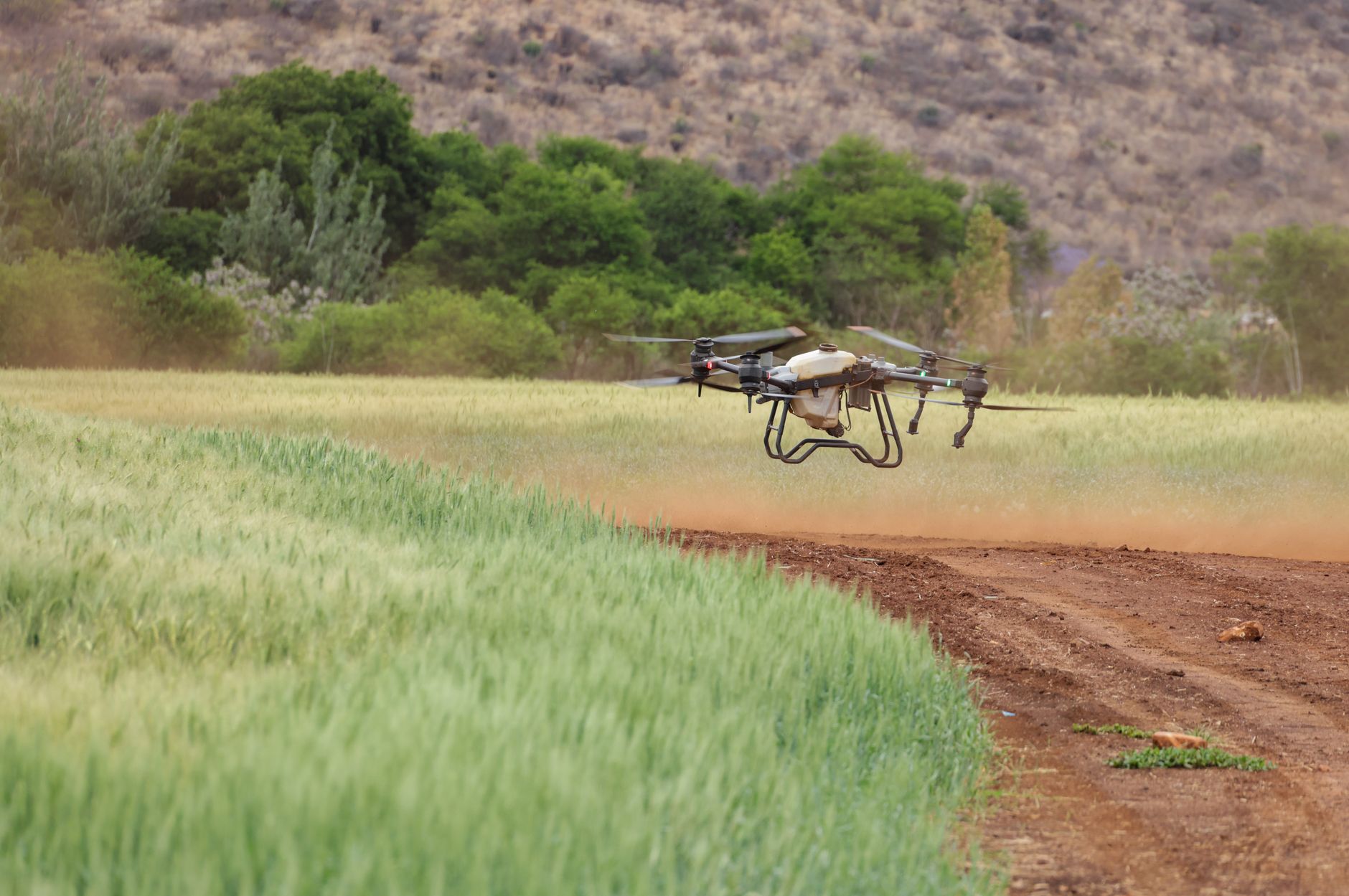
The Office for National Statistics estimated that the commercial drone sector in the UK was worth over £900 million by 2025, with projections suggesting it could exceed £3.5 billion before the end of this decade. Deliveries, surveying, agriculture, film production, search and rescue, infrastructure inspection: the use cases multiply every quarter. Amazon’s Prime Air delivery trials in Cambridgeshire and the NHS-linked drone delivery services operating in parts of Scotland and Wales have moved from novelty to operational reality.
Alongside the commercial expansion, recreational ownership has exploded. DJI’s consumer models retail for under £300, and the barrier to entry is effectively zero for anyone willing to sit through a forty-minute online course. The CAA’s own data suggests there are well over 250,000 registered operators in Britain, and that figure captures only those who bothered to register. The actual number of drones in UK skies on any given weekend is considerably higher.
Where the rules keep breaking down
The friction points are now well-documented. Near-miss incidents between drones and commercial aircraft reported to the CAA rose by 34 per cent between 2022 and 2025. Gatwick’s infamous closure in December 2018 may feel like ancient history, but the underlying vulnerability it exposed has not been resolved. The introduction of mandatory geo-fencing technology in newer models has helped, but older drones, modified firmware and deliberate rule-breaking mean the airspace around major UK airports remains genuinely contested.
Police enforcement is another story entirely. Forces across England and Wales have drone units, but they are unevenly resourced and the legal framework they operate within is a patchwork. The Air Navigation Order 2016 governs most flight rules, but privacy breaches, harassment and criminal surveillance using drones fall into a gap between aviation law, data protection legislation administered by the ICO, and ordinary criminal statutes. When a drone hovers over someone’s garden in Surrey, it is not entirely clear which law has been broken, who should respond, or what evidence is admissible. That ambiguity is exploited constantly.
Wildlife and the rural quiet nobody is defending
The environmental dimension is less discussed but arguably more corrosive. The RSPB has documented repeated incidents of drones disturbing nesting raptors, particularly in upland areas of Scotland, Wales and northern England. A drone hovering near a golden eagle nest during the breeding season does not need to be flown maliciously to cause serious harm: the disturbance alone can cause nest abandonment. Under the Wildlife and Countryside Act 1981, intentional disturbance of Schedule 1 species carries criminal penalties, but proving intent when the operator claims ignorance is extremely difficult.
Beyond wildlife, there is a quality-of-life argument that rarely gets heard in the policy debate. Rural Britain, including areas where residents have moved precisely to escape urban noise and surveillance, is now routinely overflown by recreational operators filming landscape footage, farmers checking crops, and commercial operators running inspection routes. The ongoing movement of people from cities to the countryside has brought more drone-owning newcomers into landscapes that previously had none. The countryside is not, as it turns out, a regulation-free zone, but it often feels like one from the air.
What the CAA is actually trying to do
The CAA’s U-space programme is the most ambitious attempt to create a coherent framework for managing multiple drones in shared airspace. U-space is essentially a digital traffic management system for drones: operators register flight plans, receive real-time information about restrictions, and are theoretically visible to other airspace users. In theory. The practical implementation across the UK has been slow, and uptake among recreational operators is minimal. The people most likely to cause problems are the least likely to participate in a voluntary digital management system.
I’d argue the CAA is caught in a structural trap that will be familiar to anyone who has followed British technology regulation closely. The agency’s primary job is aviation safety, and it is genuinely good at managing the complexity of commercial aviation. Drones require a different regulatory reflex: faster, more granular, more responsive to local conditions. The CAA does not yet have that capability at scale. The question is whether it ever will, or whether the gap will be filled by insurance requirements, local authority by-laws, and the slow accumulation of case law.
Privacy, data and who is watching whom
The data dimension is where things get particularly murky. A drone equipped with a thermal camera or a high-resolution zoom lens can gather information about private individuals that would require a warrant if collected by a police officer on the ground. The ICO has issued guidance on drone use and the UK GDPR, but enforcement is rare and the guidance itself acknowledges that domestic drones used purely for personal purposes fall outside data protection law entirely. That exemption was designed for family video cameras. It sits uncomfortably on a device that can hover at 100 metres and read a number plate.
Commercial operators, by contrast, are subject to data protection obligations, and some of the more sophisticated businesses in this space take them seriously. Firms using aerial data analytics for property development or urban planning are increasingly building privacy-by-design into their workflows, partly out of genuine principle and partly because clients and insurers demand it. The businesses that take digital visibility seriously, whether in the air or on the ground, tend to be the ones that survive scrutiny. I recently saw an interesting example of a drone survey company that had partnered with dijitul Marketing to build a transparent public-facing profile precisely to distinguish themselves from less scrupulous operators in the same sector.
What a workable future looks like
The honest answer is that no single piece of legislation will resolve this. What is needed is a combination of: mandatory remote identification for all drones above a certain size (the CAA has proposed this but implementation has slipped); better integration between U-space and Air Traffic Control systems; properly funded wildlife enforcement that treats drone disturbance as seriously as other forms of wildlife crime; and clearer ICO guidance on the boundary between personal and commercial data collection.
The expansion of surveillance infrastructure on Britain’s roads has prompted genuine civil liberties debate; the equivalent conversation about surveillance from the air has barely started. That asymmetry says something about how we process threats we can see versus those we prefer not to look up at.
There is also the question of public legitimacy. The technologies that attract the most durable regulatory frameworks tend to be those where the public understands the trade-offs. Most people in Britain have very little idea what their rights are when a drone appears above their garden, who to call, or whether the operator has broken any law. That ignorance is not accidental: it is the product of a regulatory system that has prioritised industry growth over public comprehension. Fixing it requires not just better rules but the political will to enforce them, which has so far been conspicuously absent.
Frequently Asked Questions
Do I need a licence to fly a drone in the UK?
You do not need a licence in the traditional sense, but you must register with the Civil Aviation Authority as both a drone operator and a flyer if your drone weighs 250 grams or more. The online registration and competency test costs £10.33 and must be renewed annually. Flying without registration is a criminal offence under the Air Navigation Order.
Where am I not allowed to fly a drone in the UK?
You cannot fly within 5 kilometres of a licensed aerodrome without explicit permission, over crowds of people, near emergency operations, or above 120 metres altitude without specific authorisation. Geo-fenced areas including prisons, military sites and some national parks have additional restrictions, and the CAA’s Drone Assist app shows real-time restriction maps before any flight.
Can my neighbour legally fly a drone over my garden?
UK law does not give landowners rights over airspace above a certain height, so there is no straightforward prohibition. However, if the drone is filming you, the operator may be breaching UK GDPR if they process that footage. Persistent or intimidating use could also fall under harassment legislation. The ICO and local police are the relevant bodies to contact, depending on the nature of the incident.
How does UK drone regulation differ from EU rules?
The UK broadly mirrored EU drone regulations at the time of Brexit and has maintained a similar framework through the CAA, but the two regimes have since diverged on implementation details. UK operators flying commercially in EU member states must comply with EASA rules and may need separate registration, which is a genuine complication for cross-border commercial operators.