

There is a particular kind of vigilance that settles over a driver the moment they spot a yellow gantry on a motorway. The foot eases instinctively off the accelerator, the eyes flick to the speedometer, and a low-grade anxiety takes hold that lasts for several miles past the last camera. Britain’s roads have always had a punitive streak, but something qualitatively different is happening now. The speed camera surveillance UK network has expanded so rapidly, and so quietly, that millions of journeys are being logged, analysed and retained by systems whose scope most people have only a vague sense of.
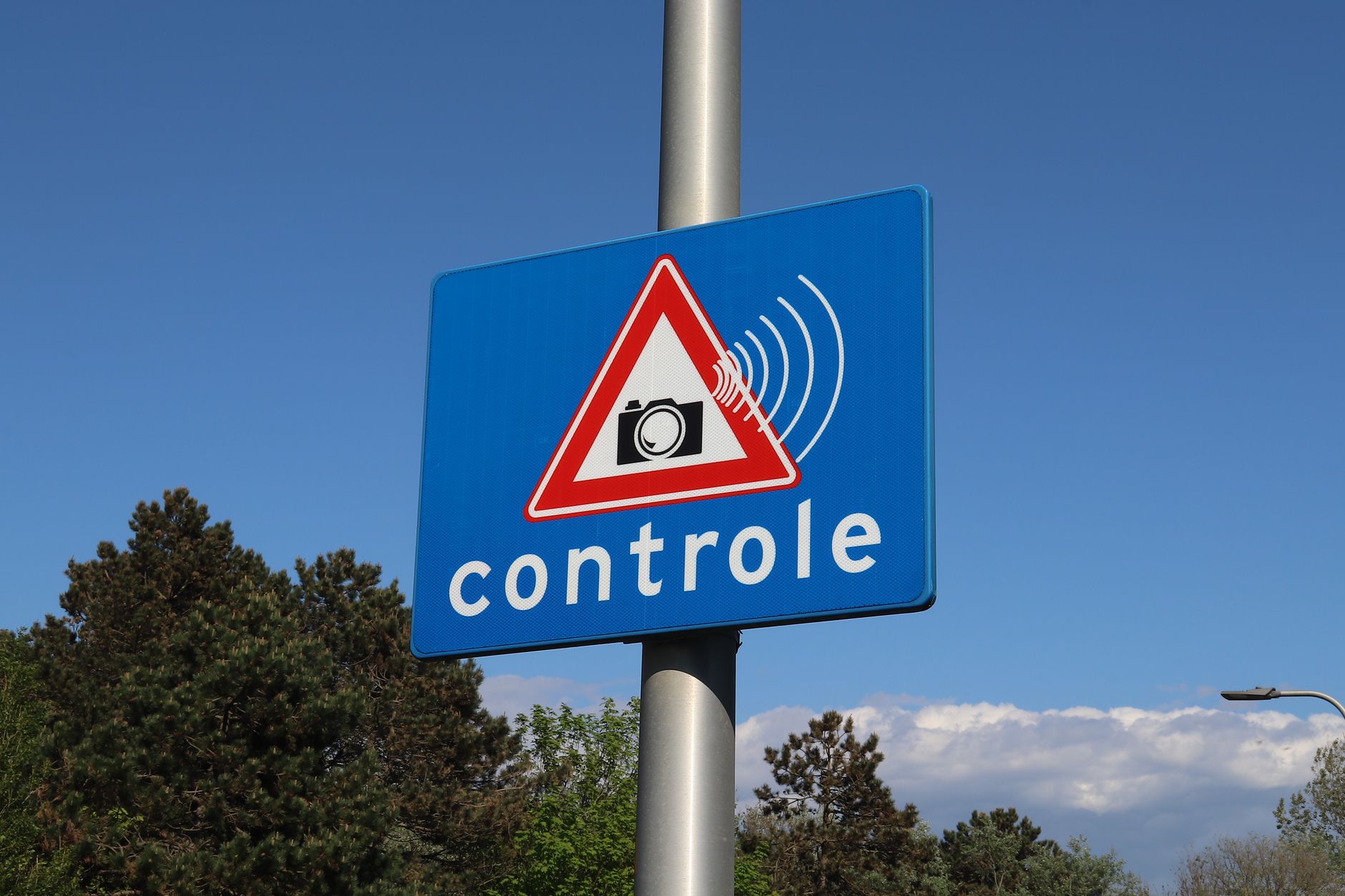
This is not simply a story about catching speeders. The infrastructure being built across British roads and public spaces is considerably more ambitious than that, and the questions it raises about civil liberties, data retention and the nature of life in a democracy deserve a proper examination rather than the usual dismissal of anyone who objects as someone with something to hide.
How far does the network actually reach?
The numbers are genuinely striking. The UK already had one of the densest CCTV networks in the world before Automatic Number Plate Recognition technology became standard. ANPR readers now sit on motorways, A-roads, town-centre gantries, petrol station forecourts, supermarket car parks and police patrol cars. The National ANPR Data Centre, operated by the National Police Chiefs’ Council, processes well over 60 million plate reads every single day. Those reads are stored for up to two years by default, with some retained for longer under specific circumstances.
Average speed camera systems, the kind familiar to anyone who has driven through roadworks on the M1 or the A9 in Scotland, have been in place for over a decade. But the technology has migrated well beyond motorway contraflows. Urban areas including parts of Leeds, Bristol and central London now operate average speed enforcement zones as a matter of routine traffic management. The Congestion Charge zone and its surrounding Low Emission Zone in London are enforced almost entirely through ANPR, generating a continuous picture of which registered vehicles are where, and when.
What data is being kept, and by whom?
This is where the picture gets genuinely murky. Different bodies hold different pieces of the puzzle. The police hold ANPR data. Local councils operating traffic cameras hold their own data. Highways England, now National Highways, holds data from motorway monitoring systems. Private operators of car parks and retail sites hold theirs. There is no single unified policy governing retention periods, access rights or the circumstances under which data can be shared between these various custodians.
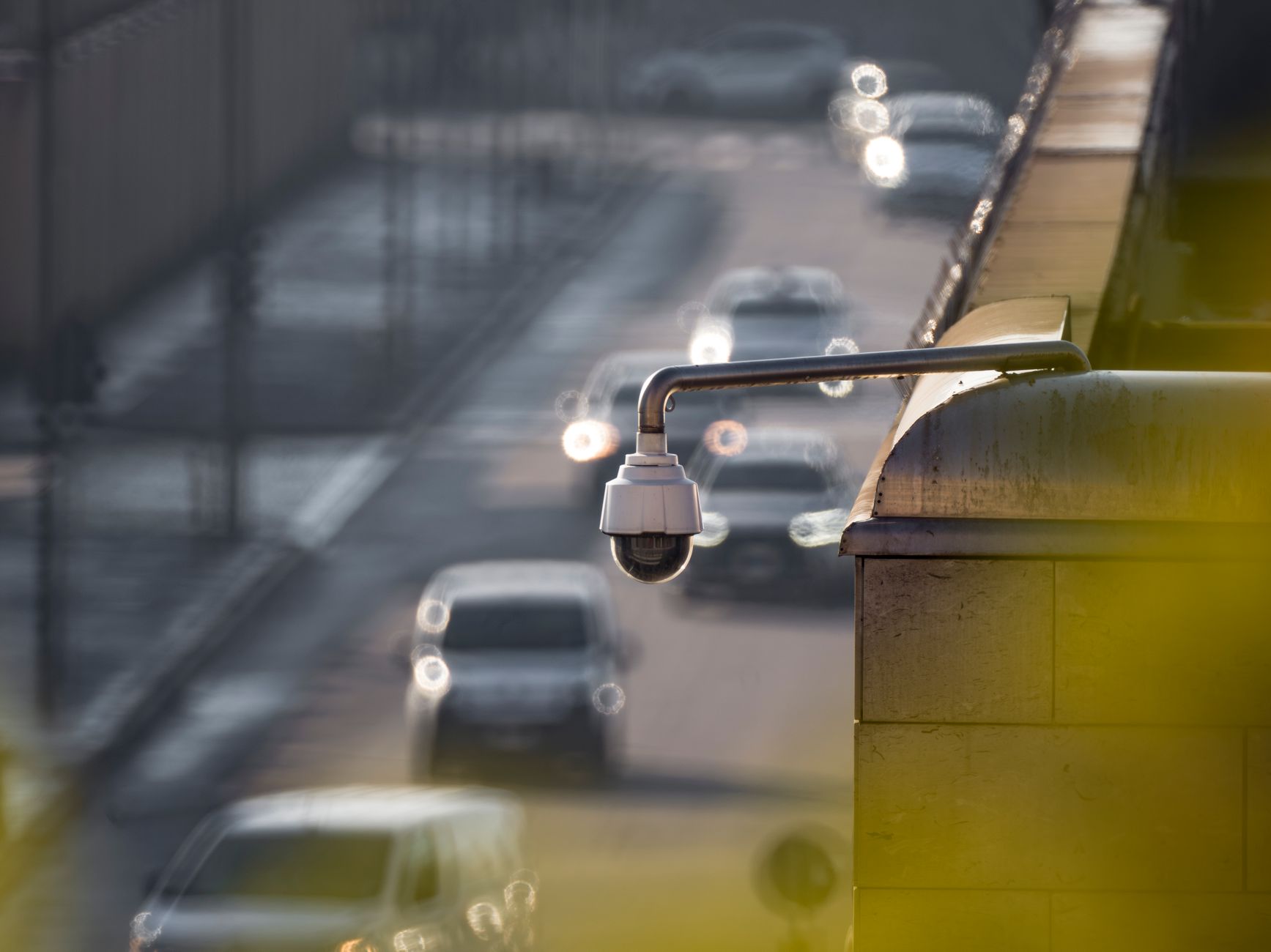
The Information Commissioner’s Office has issued guidance on this, but guidance is not legislation. Civil liberties organisations including Big Brother Watch and Liberty have repeatedly argued that the legal basis for long-term ANPR retention is far weaker than authorities tend to acknowledge. A 2022 ruling by the Court of Appeal found that blanket retention of innocent people’s data by police systems required a stronger justification than had previously been offered. The government’s response was to consult, and then consult again, and the situation in 2026 remains unresolved.
I’ve covered data privacy questions for several years, and what strikes me most is not that surveillance infrastructure exists, but how thoroughly normalised it has become before the public conversation has caught up. The same dynamic is visible in the AI recruitment space: as I noted in coverage of how British employers are using algorithms to screen out candidates before any human sees a CV, systems that affect people’s lives in significant ways are frequently deployed well ahead of any coherent regulatory framework to govern them. Roads are no different.
Is this actually making roads safer?
The honest answer is: partly, and the evidence is mixed in ways that supporters rarely acknowledge. Transport Research Laboratory studies have consistently shown that average speed cameras reduce mean speeds and lower the frequency of collisions in the zones where they operate. On that narrow measure, they work. The contested question is whether they produce genuine safety improvements or simply displace risk, with drivers compensating outside monitored zones, and whether the degree of surveillance required to achieve those gains is proportionate.
Smart motorway enforcement has complicated the picture considerably. Variable speed limits managed by overhead gantries were sold partly as a safety measure, but the absence of a hard shoulder on many stretches created its own serious hazards. Those concerns are examined in a related article, how variable speed limits on uk smart motorways are actually affecting performance car drivers in 2026, which finds that inconsistent enforcement patterns are catching many drivers genuinely off guard rather than deterring deliberate speeding.
That inconsistency is a recurring theme. A system that operates fairly only where a camera happens to be pointed, and that accumulates data on millions of entirely law-abiding journeys in the process, is a peculiar kind of safety measure.
The civil liberties case that isn’t being made loudly enough
The argument made against surveillance sceptics goes roughly as follows: if you obey the law, you have nothing to fear. It is a line that has never really stood up to scrutiny, and it stands up less well the more expansive the monitoring becomes. A database of where your vehicle was at what time on every day for two years is, by any reasonable definition, a detailed record of your private life. Where you worship, which GP surgery you visit, which political meeting you attend, which friend’s house you park outside at what hour: all of this is potentially inferrable from a sufficiently complete ANPR record.
The ICO’s guidance on legitimate interest and data minimisation under UK GDPR sets out principles that, read carefully, sit in considerable tension with blanket two-year retention of every plate read from every innocent driver in the country. The tension has not yet produced a legal challenge that has forced the issue to resolution, but it is a matter of when rather than whether.
What I find most telling is the absence of a serious public debate. The infrastructure has grown incrementally, each addition justified on its own narrow safety or enforcement grounds, without any parliamentary reckoning with the cumulative picture. The same creeping logic has reshaped other parts of British institutional life: consider how questions about access to financial services, explored in the broader story of financial exclusion quietly destroying lives, reveal how systems built for legitimate purposes can produce deeply illiberal outcomes when left to operate without sufficient scrutiny.
What a proportionate system might look like
Enforcement of road safety law is legitimate. Nobody serious argues otherwise. The question is whether a system that logs every journey, retains the data for years, makes it accessible across multiple agencies with varying governance standards, and operates without a coherent legal framework is the only way to achieve that goal. It plainly is not.
Shorter retention periods, genuine data minimisation, clearer statutory authority for inter-agency sharing, and a meaningful parliamentary audit of what the national ANPR estate actually contains would all be reasonable starting points. None of them require abandoning speed enforcement. They require treating the public as citizens with rights rather than as a database to be populated and queried at the convenience of the state.
The cameras are not going away. The technology will only get sharper. Whether the governance around it ever catches up is the more pressing and genuinely open question.
Frequently Asked Questions
How long does the UK police keep ANPR speed camera data?
The National ANPR Data Centre, run by the National Police Chiefs’ Council, retains plate reads for up to two years by default. Some data can be held for longer in specific investigative circumstances, though the legal basis for extended blanket retention has been challenged in court.
Can average speed cameras catch you for things other than speeding?
Average speed cameras primarily enforce speed limits, but the ANPR technology they use can simultaneously flag vehicles with no valid MOT, no insurance or outstanding warrants. Police forces can request access to camera feeds and associated plate data for other purposes under existing legislation.
Are average speed cameras more accurate than fixed speed cameras?
Yes, in practice. Fixed cameras record your speed at a single point, which drivers can manipulate by braking sharply before the camera. Average speed systems calculate your mean speed over a defined distance, making it impossible to game in the same way. This is why they are increasingly preferred by highways authorities.
Leave a Reply