
There is a peculiar irony at the heart of modern Britain. We are more connected than any previous generation in history, with high-speed broadband in 96% of UK premises, social media platforms commanding billions of hours of attention, and instant messaging tools that shrink the globe to a pocket-sized screen. And yet, according to the Office for National Statistics, around 3.83 million adults in England report feeling lonely often or always. Social isolation, it turns out, does not require physical solitude. It merely requires the quiet, persistent sense that nobody is really there.
That feeling has spawned an economy. A vast, sprawling, surprisingly profitable industry has grown up around loneliness, selling companionship, community, and connection to people who can afford to pay for them. From subscription friendship apps to AI companions, from co-living spaces for professionals to paid befriending services for the elderly, the business of belonging is booming. It raises uncomfortable questions: is this ingenuity or exploitation, genuine care or a market making its peace with a structural failure?

What Does Social Isolation Actually Look Like in 2026?
Social isolation is not simply a problem of the old and infirm, though it remains acute in those groups. Post-pandemic shifts in working patterns have fundamentally redrawn the social geography of British life. Roughly 44% of the UK workforce now works remotely at least part of the week, according to figures from the CIPD. The office as a daily social environment has been diminished, perhaps irreversibly. For millions, the commute that once generated friction, banter, and incidental human contact has been replaced by a walk from the bedroom to the spare room.
Young adults aged 16 to 24 now report some of the highest rates of loneliness in the country. This is a demographic that came of age during lockdown, built peer networks through screens, and now finds itself in a workforce where remote norms arrived before they did. The social scaffolding of early adulthood, the shared house, the after-work drinks, the informal mentorship across a desk, has been partially dismantled and not entirely rebuilt.
Then there are the structural contributors. Later marriages, higher divorce rates, rising numbers of single-person households (now over 8 million in England and Wales), and the fragmentation of multi-generational living have all conspired to leave more people without reliable daily human contact. These are not personal failings. They are demographic facts that marketers have been swift to notice.
The Industries Being Built on Disconnection
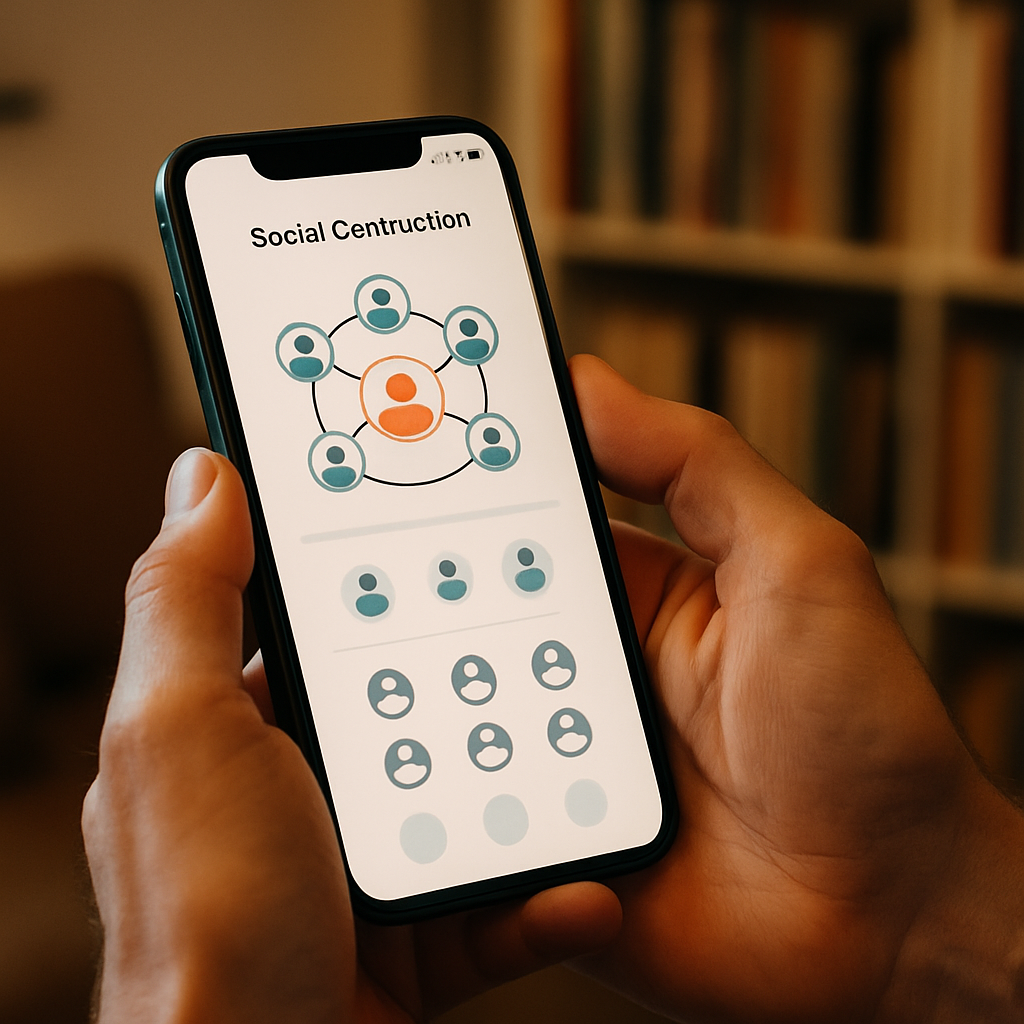
The most visible response to social isolation has been technological. Apps like Bumble BFF, which launched its UK expansion in earnest in 2023 and has since grown substantially, pitch themselves explicitly as friendship platforms rather than dating tools. Subscribers pay monthly fees to access curated matches based on interests, location, and lifestyle. The proposition is blunt: modern life does not generate enough spontaneous friendships, so we will engineer them for you.
AI companionship is the more unsettling frontier. Apps such as Replika have UK user bases running into the hundreds of thousands, offering personalised chatbot relationships that can be configured as friends, mentors, or romantic partners. Proponents argue these tools provide genuine emotional support to those with severe anxiety, mobility issues, or acute isolation. Critics, including a number of NHS psychologists, warn that they risk substituting the complex, reciprocal demands of real relationships with something that mimics intimacy whilst requiring none of it.
The co-living sector has arguably been more thoughtful in its response. Operators like The Collective (before its administration) and newer entrants such as Gravity Co and Linx Living have designed residential products specifically around social infrastructure: communal kitchens, events programmes, curated house rules meant to reduce the awkwardness of strangers sharing space. Monthly rents in London typically run between £1,200 and £2,000 for a private room, but the pitch is not merely accommodation. It is structured community, professionally managed. For young professionals priced out of buying and tired of anonymous flat-shares, the appeal is real.
At the other end of the age spectrum, the befriending services market has grown considerably. Charities like Age UK have long offered telephone befriending, but commercial operators are now entering the space, offering paid companionship visits for elderly people whose families live far away or are simply too busy. The ethics here are delicate. Paying for a companion is not inherently undignified, but it does reflect a society that has partially outsourced the care of its most isolated members to the market.
The Business of Belonging: Who Is Profiting?
The commercial logic is straightforward enough. Social isolation is a pain point that is chronic, widespread, and largely unaddressed by public services. Where the state retreats, or simply fails to act, private enterprise moves in. Mental health platforms, social clubs, experience-based communities, wellness retreats framed around connection; the vocabulary of togetherness has become a marketing category.
Digital agencies and brands building their online presence have noticed too. Community-building has become a primary strategy for audience retention, with businesses investing in Discord servers, membership models, and in-person events designed to foster loyalty through belonging. Even something as technical as link building within digital marketing reflects a broader truth: relationships, whether between people or websites, carry weight. Authority is earned through connection.
The more sophisticated operators in the loneliness economy are building genuine value. The question is whether systemic social isolation can be meaningfully addressed by individual purchasing decisions. Buying a co-living membership or a friendship app subscription treats the symptom. It does not touch the planning decisions that eliminated the high street pub, the housing policies that scatter families across the country, or the workplace norms that stripped out casual human contact.
Can Policy Actually Fix Social Isolation?
The UK government appointed its first Minister for Loneliness in 2018, following the Jo Cox Commission’s report. That gesture attracted global attention and was, in many ways, admirable. What followed was considerably less transformative. Funding for community spaces, libraries, and local services continued to decline across local authorities throughout the early 2020s, precisely the infrastructure most likely to generate organic social connection for people who cannot afford to buy it.
There are glimmers of better thinking. Social prescribing, where GPs refer patients to community activities rather than, or alongside, medical intervention, has expanded within the NHS. Some local councils have invested in high street regeneration specifically framed around social infrastructure: markets, community kitchens, creative workshops. These are promising. But they remain patchy and underfunded against the scale of the problem.
The challenge is that social isolation does not generate the kind of acute crisis that commands headlines. It is a slow bleed: slightly elevated cortisol, slightly reduced life expectancy, slightly higher rates of depression and anxiety spread across millions of individuals, none of whom are dramatically ill, all of whom are quietly diminished. It is, in that sense, the perfect condition for a market to address and a government to overlook.
What Comes Next for Loneliness in Britain
The loneliness economy will not solve social isolation. That is not a cynical observation; it is simply an honest assessment of what markets can and cannot do. But the commercial attention being paid to human disconnection is, in its own way, a signal worth heeding. When people are willing to pay handsomely to feel less alone, something has gone considerably wrong in the fabric of ordinary life.
The more interesting responses will come from architects, planners, employers, and policymakers who take seriously the idea that connection is an infrastructure problem as much as a personal one. The towns and organisations that embed social contact into their physical and procedural design, that treat belonging as a public good rather than a luxury product, will be the ones worth watching. Until then, the apps will keep the subscriptions ticking over, and the market will keep selling us back to ourselves.
Frequently Asked Questions
How many people in the UK suffer from social isolation?
The ONS estimates that around 3.83 million adults in England report feeling lonely often or always. Young adults aged 16 to 24 and older people living alone are among the most affected groups, though loneliness spans all age brackets and demographics.
What is the loneliness economy?
The loneliness economy refers to the growing range of commercial products and services designed to address social isolation, from friendship apps and AI companions to co-living spaces and paid befriending services. It has expanded significantly in the UK since the pandemic reshaped social patterns.
Does the UK government have a policy on loneliness?
The UK appointed the world’s first Minister for Loneliness in 2018, following recommendations from the Jo Cox Commission. Social prescribing within the NHS has since expanded, though critics argue investment in community infrastructure has not kept pace with the scale of the problem.
Are AI companions a safe solution for social isolation?
AI companion apps can offer short-term emotional support, particularly for people with severe anxiety or mobility limitations. However, a number of NHS psychologists have raised concerns that they may substitute the reciprocal demands of genuine human relationships with a simulation of intimacy, potentially deepening long-term isolation.
How much does co-living cost in the UK?
Co-living spaces in London typically charge between £1,200 and £2,000 per month for a private room, which usually includes utilities, communal facilities, and a managed social events programme. Prices are generally lower in cities such as Manchester, Birmingham, and Bristol.