

The most common mistake about Small Business Saturday UK is to treat it as the main event: one day of virtuous spending, a photograph of a tote bag, and a clear conscience until next November. It matters because independents do not live or die on a single Saturday. They survive on the other 364 days, and the headline claims made for local spending deserve a harder look than they usually get.
Shopping locally does help, but by less than the slogans suggest and in different ways. Here are the common beliefs, taken one at a time.
Myth one: every pound spent locally stays local
It does not. The figure most often quoted is a multiplier effect, popularised by the New Economics Foundation’s ‘Local Multiplier 3’ research, which found that money spent with local suppliers circulated more times in an area than money spent with distant ones. The principle is sound. The precise numbers depend heavily on the area and the business, so treat any single figure with scepticism.
A pound spent at an independent grocer still pays for stock that comes from wholesalers, often outside the town. What stays is the share that goes to local wages, the local landlord, the local accountant and the owner’s own spending. That share is usually larger than for a national chain, whose profits and head-office costs flow elsewhere, but it is never the whole pound.
Myth two: independents are always the better choice
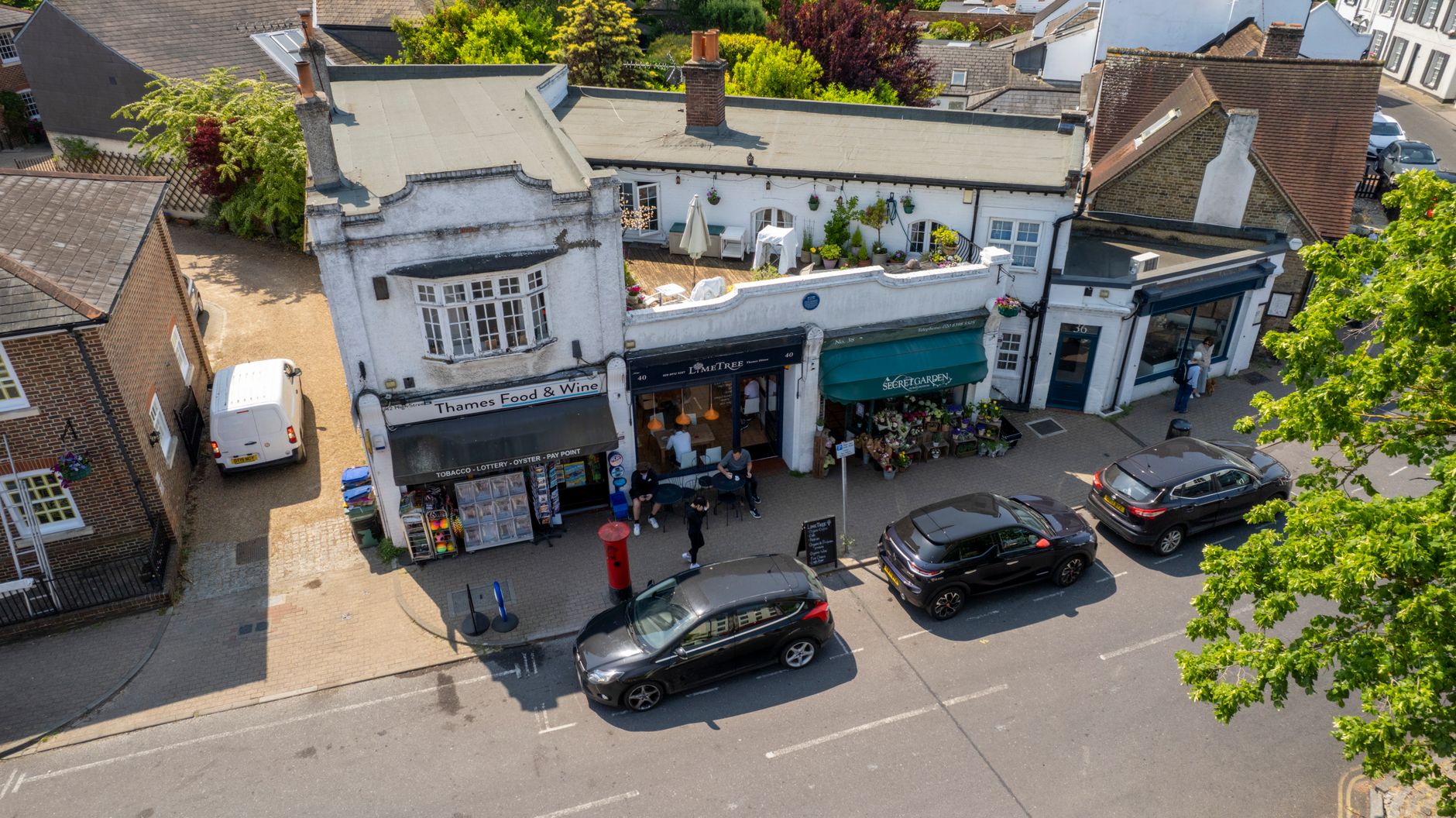
Not automatically. Many chain branches employ local staff on local payrolls and pay business rates to the local council. Some independents buy almost everything from national suppliers and online marketplaces. The useful question is not whether a shop is independent but where its money goes: who it employs, whom it buys from and what it contributes to the street.
That is why I would distrust any campaign that reduces the argument to a binary. A good local economy needs both, and the real danger is the empty unit, not the Costa next door.
Myth three: a single day of shopping makes a difference
Small Business Saturday, run in the UK since 2013 and held on the first Saturday of December, is a genuine and useful prompt. It raises awareness and gives shops a reason to run events. But a lift in footfall on one day does not offset the squeeze on margins from business rates, energy bills and employer costs that independents face all year.
Habit is what counts. If a hundred households each moved a modest slice of their regular spending, the weekly shop, the butcher, the haircut, the birthday present, the effect would dwarf a day of festive enthusiasm.
Does shopping local really help the local economy?
Yes, in three measurable ways: more of the money recirculates through local wages and suppliers, independents tend to keep high streets varied and occupied, and local business owners are more likely to buy services from other local firms. The evidence for the first is the multiplier research above. The second and third are consistent with it but harder to quantify, so I would not oversell them.
What shopping local cannot do is fix prices. Independents often cannot match supermarket or online prices, and it is unreasonable to ask households under pressure to pay a premium out of principle. Backing local should be a choice you can afford, not a penance.

How to support independents beyond one day
Small, repeatable habits work best. Pick the categories where independents are competitive on quality or price, such as fruit and veg, bread, plants, cards, repairs and gifts, and make them your default.
- Buy gift cards or vouchers for local shops and restaurants early in the year, when cash flow is thinnest, not only in December.
- Pay by card or cash without grumbling about minimum spends, but buy directly rather than through a delivery app, which typically takes a commission.
- Leave a specific, honest review. A useful review on Google or a local Facebook group is free marketing that outlasts the day.
- Use local trades and services for the dull things: accountants, cleaners, printers, tailors.
- Order direct from independent makers’ own sites rather than a marketplace where fees eat into their margin.
Helping a local business get found
Reviews are one part of it. Independents also need to be discoverable by people who do not already know them, and many small firms have decent websites that nobody sees. Free Link Directory, a United Kingdom service (freelinkdirectory.co.uk) where businesses can list their website at no cost, is one example of the directories that help a local business get found online, and it is worth a few minutes if you run a shop yourself.
If you are a customer, you can help in the same spirit: share the name of a good local trader in a community group, or tell a neighbour. For owners, a consistent name, address and phone number across every listing and directory makes it easier for search engines to match you to nearby shoppers. Small business owners are often too busy trading to do this, which is why customers who mention them online make a difference.
What to ask for from government and councils
Consumers can only do so much. The structural pressures are business rates, parking charges and the state of the high street itself, and these are set by the Treasury and local councils. You can find details of the support available to small firms on GOV.UK’s business rates pages. Writing to your councillor about parking or empty units can matter as much as your own spending.
My advice is simple: do your shopping on Saturday, by all means, then pick two or three independents and keep going in January, when they need it most.


Leave a Reply