Category: General News

  • Why Kerbside Hygiene Is Becoming a Battleground for British Neighbourhoods

    Why Kerbside Hygiene Is Becoming a Battleground for British Neighbourhoods

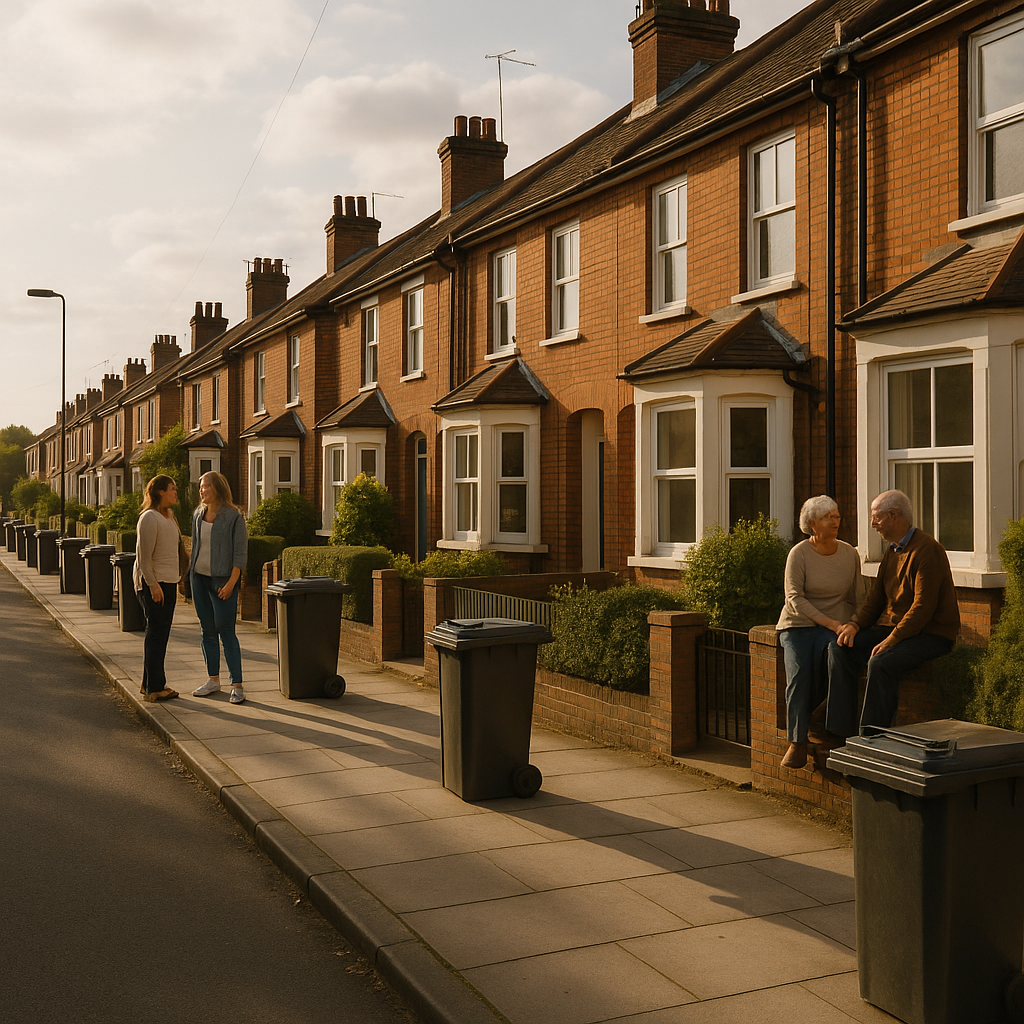
    Kerbside hygiene is quietly becoming one of the defining quality-of-life issues in British neighbourhoods. Once an afterthought, the state of our pavements, bins and communal spaces now sits alongside schools and transport as a key factor in how people judge an area. From tighter local regulations to new specialist services, the humble kerb has moved centre stage.
    Why kerbside hygiene suddenly matters so much

    Several trends have converged to put kerbside hygiene under the spotlight. First, the rise of dense urban living means more households sharing limited outdoor space. Overflowing bins, food waste and litter are more visible and more keenly felt. Second, the growth in home deliveries has dramatically increased packaging waste, putting pressure on recycling systems and collection schedules.

    There is also a cultural shift. Post-pandemic, people are more attuned to cleanliness and odours. Streets that smell fresh and look orderly are no longer a pleasant bonus but an expectation. Estate agents quietly report that prospective buyers now pay close attention to bin stores, alleyways and pavements, sensing that kerbside hygiene is a proxy for how well an area is managed.

    How councils are tightening the rules

    Local authorities have responded with a patchwork of new rules and enforcement measures aimed at improving kerbside hygiene. These typically focus on when bins can be put out, how waste should be sorted and what counts as contamination in recycling.

    Some councils have introduced fines for persistent offenders who leave rubbish out on the wrong days or allow bags to split and spill onto pavements. Others are experimenting with smaller, more frequent collections to reduce the build-up of odours in hot weather. Public reporting apps, allowing residents to log fly-tipping or overflowing street bins, are increasingly common.

    While critics argue that enforcement can feel heavy-handed, supporters point out that clear rules and visible consequences are often the only way to raise standards consistently across a borough.

    The rise of professional kerbside hygiene services

    As expectations climb, many households are turning to specialist companies to help keep communal areas fresh. What began as niche services for large apartment blocks have now filtered down to ordinary streets and suburban estates.

    These businesses tackle the unglamorous but essential jobs that fall between council responsibilities and individual household chores. Regular cleaning of outdoor bins, disinfecting shared paths and treating problem odours are all in growing demand. In some areas, neighbours club together to secure discounted group rates, treating kerbside hygiene as a collective investment in the street’s reputation.

    For example, residents who want to go beyond what their local authority offers can now book dedicated wheelie bin cleaning as part of a broader push to keep their frontage pristine.

    Health, pests and the science of a clean frontage

    these solutions is not only about appearances. Poorly managed waste can attract rats, foxes and seagulls, turning a quiet street into a nightly feeding ground. In warm weather, food residues and liquids left in containers can quickly become a breeding site for flies and maggots.

    Public health specialists emphasise that small, regular interventions are far more effective than occasional blitzes. Rinsing recyclables, keeping bin lids fully closed and promptly dealing with spills all help break the cycle that attracts pests. Where professional cleaning is used, the combination of heat, detergent and disinfection can significantly reduce bacteria and lingering smells.

    these solutions and neighbourhood pride

    Perhaps the most interesting shift is psychological. Streets that maintain high standards of these solutions tend to see other positive behaviours follow. Residents are less likely to drop litter on a spotless pavement. Newcomers quickly understand that this is an area where people notice and care.

    Community groups have seized on this, organising regular clean-up days and working with councils to improve signage and bin placement. Social media groups for local areas are full of before-and-after photos, with residents sharing tips on how to keep frontages tidy and praising neighbours who go the extra mile.


    Council worker advising a resident on improving kerbside hygiene outside their home
    Local residents taking part in a community clean-up to boost kerbside hygiene

    Kerbside hygiene FAQs

    What simple steps can households take to improve kerbside cleanliness?

    Small habits make a disproportionate difference. Rinse food containers before recycling, double-bag particularly messy waste, and ensure bin lids close fully. Put bins out as close to collection time as is practical, rather than leaving them on the pavement for days. Wiping down handles and lids occasionally, and sweeping or hosing the area where bins sit, helps prevent smells and staining from building up.

    Can neighbours work together to raise standards on their street?

    Yes, informal collaboration is often the fastest way to improve a street’s appearance. Neighbours can agree on where bins should be stored, share information about collection days and bulky waste arrangements, and organise occasional tidy-up sessions. Some streets also negotiate group rates with professional cleaning services, which can make regular maintenance more affordable and encourage everyone to participate.

    How do councils typically respond to persistent waste and odour problems?

    Most councils prefer education first, using leaflets, online guidance and direct contact to explain rules around waste presentation and recycling. If problems persist, they may issue warnings or, in more serious cases, fines. In some areas, officers will visit to advise on bin storage, adjust collection points or recommend changes to how waste is sorted. Where structural issues are identified, such as inadequate bin capacity for a block of flats, councils may review container sizes or collection frequency.

  • Automation in woodworking is rapidly changing how UK joinery

    Automation in woodworking is rapidly changing how UK joinery

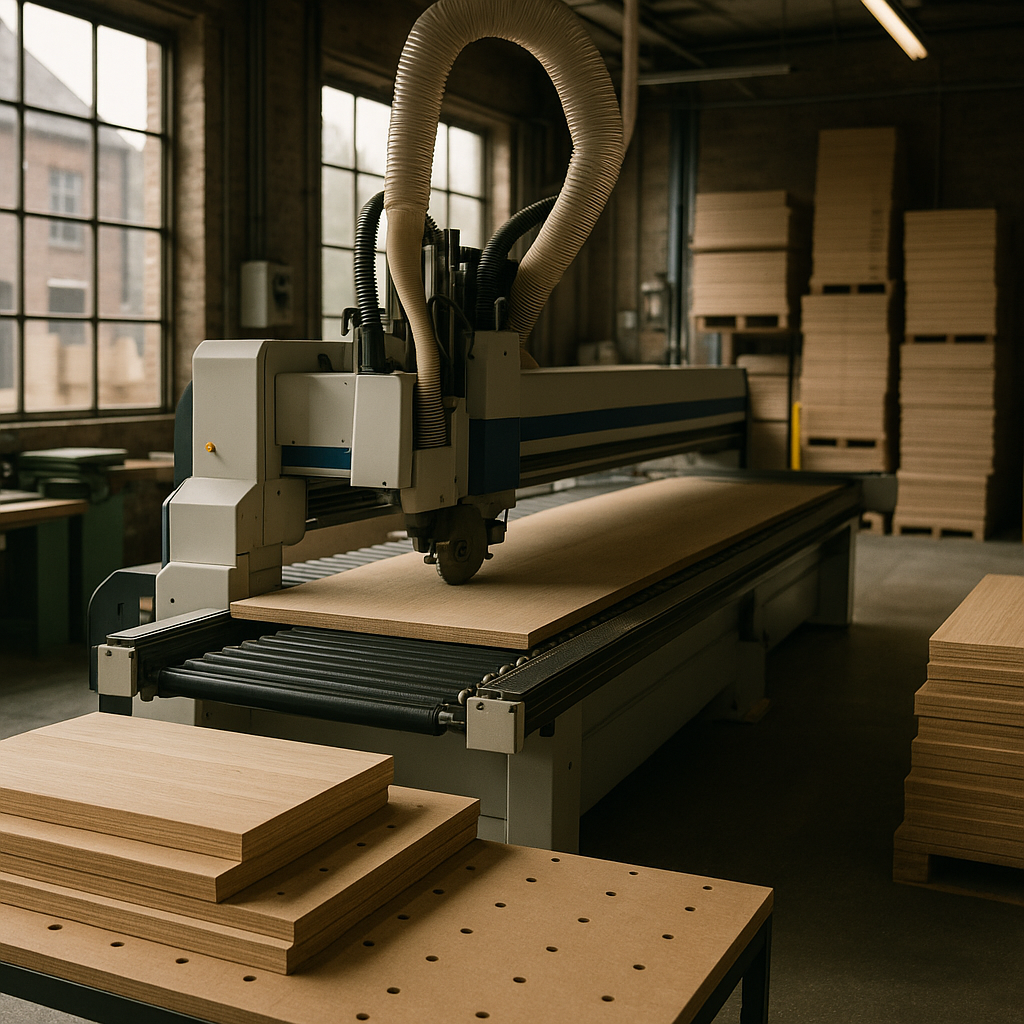
    Automation in woodworking is rapidly changing how UK joinery shops, furniture makers and interior fit-out firms plan, cut and finish timber. What was once the preserve of large factories is now becoming accessible to small and mid-sized workshops, helping them tackle skills shortages, shorter lead times and rising material costs.

    What automation in woodworking really means today

    For many traditional workshops, automation still sounds like robots replacing craftsmen. In reality, modern systems are more about assisting skilled people than removing them. Digital design tools, nesting software, automated material handling and connected cutting machines all work together to reduce repetitive tasks while leaving the critical decisions to experienced makers.

    Instead of pushing sheets through every saw and sander by hand, teams can focus on design quality, problem solving on site and complex bespoke details. The result is a more consistent output, fewer mistakes and a more sustainable use of timber and board materials.

    Key technologies driving automation in woodworking

    Several technologies are converging to make automation achievable for smaller workshops:

    • CAD and CAM integration – Designers can send production-ready files straight to cutting and drilling equipment, reducing the scope for human error.
    • Nesting and optimisation software – Intelligent nesting plans parts to minimise offcuts, which is crucial when boards and hardwoods are so expensive.
    • Automated handling and labelling – Simple conveyors, vacuum lifters and printed labels speed up loading, unloading and sorting components for assembly.
    • Data tracking – Job data can be monitored from quote through to installation, giving owners a clearer view of true costs and bottlenecks.

    These systems can be introduced step by step, rather than all at once, which is important for family businesses looking to modernise without losing their identity.

    Why UK workshops are investing now

    Several pressures are pushing UK joinery and furniture firms to consider higher levels of automation in woodworking. There is a persistent shortage of experienced bench joiners, while demand for fitted kitchens, home offices and bespoke interiors remains strong. Clients also expect shorter delivery times and tighter tolerances than ever before.

    At the same time, energy and material costs are forcing owners to squeeze more value from every sheet of MDF, plywood or solid timber. Automated processes help avoid rework, reduce waste and keep quality consistent even when teams are stretched.

    Many workshops are also responding to growing environmental expectations. Better optimisation and accurate machining reduce scrap, while digital planning makes it easier to evidence responsible use of certified timber products.

    Balancing craftsmanship with automation

    A common concern is that increased automation will dilute the character and individuality of bespoke work. In practice, the most successful shops treat machines as precision tools that free people to focus on the details customers actually notice.

    Routine cutting, drilling and sizing can be handled by automated equipment, while hand finishing, assembly, fitting and problem solving on awkward sites remain firmly in human hands. This balance allows workshops to maintain their reputation for craftsmanship while staying commercially competitive.

    Forward-thinking owners are also using automation to attract younger staff, who are often more comfortable working with digital tools and appreciate a cleaner, safer production environment.

    Planning a gradual move towards automation

    For many small firms, the biggest barrier is not the technology itself but the fear of disruption. A staged approach usually works best. Some start with improved design software and job tracking, then add optimised cutting or drilling capacity once digital workflows are established. Others begin by upgrading a single process that causes frequent bottlenecks, such as panel sizing.

    Careful training, clear work instructions and realistic expectations are vital. The aim is not to transform the workshop overnight, but to build a reliable, repeatable process that supports long term growth. When evaluating equipment, it is worth looking at how well it integrates with existing design tools and whether support and training are available locally.

    For example, businesses exploring advanced cutting and shaping solutions might research specialist suppliers of cnc routers that can slot into a wider digital workflow.

    Craftsperson overseeing automation in woodworking with digital designs next to automated machinery
    Semi-automated workshop showing automation in woodworking alongside traditional furniture assembly

    Automation in woodworking FAQs

  • Sustainable Window Treatments: Innovations Shaping Commercial Spaces

    Sustainable Window Treatments: Innovations Shaping Commercial Spaces

    In recent years, the demand for environmentally responsible solutions has surged across various industries, including commercial interiors. Sustainable window treatments have emerged as a key trend, combining eco-conscious materials with innovative design to create functional and stylish solutions for office buildings, retail environments, and hospitality spaces. This article explores the latest advancements and benefits of sustainable window treatments, highlighting why they are becoming essential in modern commercial design.

    Why Sustainable Window Treatments Matter in Commercial Interiors

    Commercial buildings account for a significant portion of energy consumption worldwide, with heating and cooling systems often being the primary contributors. Window treatments play a crucial role in regulating internal temperatures, reducing glare, and enhancing occupant comfort. By choosing sustainable options, businesses can lower their carbon footprint while improving energy efficiency, which ultimately leads to reduced operational costs.

    The focus on sustainability also aligns with evolving corporate social responsibility goals and increasingly strict building regulations. Employers and building managers are recognising that sustainable window treatments not only contribute to environmental stewardship but also boost tenant satisfaction and workplace wellbeing.

    Innovations Driving these solutions

    Several cutting-edge developments have made these solutions more accessible and effective than ever before. One major advancement is the use of recycled and renewable materials, such as bamboo, organic cotton, and recycled polyester, which reduce reliance on virgin resources and minimise waste.

    Additionally, manufacturers are integrating smart technologies into window coverings. Automated blinds and shades equipped with sensors can adjust in response to sunlight and temperature changes, optimising natural light use and reducing energy demand. These systems can be programmed or controlled remotely, offering convenience alongside environmental benefits.

    Another significant trend is the adoption of coatings and fabrics designed to reflect heat and UV rays without compromising natural light. Such innovations help maintain comfortable interior temperatures year-round and protect furnishings from sun damage, extending their lifespan and reducing replacement frequency.

    Choosing the Right these solutions for Your Commercial Space

    Selecting appropriate these solutions involves considering factors such as the building’s orientation, climate, and specific functional requirements. For example, offices with large south-facing windows may benefit from high-performance solar shades that balance daylight harvesting with glare control.

    It is also essential to evaluate the environmental credentials of products, including certifications like GREENGUARD or OEKO-TEX, which ensure low chemical emissions and safe materials. Partnering with suppliers committed to sustainability can provide valuable guidance and custom solutions tailored to your project’s goals.

    For businesses interested in upgrading their window treatments, exploring options beyond the conventional is vital. For instance, commercial blinds that incorporate eco-friendly materials and technologies offer an excellent blend of durability and environmental responsibility.

    The Future of these solutions in Commercial Design

    As awareness of climate change intensifies, sustainable design practices will continue to evolve. Future developments may include greater use of bio-based materials, enhanced integration with building management systems, and more sophisticated automation capabilities. These advances promise to make these solutions even more effective and user-friendly.

    Ultimately, embracing these solutions represents a proactive step for businesses striving to create healthier, more efficient, and attractive commercial environments. By investing in these innovations today, companies not only contribute to global sustainability efforts but also enjoy long-term operational benefits.

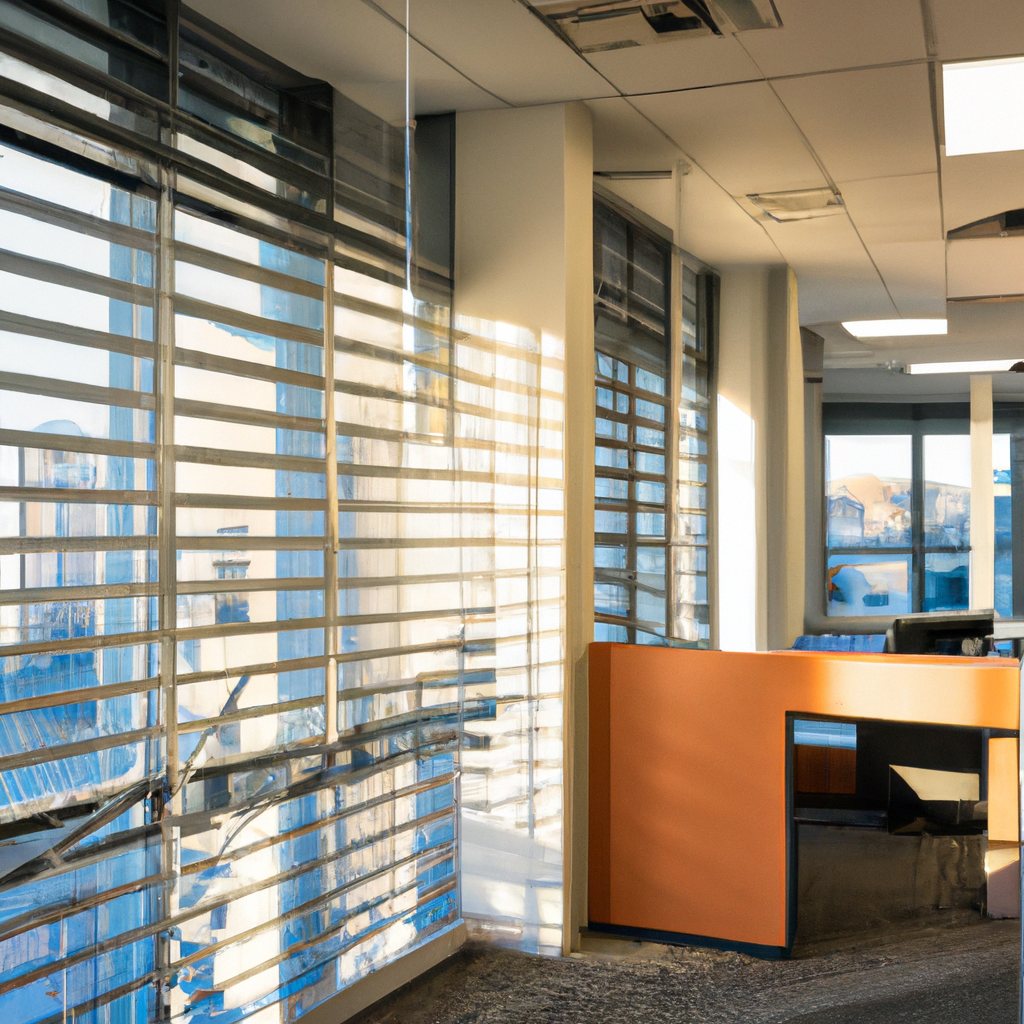
    Eco-friendly sustainable window treatments made from recycled materials in a commercial setting

    Sustainable window treatments FAQs

    What are the benefits of using sustainable window treatments in commercial buildings?

    Sustainable window treatments improve energy efficiency, reduce carbon footprints, enhance occupant comfort, and align with corporate social responsibility goals. They help lower heating and cooling costs by regulating internal temperatures effectively.

    How do smart window treatments contribute to sustainability?

    Smart window treatments use sensors and automation to adjust blinds or shades based on sunlight and temperature, optimising natural light use and reducing the need for artificial heating or cooling. This leads to significant energy savings and increased convenience.

    What materials are commonly used in sustainable window treatments?

    Sustainable window treatments often feature eco-friendly materials such as bamboo, organic cotton, recycled polyester, and fabrics with high-performance coatings that reflect heat and UV rays while allowing natural light.