
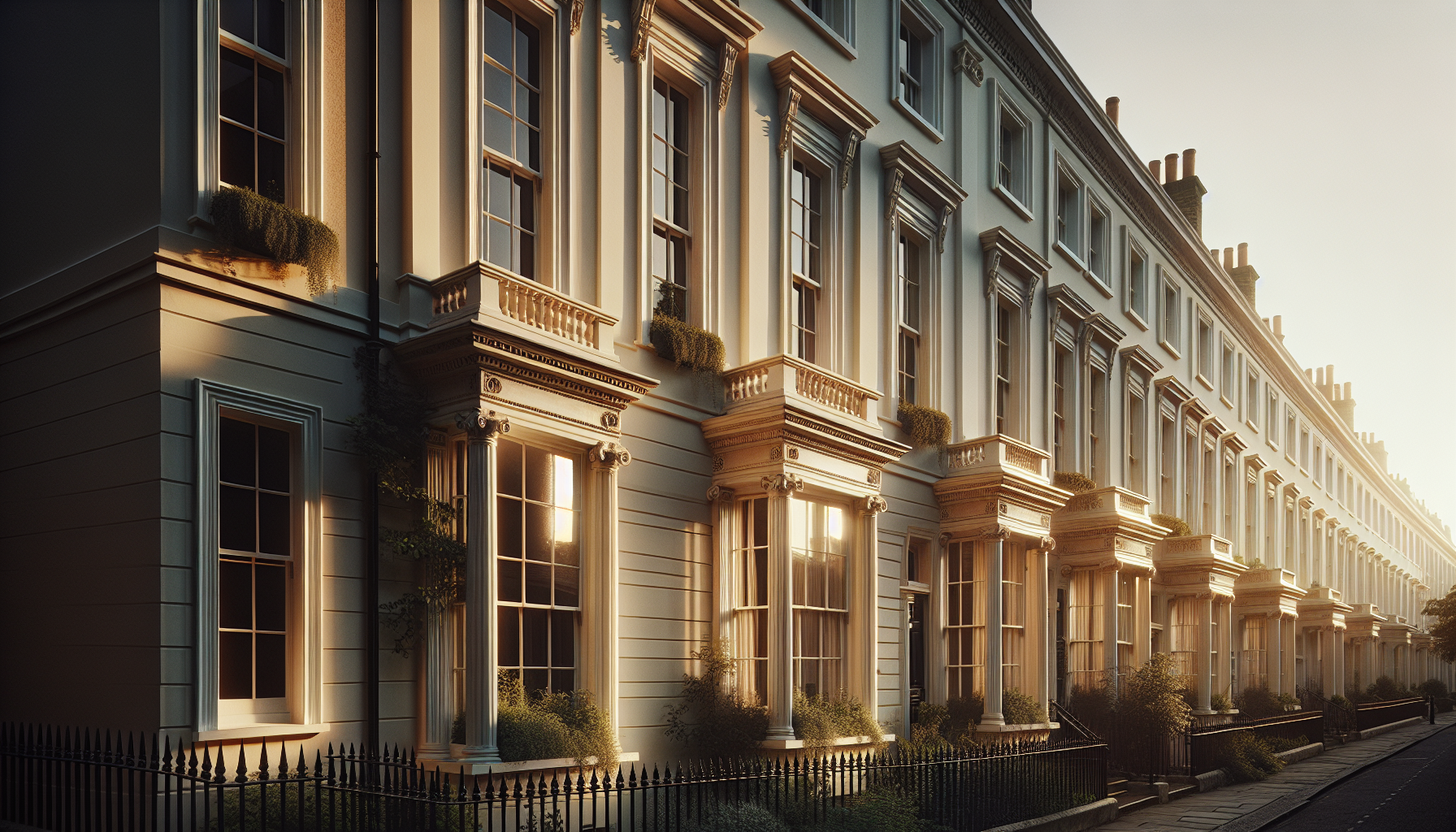
There is a quiet revolution happening on the facades of British homes. Timber sash windows, long considered the preserve of Georgian terraces and Victorian townhouses, are reasserting themselves as a genuine design choice for contemporary living. Not as nostalgic compromise, but as a considered, confident statement about quality, craft, and lasting aesthetic value.
Why Timber Sash Windows Are Back in Demand
The shift is real and measurable. After decades of UPVC dominating the replacement window market on the back of low prices and easy maintenance promises, homeowners are increasingly reconsidering. The reasons are several. UPVC has a finite lifespan and a poor environmental profile. It discolours, warps in extreme heat, and contributes meaningfully to plastic waste. Timber, by contrast, is repairable, recyclable, and when properly maintained, can last well over a century.
There is also the matter of character. A sliding sash engineered from sustainably sourced hardwood or painted softwood simply carries a presence that no extruded plastic profile can replicate. The sightlines are slimmer, the movement more satisfying, and the visual weight far more sympathetic to older building stock. Planners and conservation officers have always known this – which is why UPVC remains banned in many conservation areas. But now buyers outside those zones are choosing timber on preference alone.
What Makes a Sash Window Architecturally Significant
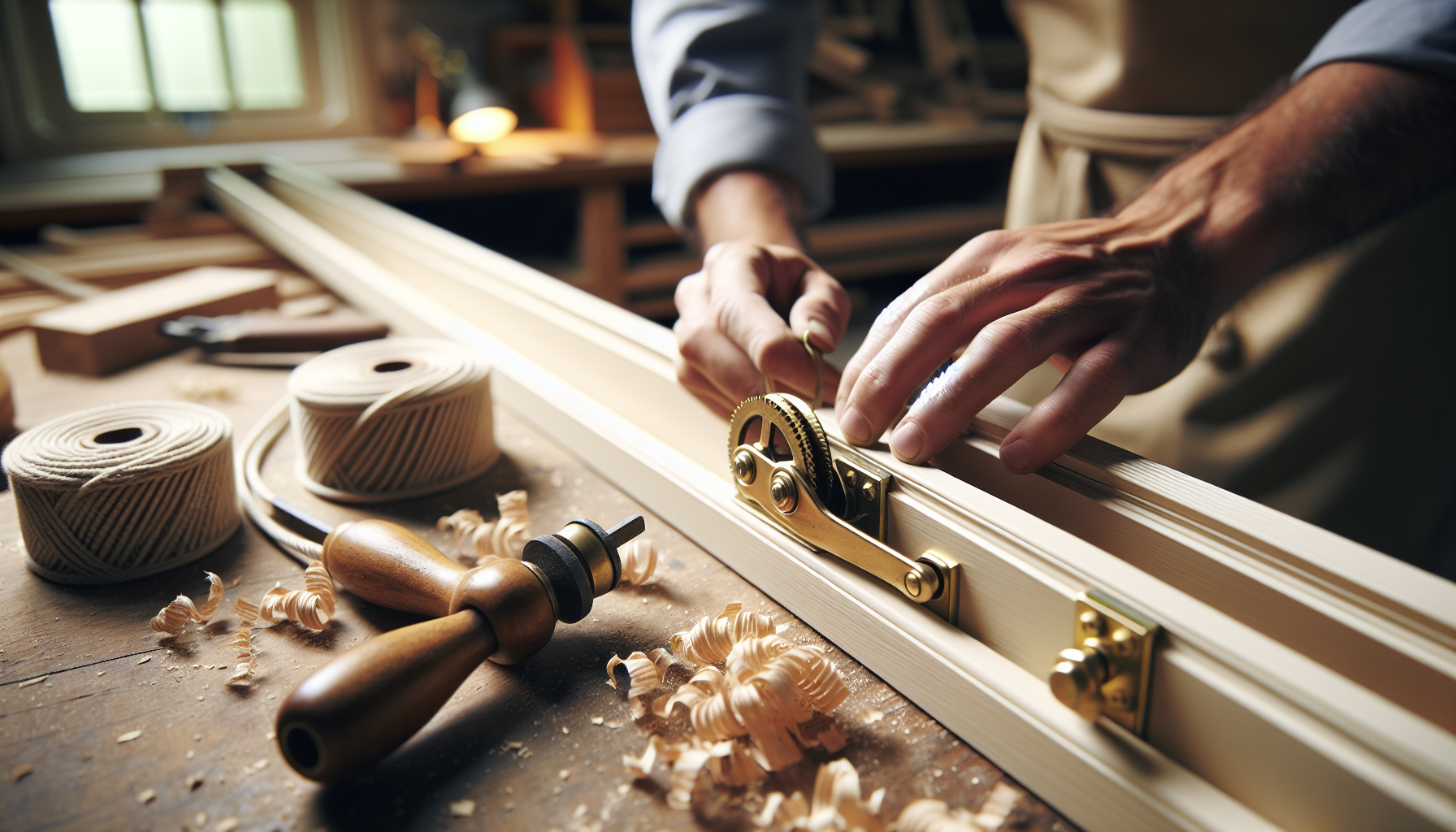
The sliding sash window is one of Britain’s most enduring architectural contributions. Introduced in the late seventeenth century and refined through the Georgian and Victorian eras, it operates on a counterbalance system of cords, pulleys, and weights concealed within the box frame. This mechanism allows both sashes to slide vertically, offering precise ventilation control without the drama of a casement swinging into a room or onto a pavement.
The proportions of timber sash windows are closely tied to the buildings they belong to. Georgian examples tend to feature tall, narrow panes with fine glazing bars and elegant vertical emphasis. Victorian iterations are often more ornate, with sash horns at the meeting rail and thicker astragal mouldings. Getting these proportions right in any restoration or new-build context is not a trivial matter – it is the difference between a window that reads correctly and one that jars.
Modern Timber Sash Windows: Performance Without Compromise
One of the most persistent objections to choosing timber sash windows has been thermal performance. The draughty rattling window is part of folk memory for anyone who grew up in an unmodernised Victorian terrace. Modern joinery, however, has largely resolved this. Draught-proofing systems using brush pile seals are now standard practice, and double-glazed sash windows – engineered with slimline units to retain authentic proportions – are widely available from specialist makers.
Acoustic insulation has also improved significantly. For homes on busy urban roads, a well-fitted double-glazed timber sash can deliver meaningful noise reduction without resorting to the blunt instrument of secondary glazing. The key is precision manufacturing and correct installation – areas where the better joinery companies distinguish themselves sharply from the general building trade.
It is worth noting that regional variation still matters enormously in this market. Styles common in Yorkshire and the North of England, including the yorkshire sliders – a horizontally sliding variant quite distinct from the vertical sliding sash – reflect genuine local building traditions. Understanding which window type is native to a property’s era and region is part of getting the restoration right.
New Builds and Timber Sash: A Surprising Fit
Perhaps the most striking development in the current revival is the uptake of timber sash windows in new residential construction. A growing cohort of architects working in traditional and vernacular styles – from Arts and Crafts-influenced rural homes to urban infill projects designed to respect their Georgian and Victorian neighbours – are specifying timber sash as a first choice rather than a conservation-led obligation.
This reflects a broader shift in taste away from the glass-and-steel minimalism that dominated residential design for two decades. Warmth, texture, and material honesty are back in architectural favour. Timber sash windows deliver all three while also offering a level of thermal mass and natural regulation that sits well alongside other sustainable building approaches.
Maintenance: The Honest Conversation
No discussion of these solutions is complete without addressing maintenance honestly. Timber does require periodic attention. A typical painted softwood sash will need redecoration every five to eight years depending on orientation and exposure. Sash cords and pulleys will eventually need replacement. This is not a reason to avoid timber – it is simply a different relationship with a building material, one that rewards care with longevity rather than demanding disposal and replacement.
Hardwood frames, particularly in Accoya or oak, significantly extend maintenance intervals and are now price-competitive with high-specification softwood alternatives. Many homeowners also find that the periodic rhythm of maintaining timber windows connects them to the fabric of their home in a way that a sealed UPVC unit never could.
Choosing the Right Joinery Specialist
The quality gap between joinery companies working in this space is wide. At the top end, specialist makers will survey in person, manufacture to precise tolerances, and install with the same care given to a bespoke piece of furniture. Lower down, some suppliers offer off-the-shelf profiles that may carry the right general shape but lack the refinement of properly proportioned glazing bars and correctly weighted balances.
For anyone investing seriously in these solutions – whether restoring a listed building or fitting a new extension – the specification conversation is worth having in detail before any order is placed.
Timber sash windows FAQs
Are timber sash windows more expensive than UPVC?
Yes, timber sash windows typically carry a higher upfront cost than UPVC equivalents, often by a factor of two to three for equivalent sizes. However, when you factor in longevity, repairability, and the preservation of property value – particularly in period homes – the long-term cost comparison becomes far more favourable to timber.
Can timber sash windows be double glazed?
Absolutely. Modern timber sash windows are routinely manufactured with slimline double-glazed units that maintain the slim sightlines and authentic proportions of the original design. The units typically use a narrower spacer bar than standard double glazing, which allows the glazing bars to remain in correct proportion without looking bloated or incorrect.
How long do timber sash windows last?
Well-maintained timber sash windows can last well over a century – there are original Victorian examples still in excellent working order today. The lifespan depends on the quality of the timber, the paint system used, and the regularity of maintenance cycles. Hardwood frames in treated species like Accoya can go significantly longer between redecoration than softwood alternatives.
Are timber sash windows suitable for conservation areas?
Timber sash windows are almost always the required or strongly preferred choice in conservation areas and for listed buildings. Local planning authorities typically reject UPVC on the grounds of visual harm to the character of a protected area. Specialist joiners are experienced in working to the proportional and detailing requirements that conservation officers expect.
What is the difference between a sash window and a Yorkshire slider?
A traditional sash window slides vertically, using a counterbalance system of weights and cords within a box frame. A Yorkshire slider, by contrast, slides horizontally – one fixed pane and one that slides sideways behind it. Yorkshire sliders are a distinct regional window type historically common in northern England and are unrelated in their mechanism to the vertical sliding sash, despite both falling under the broad category of sliding windows.
Leave a Reply