
Author: Sophie Davis

  • The Return of Nuclear Power: How a Once-Toxic Energy Source Became the World’s Most Debated Climate Solution

    The Return of Nuclear Power: How a Once-Toxic Energy Source Became the World’s Most Debated Climate Solution

    Thirty years ago, the very mention of nuclear energy in polite company was enough to clear a room. Chernobyl had done its damage. Three Mile Island lingered in the cultural memory. And then Fukushima, in 2011, seemed to seal the verdict for a generation of policymakers. Germany began shutting its reactors. Italy voted against nuclear twice. The narrative was settled: nuclear was the past, renewables were the future, and never the twain should meet.

    That narrative has, rather spectacularly, collapsed. Nuclear power as a climate solution is no longer a fringe position held by contrarian engineers. It is being championed by mainstream environmentalists, endorsed by energy ministers from Tokyo to Brussels, and, perhaps most tellingly, attracting serious private capital for the first time in decades. The question is no longer whether nuclear deserves a seat at the table. It is whether it can arrive quickly enough to matter.
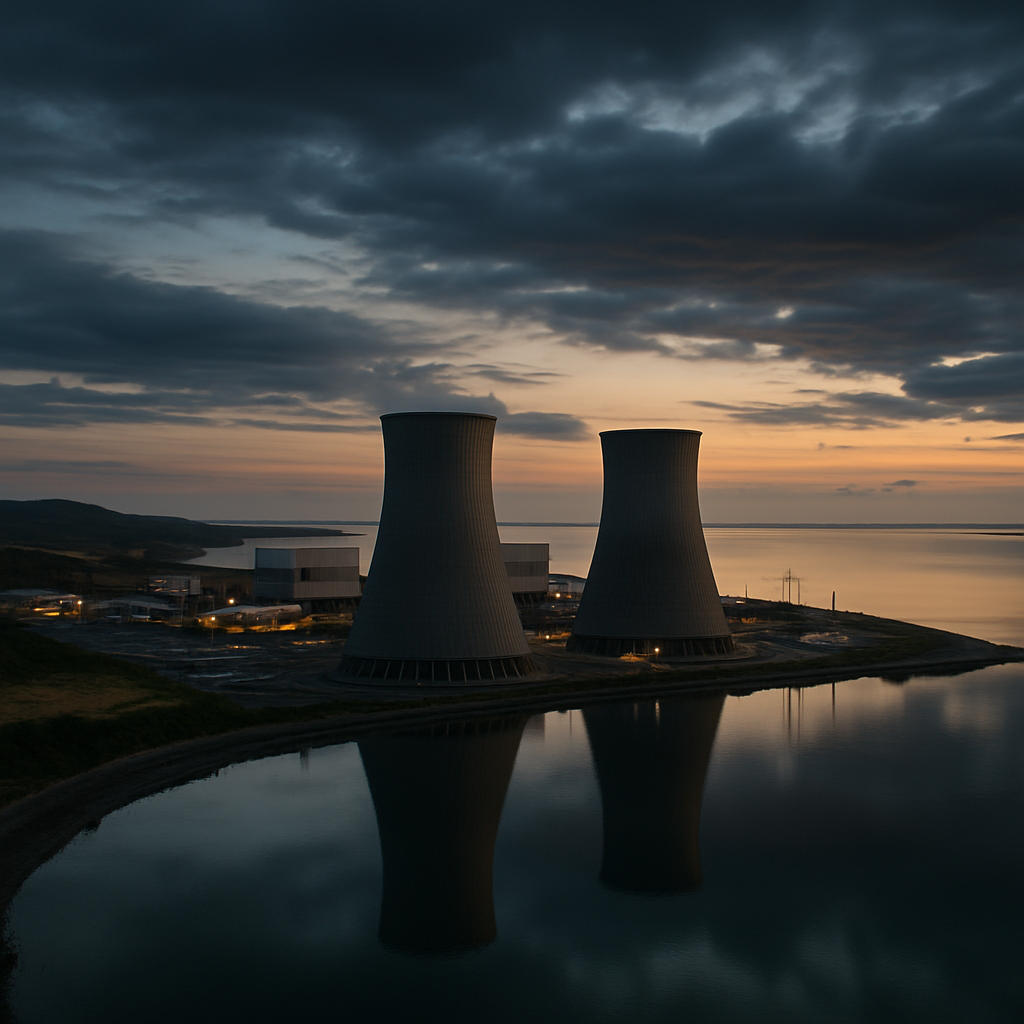
    Aerial view of a British nuclear power station at dusk, relevant to nuclear power climate solution 2026
    Aerial view of a British nuclear power station at dusk, relevant to nuclear power climate solution 2026

    What Changed? The Forces Behind the Nuclear Comeback

    The rehabilitation of nuclear did not happen overnight, and it was not driven by a single catalyst. A confluence of pressures has pushed it back into serious consideration. The most obvious is the sheer scale of the decarbonisation challenge. The International Energy Agency has made clear that reaching net zero by 2050 requires every low-carbon technology available, and solar and wind, for all their extraordinary growth, cannot reliably provide baseload power without storage solutions that remain stubbornly expensive and limited in capacity.

    Then came the energy security crisis triggered by Russia’s invasion of Ukraine in 2022. European nations that had cheerfully imported Russian gas suddenly found themselves scrambling. France, which had quietly maintained around 70 per cent nuclear electricity generation, looked prescient rather than reckless. Belgium reversed its nuclear phase-out. Japan restarted reactors it had shuttered after Fukushima. The geopolitical dimension of energy independence had reasserted itself with brutal clarity.

    In the UK, the government’s commitment to Great British Nuclear and the progress at Hinkley Point C, however painfully delayed and over budget, reflects a genuine political consensus that the country cannot meet its 2050 targets without atomic power in the mix. The Energy Act 2023 created new financing frameworks designed to attract private investment, acknowledging that the old model of wholly public-funded megaprojects is no longer viable.

    Small Modular Reactors: The Technology Everyone Is Watching

    The most consequential development in nuclear technology right now is not another vast, cathedral-scale plant like Hinkley. It is the emergence of Small Modular Reactors, or SMRs. These are factory-built units, typically generating between 50 and 300 megawatts of electricity, that can be assembled on site in a fraction of the time and at a fraction of the cost of conventional reactors.

    Rolls-Royce SMR, based in Derby, is arguably the most advanced programme in this country. The company has proposed building up to ten SMRs across the UK, with ambitions to export the technology globally. The projected cost per unit sits around £2.5 billion, against the £25 billion-plus price tag attached to Hinkley Point C. If those numbers hold, and that remains a significant if, SMRs represent a genuinely transformative proposition.
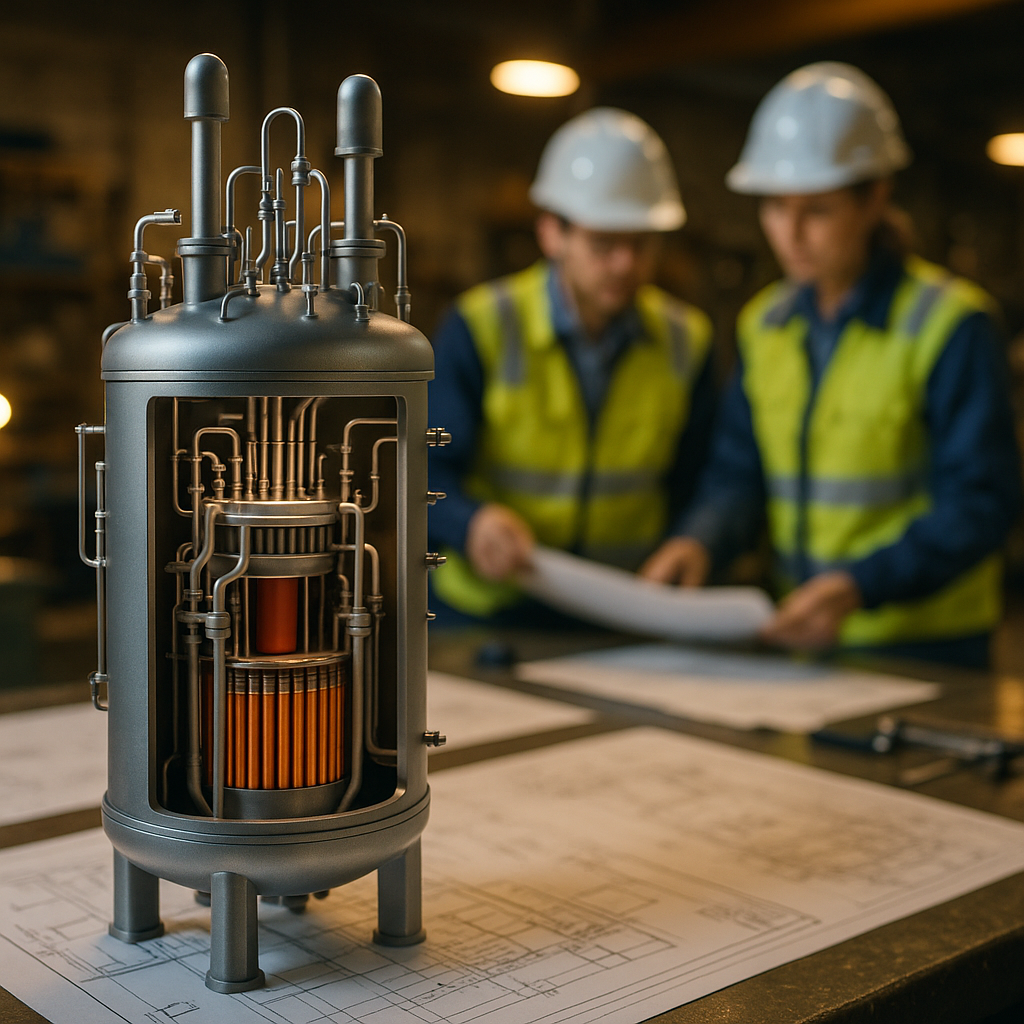
    Engineering model of a small modular reactor being examined, illustrating nuclear power climate solution 2026 technology
    Engineering model of a small modular reactor being examined, illustrating nuclear power climate solution 2026 technology

    Beyond cost, the appeal of SMRs lies in their flexibility. They can be located closer to industrial demand, potentially decarbonising heavy industry, hydrogen production, and district heating networks simultaneously. Several designs under development use advanced fuels and passive safety systems that make the catastrophic failure scenarios of older reactors essentially impossible. NuScale in the United States, Kairos Power, and a cluster of British and European start-ups are all racing to deliver commercial units within this decade.

    The UK Government’s Great British Nuclear programme has already shortlisted several SMR developers, with final investment decisions expected imminently. According to analysis published by the Department for Energy Security and Net Zero, nuclear could supply up to 25 per cent of the UK’s electricity by 2050, with SMRs forming a significant portion of that capacity.

    Has Public Opinion Actually Shifted?

    For decades, public opinion on nuclear was a reliable obstacle. Planning inquiries became battlegrounds. Protests outside proposed sites were guaranteed. The emotional weight of the Cold War, of mushroom clouds and fallout shelters, had permanently contaminated the technology’s image even though commercial nuclear power and weapons are entirely different propositions.

    The shift in sentiment has been measurable. A YouGov poll conducted in early 2025 found that 58 per cent of UK adults now support new nuclear power stations, up from around 40 per cent a decade earlier. Younger respondents, more attuned to the existential urgency of climate change, showed the highest levels of support. The old anti-nuclear coalition has fractured, with a notable cohort of prominent environmentalists, including the writer George Monbiot and the filmmaker Robert Stone, publicly revising their positions.

    This is not universal. Community opposition to specific sites remains fierce, and the unresolved question of long-term waste storage continues to generate legitimate concern. No permanent geological disposal facility yet exists in the UK, though the Nuclear Decommissioning Authority is progressing a siting process. Until that question is answered convincingly, it will remain ammunition for those who argue that nuclear power merely defers its problems rather than solving them.

    The Geopolitics of Nuclear in 2026

    The nuclear renaissance is not playing out in a vacuum. It has a distinct geopolitical character, and that character is increasingly defined by competition between Western democracies and authoritarian states, principally Russia and China, for influence over the global nuclear supply chain.

    Russia’s Rosatom remains the dominant builder of nuclear plants across the developing world, having signed agreements with countries from Egypt to Bangladesh. China’s state-owned enterprises are similarly aggressive in exporting reactor technology, often bundled with financing that creates long-term strategic dependencies. Western governments have belatedly recognised that ceding the nuclear market to these actors carries implications well beyond energy policy.

    There is also the question of uranium enrichment. The UK, along with most Western nations, remains dependent on Russian enriched uranium to a degree that post-Ukraine now looks uncomfortable. Diversifying the fuel supply chain, building domestic enrichment capacity, and investing in next-generation fuels such as high-assay low-enriched uranium are all now matters of national security as much as energy policy.

    The Honest Reckoning: What Nuclear Cannot Do

    Enthusiasm for nuclear power as a climate solution in 2026 must be tempered by a clear-eyed assessment of its limitations. Build times remain the central problem. Even with SMR optimism, no commercial unit will be generating power in the UK before the early 2030s at the most optimistic reading. The climate crisis does not accommodate that kind of lead time gracefully.

    Cost overruns are endemic to the industry. Hinkley Point C, Vogtle in the United States, Flamanville in France: every major nuclear project of the past two decades has delivered unpleasant financial surprises. The industry needs to demonstrate, convincingly and soon, that SMRs can be delivered on time and on budget at scale. That demonstration has not yet happened.

    None of this means nuclear should be abandoned. The most credible energy transition pathways involve a portfolio approach: rapid scaling of renewables, aggressive improvements in storage and grid infrastructure, demand reduction, and a sustained nuclear contribution providing the firm, dispatchable low-carbon power that no other technology currently replicates at meaningful scale. The era of treating nuclear as uniquely beyond the pale, separate from the rational cost-benefit analysis applied to every other technology, is over. Whether the industry can capitalise on its rehabilitation is another matter entirely. The next decade will tell.

    Frequently Asked Questions

    Is nuclear power genuinely a low-carbon energy source?

    Yes. Lifecycle carbon emissions from nuclear power are among the lowest of any electricity source, comparable to offshore wind and significantly below gas or coal. The Intergovernmental Panel on Climate Change (IPCC) consistently classifies it as a key low-carbon technology in its net-zero pathways.

    What is a Small Modular Reactor and how does it differ from a conventional nuclear plant?

    A Small Modular Reactor (SMR) is a factory-manufactured nuclear unit, typically producing 50 to 300 megawatts, compared to the 1,600-megawatt output of a conventional plant like Hinkley Point C. The modular, standardised design aims to reduce build time, lower costs, and allow deployment at more locations, including industrial sites and former fossil fuel power stations.

    What is the UK government doing about nuclear energy in 2026?

    The UK Government’s Great British Nuclear programme is actively supporting both large-scale plants and SMR development. Rolls-Royce SMR has been shortlisted for funding, and the government has set a target for nuclear to supply up to 25 per cent of UK electricity by 2050. Hinkley Point C in Somerset remains under construction, with Sizewell C in Suffolk in the planning stages.

    What happens to nuclear waste in the UK?

    Nuclear waste in the UK is stored and managed by the Nuclear Decommissioning Authority. Radioactive waste ranges from low-level material, such as protective clothing, to high-level spent fuel rods. The government is progressing plans for a Geological Disposal Facility, a deep underground repository, though a final site has not yet been confirmed.

    Has public support for nuclear power in the UK increased?

    Yes, notably. Polling from 2025 showed that around 58 per cent of UK adults support the construction of new nuclear power stations, a significant rise from the figures recorded a decade ago. Growing concern about energy security following the Ukraine conflict and heightened awareness of climate change have both contributed to the shift in public sentiment.


  • Microplastics Are Inside All of Us, Here Is What the Latest Science Says You Should Do About It

    Microplastics Are Inside All of Us, Here Is What the Latest Science Says You Should Do About It

    It is, by any measure, one of the more unsettling findings of the modern scientific era. Researchers have now confirmed the presence of microplastics in human blood, lungs, placentas, breast milk, and most recently, the walls of the heart. We are not talking about trace anomalies detectable only in laboratory conditions. A study published in the journal Environment International found plastic particles in the blood of 77 per cent of participants tested. The question is no longer whether microplastic contamination is happening inside us. The question is what, precisely, it is doing there.

    This is a field moving at extraordinary speed. What scientists knew with confidence two years ago now feels like the opening chapter of a far longer and more troubling story. The latest research is beginning to map not just the presence of these particles but their biological behaviour, and the implications are significant enough to warrant serious attention from anyone interested in their own health.

    Scientist examining evidence of microplastic contamination under a microscope in a UK research laboratory
    Scientist examining evidence of microplastic contamination under a microscope in a UK research laboratory

    What Are Microplastics and How Do They Enter the Body?

    Microplastics are fragments of plastic less than five millimetres in diameter, though many of the particles studied in human tissue are nanoscale, meaning they are invisible to the naked eye. They originate from the degradation of larger plastic items, from synthetic textiles, from plastic packaging, from tyres, from cosmetics, and from industrial processes. They enter the body primarily through ingestion and inhalation, though dermal absorption is also being investigated as a secondary route.

    The average person in the UK is estimated to consume roughly five grams of plastic per week, equivalent in mass to a credit card, according to research commissioned by WWF. Much of that arrives through drinking water, whether from the tap or bottled. Seafood is a significant vector. So is the simple act of heating food in plastic containers or drinking from plastic cups. The air inside most British homes contains measurable levels of airborne plastic fibres, shed from upholstered furniture, synthetic carpets, and clothing made from polyester or nylon.

    What the Latest Research on Health Implications Shows

    The 2024 and 2025 literature on microplastic contamination has produced findings that are difficult to dismiss. A landmark study published in the New England Journal of Medicine examined patients undergoing surgery for carotid artery disease and found those with microplastics present in their arterial plaque had a significantly higher risk of heart attack, stroke, and death within three years compared to those without. This is the first study to link microplastic presence in human tissue directly to hard clinical outcomes rather than simply noting accumulation.

    Separately, research from the University of Hull has examined the inflammatory response triggered by certain plastic particles in lung tissue. Polyethylene and polystyrene fragments appear to provoke a persistent low-grade inflammatory reaction that mirrors, in some respects, the kind of chronic inflammation associated with elevated risk of respiratory disease and certain cancers. Endocrine disruption is another axis of concern: several chemical additives leached by plastics, including phthalates and bisphenol A, are well-established hormone disruptors, and the evidence that plastic particles themselves may carry these compounds into deep tissue is mounting.

    What scientists are careful to emphasise is that causal mechanisms in humans are still being established. The correlations are striking. The biological plausibility is strong. But the field is honest about the fact that long-term population studies are still in relatively early stages. That said, the direction of travel in the evidence is, by most accounts, concerning rather than reassuring.

    Glass of filtered water on a British kitchen counter, an everyday step to reduce microplastic contamination
    Glass of filtered water on a British kitchen counter, an everyday step to reduce microplastic contamination

    How to Reduce Microplastic Exposure: Evidence-Based Steps

    Eliminating microplastic contamination entirely from modern life is not realistic. But the evidence does support meaningful reductions through targeted behavioural changes, and given what we now know about accumulation dynamics, reducing exposure from multiple vectors simultaneously is likely to have a compounding benefit.

    Switch to filtered tap water and avoid plastic bottles

    Bottled water, paradoxically, contains significantly higher concentrations of microplastics than properly filtered tap water. A study by researchers at Columbia University found an average of 240,000 plastic particles per litre in tested bottled water, most of them nanoplastics shed from the bottles themselves. Installing a quality under-sink filter with a pore size small enough to capture nano-scale particles, or using a certified filter jug, reduces exposure substantially. If you drink a lot of hot beverages, avoid paper cups: the inner lining is plastic, and heat accelerates particle release.

    Rethink how you heat and store food

    Never heat food in plastic containers, even those labelled microwave-safe. That designation relates to structural integrity, not to whether the plastic leaches particles into food when heated. Transfer leftovers to glass, ceramic, or stainless steel before reheating. Cling film should not be in contact with food during microwaving. Swap plastic chopping boards for wood or glass: a used woodworking machinery enthusiast building their own hardwood boards at home is, rather satisfyingly, making a genuinely health-conscious choice.

    Improve indoor air quality

    Airborne microplastics in the home come largely from synthetic textiles and carpets. Vacuuming regularly with a HEPA-filter vacuum, opening windows to improve ventilation, and choosing natural fibre furnishings where possible will reduce airborne particle counts. Washing synthetic clothing in a microplastic-catching laundry bag, such as those made by Guppyfriend, prevents fibres entering waterways and reduces the dispersal of particles into the home environment during washing.

    Reduce dietary exposure through food choices

    Seafood, particularly shellfish consumed whole, carries the highest dietary microplastic burden. That does not mean abandoning it entirely, but awareness is useful. Salt, honey, and beer have all been found to contain particles. Choosing foods packaged in glass, cardboard, or not packaged at all, particularly for acidic foods that accelerate plastic leaching, is a pragmatic and relatively low-effort adjustment.

    What the UK Government and Public Health Bodies Are Saying

    The UK Health Security Agency has acknowledged the growing body of evidence on microplastic contamination, though official guidance remains cautious pending more conclusive long-term studies. The Food Standards Agency published a research review noting that whilst current dietary exposure levels are unlikely to cause acute harm, chronic accumulation effects are not yet fully understood and warrant ongoing monitoring. That is the measured language of public health bodies navigating genuine scientific uncertainty. It should not be read as reassurance that the situation is without concern.

    The broader regulatory picture in the UK involves a gradual tightening of restrictions on single-use plastics and plastic packaging, with further measures expected under the extended producer responsibility framework. These are structural changes that will take years to alter the volume of plastic in circulation. Individual action, in the meantime, remains the most direct lever available.

    The Bigger Picture: A Crisis That Demands Structural Change

    Personal mitigation is valuable. But it is worth being clear-eyed about the scale of what we are dealing with. Microplastics have been found in the deepest ocean trenches, in Arctic ice cores, and in rainwater collected above remote mountain ranges. They are a systemic consequence of six decades of plastic production without adequate consideration of end-of-life dispersal. The UK produces roughly 1.7 million tonnes of plastic waste annually, according to the British Plastics Federation. Even the most conscientious individual choices operate against that backdrop.

    The science of microplastic contamination is moving faster than policy. What it is telling us, with increasing confidence, is that the particles accumulating in human tissue are not biologically inert. Addressing that will require action at every level, from the choices made in individual kitchens to the regulatory frameworks governing how plastic is manufactured, used, and disposed of. The evidence is now too substantial to defer either the concern or the response.

    Frequently Asked Questions

    Are microplastics really found inside the human body?

    Yes. Scientific studies have confirmed microplastics in human blood, lungs, liver, kidneys, placentas, breast milk, and arterial plaque. A 2022 study found plastic particles in the blood of 77 per cent of participants tested, and more recent research has linked accumulation in arterial tissue to increased cardiovascular risk.

    What are the most concerning health effects of microplastic contamination?

    The most significant recent finding links microplastics in arterial plaque to higher rates of heart attack and stroke. Researchers are also investigating chronic inflammation, endocrine disruption caused by chemical additives in plastics, and potential impacts on immune function, though causal mechanisms in humans are still being established.

    How can I reduce my microplastic exposure at home?

    Key steps include filtering tap water rather than drinking from plastic bottles, avoiding heating food in plastic containers, vacuuming regularly with a HEPA-filter vacuum, and choosing natural fibre textiles where possible. Switching to glass, ceramic, or stainless steel food storage makes a measurable difference.

    Is bottled water worse than tap water for microplastics?

    Yes, research consistently finds higher microplastic concentrations in bottled water than in filtered tap water, largely because plastic particles shed from the bottles themselves. Using a quality tap filter or certified filter jug is a more effective and environmentally sound alternative.

    What foods contain the most microplastics?

    Shellfish consumed whole carry the highest dietary burden, as the digestive systems where plastics accumulate are eaten along with the flesh. Sea salt, honey, and beer have also tested positive for particles. Foods stored or heated in plastic packaging tend to have higher contamination levels than those in glass or unpackaged alternatives.

  • Quantum Computing Goes Commercial: What Every Business Leader Needs to Understand Right Now

    Quantum Computing Goes Commercial: What Every Business Leader Needs to Understand Right Now

    For most of the past two decades, quantum computing occupied a peculiar limbo: staggering in theoretical promise, perpetually five years from maturity. That waiting room is now empty. Across finance, pharmaceuticals and cybersecurity, quantum computing commercial applications in 2026 are arriving not as pilot curiosities but as competitive infrastructure. The question for business leaders is no longer whether to pay attention. It is whether they are already too late.

    This is not a piece about qubits and superposition in the abstract. Those explanations exist in abundance, and most of them are useless to a chief executive trying to understand what the technology means for their balance sheet. What follows is a frank assessment of where quantum capability sits right now, which industries are being changed first, and what the practical implications are for British businesses operating in a world that is quietly recalibrating around this shift.

    Modern data centre illustrating quantum computing commercial applications 2026
    Modern data centre illustrating quantum computing commercial applications 2026

    Why 2026 Marks a Genuine Inflection Point

    Quantum computers exploit quantum mechanical phenomena to process certain classes of problem at speeds that classical computers cannot match. IBM’s latest processors now exceed 1,000 qubits in some configurations. Google’s Willow chip, unveiled in late 2024, demonstrated error correction at scale that the research community had been waiting years to see. Microsoft, meanwhile, has committed significant resource to topological qubits, which promise greater stability in real-world conditions.

    But hardware alone does not explain the inflection. What has changed in 2026 is the software layer. Cloud-accessible quantum platforms from IBM Quantum, Amazon Braket and Microsoft Azure Quantum mean that a hedge fund in Canary Wharf or a pharmaceutical research team in Cambridge can run quantum algorithms without owning a single cryogenic unit. Access has been democratised; the barrier is now talent and strategic intent, not capital expenditure on equipment.

    The UK government recognised this shift early. The National Quantum Strategy, backed by £2.5 billion of public investment over ten years, has made Britain one of the more credible Western nations in this race. That investment is now producing commercial returns, not merely academic papers.

    What Quantum Computing Actually Does in Finance

    Portfolio optimisation is the use case that financial institutions understood first. Classical computers struggle to evaluate millions of asset combinations simultaneously when seeking an optimal risk-adjusted return. Quantum algorithms, particularly those derived from quantum annealing, can explore that solution space far more efficiently.

    HSBC, Barclays and several major asset managers have been running quantum optimisation pilots for a number of years. By 2026, some of these have graduated from experiment to operational tool. Monte Carlo simulations, which underpin options pricing and risk modelling, are another target. Quantum-enhanced Monte Carlo methods can, in principle, produce the same statistical accuracy with exponentially fewer iterations.

    Fraud detection is a less-discussed but equally significant application. The pattern recognition demands of real-time transaction monitoring across millions of accounts simultaneously are precisely the kind of problem where quantum machine learning architectures show genuine advantage over classical approaches. British fintechs working with the FCA’s regulatory sandbox have begun stress-testing quantum fraud models in controlled environments.

    Pharmaceutical researcher using quantum computing commercial applications for molecular simulation
    Pharmaceutical researcher using quantum computing commercial applications for molecular simulation

    Pharmaceuticals: Where Quantum Simulation Changes Everything

    Drug discovery is, at its core, a chemistry problem. Modelling how a candidate molecule will interact with a biological target requires simulating quantum mechanical behaviour at the atomic level. Classical computers approximate this, often poorly. Quantum computers can simulate it directly.

    The implications are significant. AstraZeneca, based in Cambridge, has been collaborating with quantum computing firms to accelerate molecular simulation workflows. The goal is not to replace medicinal chemists but to dramatically reduce the time and cost of identifying viable drug candidates before expensive clinical trials begin. If quantum simulation can eliminate even one failed trial from a pipeline, the financial saving runs into hundreds of millions of pounds.

    Protein folding, materials science for drug delivery, and personalised medicine dosage modelling are adjacent areas where quantum computing commercial applications in 2026 are beginning to show measurable laboratory returns. The NHS’s long-term interest in genomic medicine means British healthcare institutions have both the data and the motivation to integrate quantum-enhanced analysis as the tools mature.

    Cybersecurity: The Threat and the Solution Arrive Together

    This is the area where business leaders most urgently need to update their understanding, and it is also the area most prone to misrepresentation. Quantum computers pose a genuine long-term threat to current encryption standards. RSA and elliptic curve cryptography, which protect the majority of internet communications and financial transactions, are mathematically vulnerable to sufficiently powerful quantum machines running Shor’s algorithm.

    The timeline for that threat is contested. Most credible estimates place cryptographically relevant quantum attacks a decade away at minimum. But the risk is not hypothetical in the way it was five years ago. Nation-state actors are already harvesting encrypted data today with the intention of decrypting it once the hardware exists. The National Cyber Security Centre (NCSC) has issued guidance urging organisations handling sensitive long-term data to begin post-quantum cryptography migration now, not when the threat fully materialises.

    The other side of this is that quantum key distribution (QKD) offers communication security guaranteed by physics rather than computational difficulty. BT has been trialling QKD networks in the UK, and the technology is moving towards commercial deployment for high-security applications in government and financial services. Quantum computing, in this sense, is simultaneously the most significant cybersecurity threat and the foundation of the most robust security architecture ever conceived.

    For more detail on the government’s current guidance, the NCSC’s post-quantum cryptography guidance is required reading for any technology or risk officer in a British organisation.

    What Business Leaders Should Actually Do Now

    The practical answer is not to purchase a quantum computer. It is to understand which problems in your business are computationally intensive enough to benefit from quantum advantage, and to begin building the organisational capacity to exploit that advantage when it arrives at scale.

    Start with a quantum readiness audit. Map the optimisation, simulation and classification problems your business currently solves with classical computing. Identify which of those have scale limitations that constrain business performance. That is your quantum opportunity map. Then identify talent. Universities including Oxford, Bristol and UCL now produce quantum computing graduates who understand both the physics and the commercial context. The competition for this talent is already intense.

    Engage with the cloud quantum platforms available today. Running exploratory workloads on IBM Quantum or Azure Quantum costs relatively little and builds genuine institutional literacy. The organisations that will extract the most value from quantum computing commercial applications in 2026 and beyond are not those with the largest budgets. They are those who started learning three years ago and have not stopped.

    The era of deferring quantum strategy to a future agenda item is, quietly and rather definitively, over.

    Frequently Asked Questions

    What are the most practical quantum computing commercial applications in 2026?

    The most mature commercial applications in 2026 are portfolio optimisation in finance, molecular simulation in drug discovery, and post-quantum cryptography migration in cybersecurity. These areas are seeing real deployment, not just pilot projects, particularly among large financial institutions and pharmaceutical firms.

    Do you need to buy a quantum computer to benefit from quantum computing?

    No. Cloud-based quantum platforms from IBM, Microsoft Azure Quantum and Amazon Braket allow organisations to run quantum algorithms on remote hardware for a fraction of the cost of ownership. Most businesses engaging with quantum today are doing so via these cloud services.

    How soon will quantum computers break current encryption?

    Most credible technical estimates place cryptographically significant attacks at least a decade away, though this timeline is contested. The NCSC recommends British organisations begin post-quantum cryptography migration now, particularly those holding sensitive data with long-term confidentiality requirements.

    How is the UK positioned in the global quantum computing race?

    The UK is among the stronger Western nations in quantum research and commercialisation, supported by a £2.5 billion National Quantum Strategy over ten years. Institutions including Oxford, Bristol and UCL, alongside firms such as BT and major pharmaceutical companies, are active in both research and early commercial deployment.

    What should a business leader do first to prepare for quantum computing?

    Begin with an internal audit identifying computationally intensive problems where classical computers hit scale limitations. Then build familiarity through cloud quantum platforms and consider hiring or partnering with quantum computing specialists. Starting now, even at a small scale, creates meaningful advantage over organisations that wait.