Category: Health & Beauty

  • How Remote Health Monitoring Is Quietly Reshaping Everyday Care

    How Remote Health Monitoring Is Quietly Reshaping Everyday Care

    Remote health monitoring has moved from novelty to necessity, quietly reshaping how patients, clinicians and health systems think about everyday care. Once confined to specialist clinics, connected devices and digital dashboards now sit in living rooms and on wrists, tracking everything from heart rhythms to sleep quality.
    What is remote health monitoring in practice?

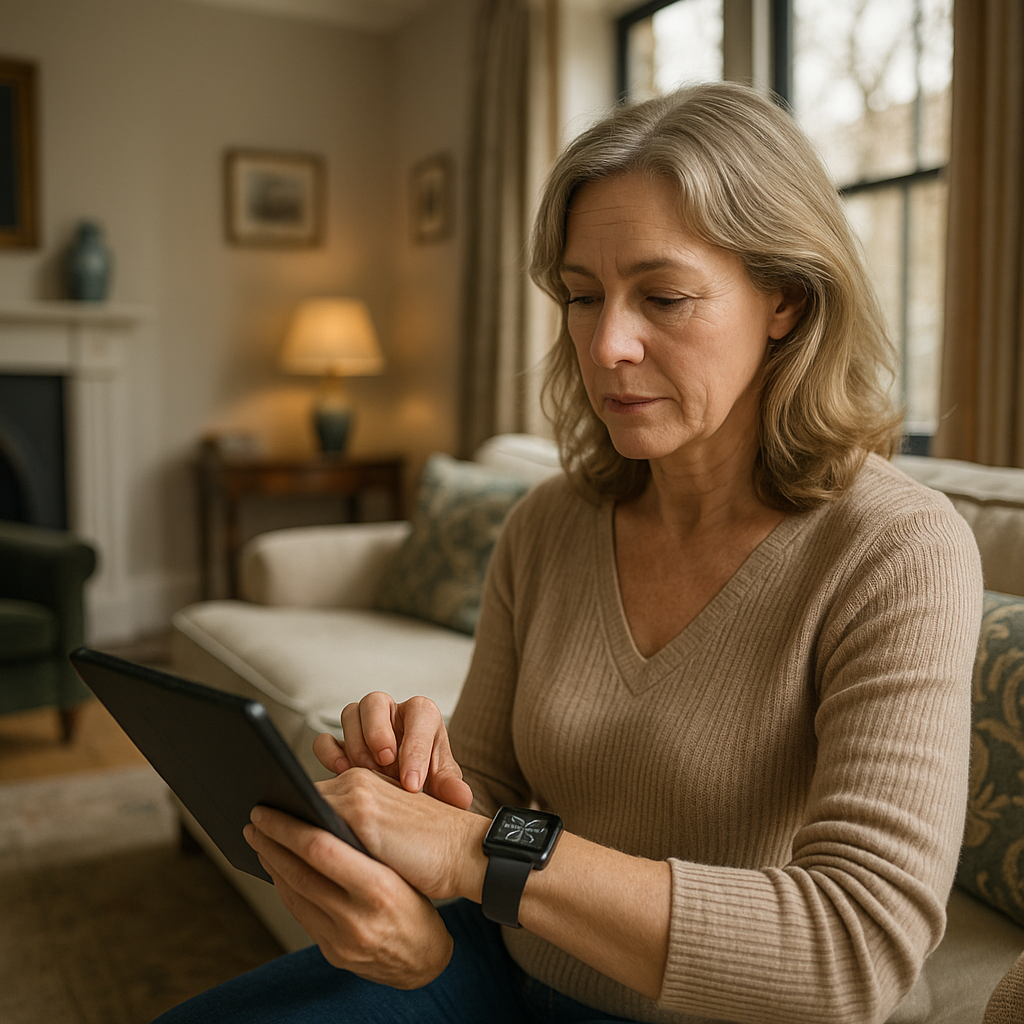
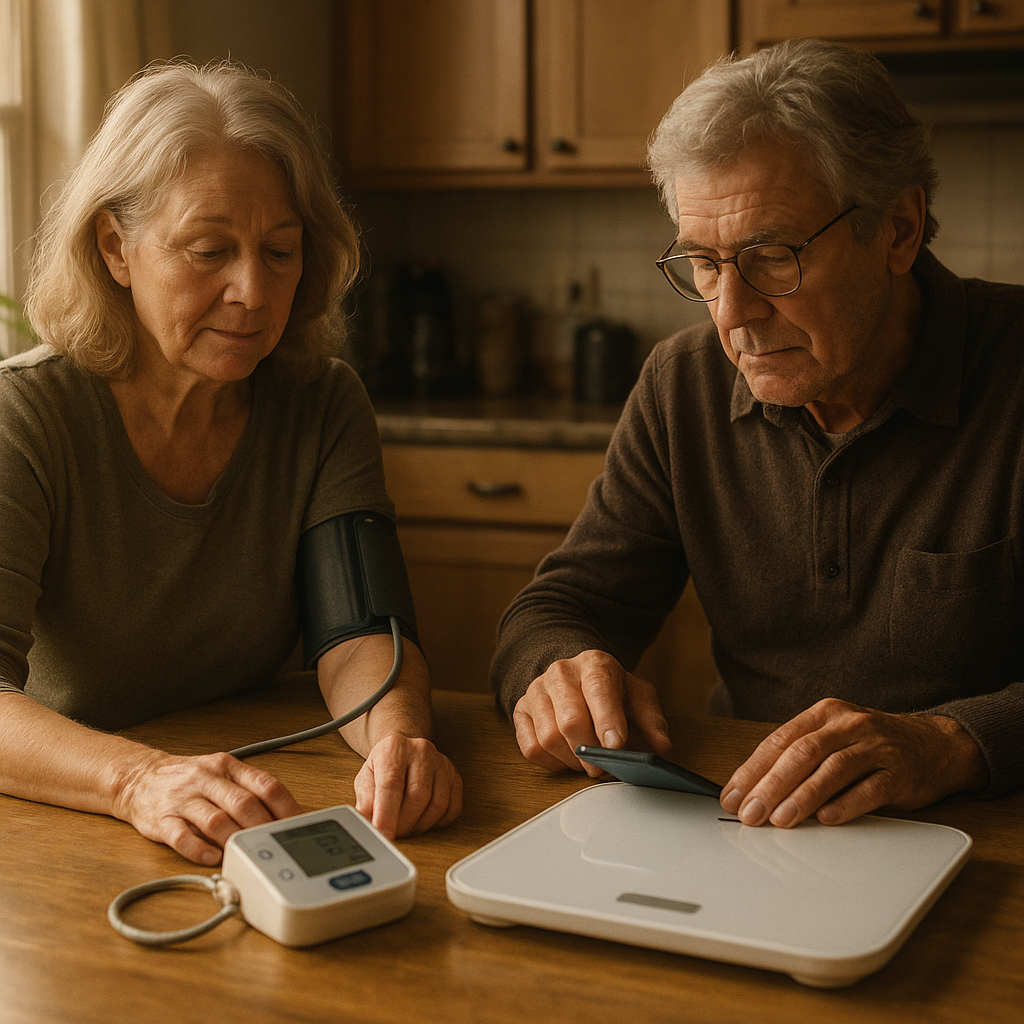
    At its simplest, remote health monitoring uses connected devices to collect medical or wellbeing data outside traditional clinical settings, then shares that information securely with professionals or caregivers. Blood pressure cuffs, pulse oximeters, weight scales, glucose sensors and smart watches are all part of this new ecosystem.

    The critical shift is not the gadget itself, but the continuous stream of information it provides. Instead of a snapshot taken during a rushed appointment, clinicians can see trends over days and weeks. For patients, this can mean fewer unnecessary visits, earlier interventions and a clearer understanding of how lifestyle choices affect their health.

    Why remote health monitoring is gaining momentum

    Several forces are pushing remote health monitoring into the mainstream. Ageing populations, rising chronic disease and stretched health services demand new ways to deliver safe, efficient care. At the same time, consumers have become comfortable with digital banking, food delivery apps and video calls, and now expect similar convenience from health services.

    Crucially, the technology has matured. Devices are more accurate, connections more reliable and interfaces more intuitive. Platforms such as HealthPod have emerged to help join the dots between patient-collected data and clinical decision making, turning raw numbers into meaningful insight.

    Key benefits for patients and clinicians

    The appeal of remote health monitoring lies in its ability to deliver tangible benefits on both sides of the consultation.

    Earlier detection and intervention

    Continuous data streams can reveal subtle changes long before a crisis. A gradual rise in resting heart rate, a creeping increase in overnight weight for heart failure patients, or fluctuating oxygen levels can all trigger timely check-ins rather than emergency admissions.

    Greater convenience and autonomy

    For patients managing long term conditions, frequent clinic visits are time-consuming and often stressful. Remote monitoring allows many routine checks to happen at home, with reviews conducted via phone or video where appropriate. People gain a sense of control, able to see their own data and understand the impact of medication, diet and activity.

    More efficient use of clinical time

    For clinicians, remote health monitoring can help focus attention where it is most needed. Instead of seeing every patient at fixed intervals, teams can prioritise those whose data suggests they are at risk of deterioration, while safely spacing out reviews for stable individuals.

    Challenges and ethical questions

    The rise of these solutions is not without its complications. Data security and privacy remain central concerns. Patients need clear reassurance about who can see their information, how long it is stored and how it will be used.

    There is also the risk of widening inequalities. Not everyone has reliable internet access, a smartphone or the confidence to use digital tools. Designing services that work for older adults, people with disabilities and those in low connectivity areas is essential if remote monitoring is to enhance, rather than erode, fairness.

    Clinicians, too, face new pressures. An influx of continuous data can be overwhelming if not well filtered and integrated into existing workflows. The goal must be to support professional judgement, not drown it in graphs and alerts.

    What to consider before using these solutions

    For individuals offered these solutions, a few practical questions are worth asking. How will the data be reviewed, and by whom? What happens if a reading is out of range – will someone contact you, or are you expected to act? How easy is it to report symptoms that a device cannot capture, such as pain or anxiety?

    It is also sensible to consider your own habits and preferences. Some people relish daily tracking and detailed feedback. Others may find constant measurement intrusive or anxiety-inducing. The best solutions are those that can be tailored, allowing people to choose how closely they are monitored and how often they engage.
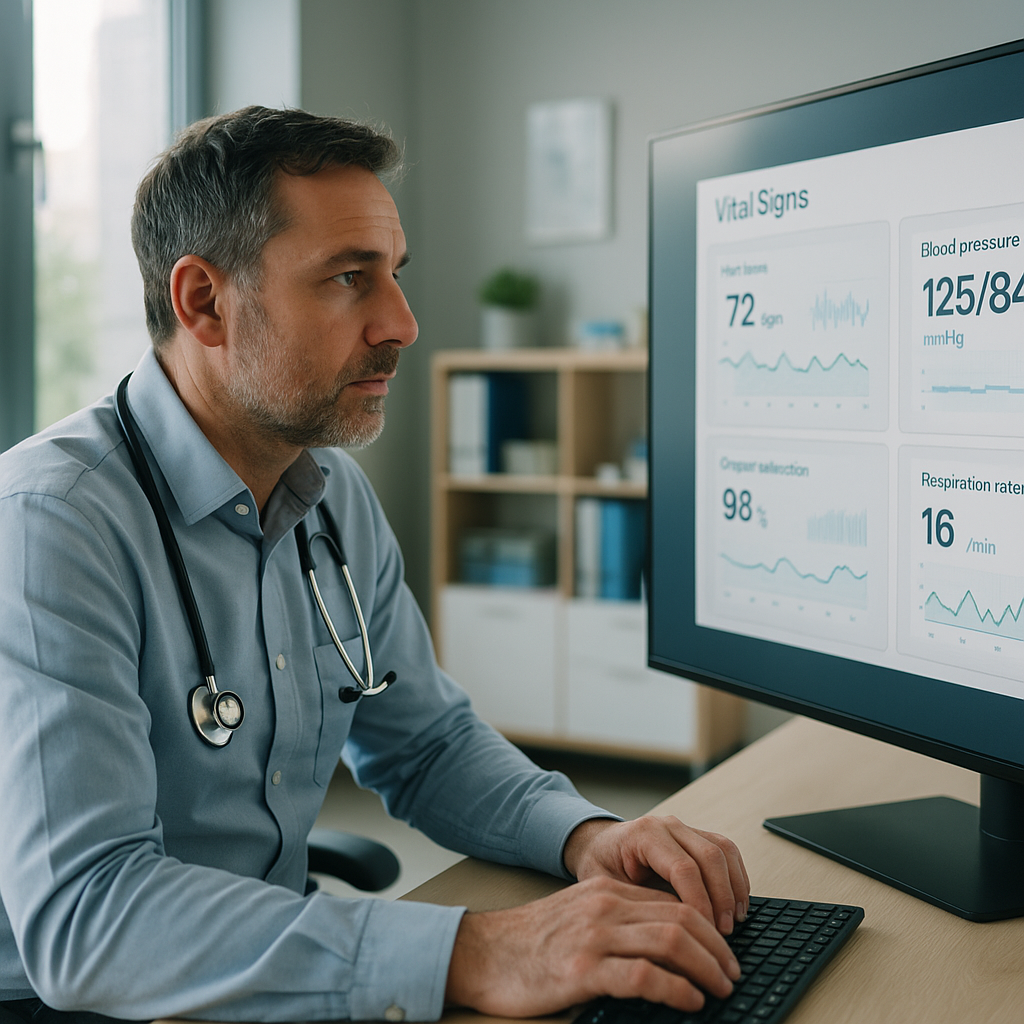
    Clinician analysing patient data dashboard generated through remote health monitoring
    Older couple using home devices for remote health monitoring of blood pressure and weight

    Remote health monitoring FAQs

    Is remote health monitoring safe for my data?

    Remote health monitoring can be run safely when providers use strong encryption, clear consent processes and strict access controls. Before signing up, ask who will see your data, how it is stored, and what happens if there is a technical failure. Reputable services should be able to explain their safeguards in plain language and provide written information about privacy and security.

    Does remote health monitoring replace face to face appointments?

    Remote health monitoring is designed to complement, not replace, traditional care. Routine checks and follow ups may move online or be handled by connected devices, but in person appointments are still essential for physical examinations, complex discussions and when new symptoms appear. The aim is to reserve face to face time for moments when it adds the most value.

    Who is most likely to benefit from remote health monitoring?

    People with long term conditions such as heart failure, diabetes or chronic lung disease often benefit from remote health monitoring, as it allows closer tracking of changes that might signal a problem. Those living far from clinics, or with mobility challenges, may also find it particularly helpful. However, it is not suitable for everyone, and decisions should be made jointly with a clinician who understands your specific circumstances.

  • Is LED Light Therapy The Next Big Thing In At-Home Skincare?

    Is LED Light Therapy The Next Big Thing In At-Home Skincare?

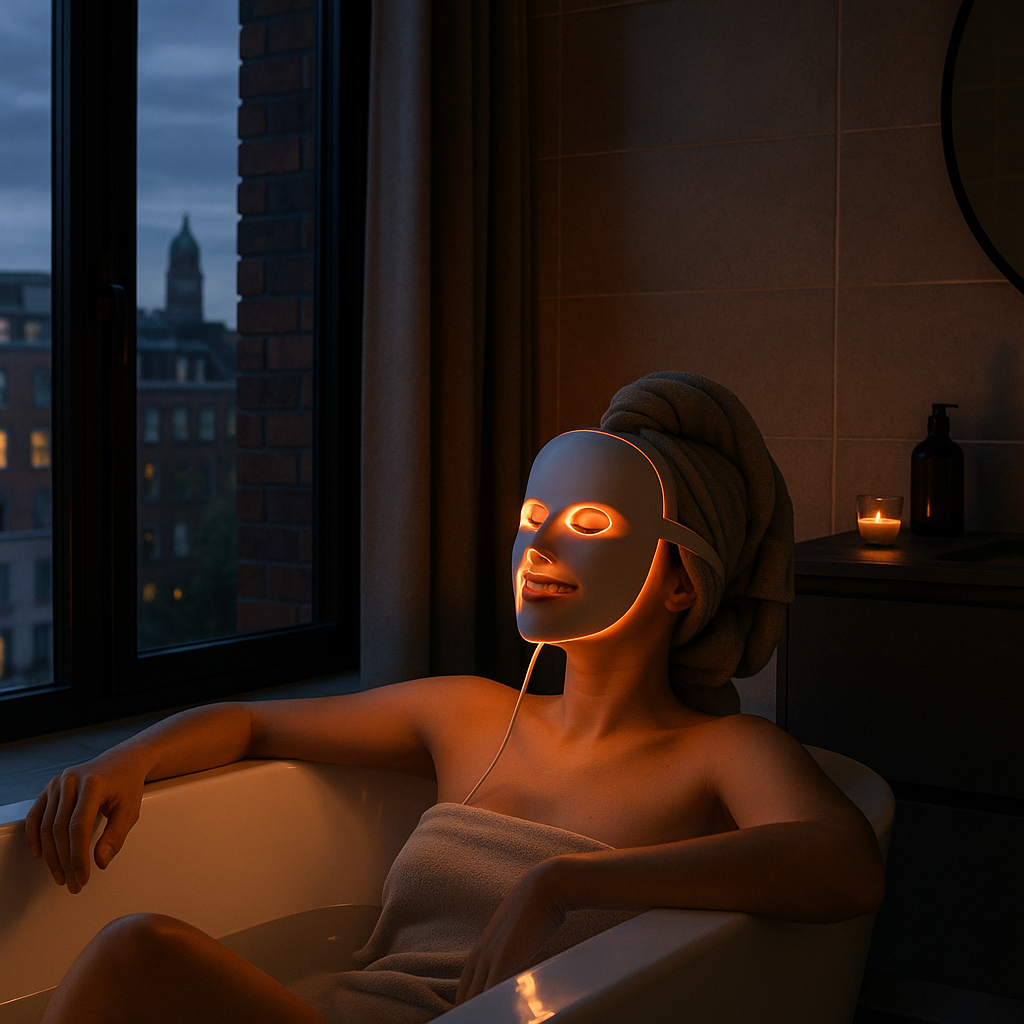
    LED light therapy at home has moved from niche gadget to bathroom-shelf essential, quietly reshaping how we think about skincare rituals. Once confined to dermatology clinics and facialist studios, light-based treatments are now arriving in sleek, sculptural devices designed to sit next to your cleanser and serum.

    What is LED light therapy at home actually doing to your skin?

    At its core, LED light therapy at home uses specific wavelengths of light to stimulate different responses in the skin. Red wavelengths are typically associated with collagen support and calming inflammation, while blue light is often used to target breakout-causing bacteria. Some devices layer in near-infrared for deeper rejuvenation or amber for radiance.

    Unlike lasers, LEDs are non-ablative and non-thermal, meaning they do not wound the skin. Instead, they deliver a low-level energy that skin cells can absorb, a process often described as giving the skin a gentle nudge rather than a dramatic shock. The result is a cumulative effect: small, consistent improvements rather than an overnight transformation.

    Why LED light therapy at home is trending now

    The surge of interest in LED light therapy at home is not accidental. Several cultural shifts have converged to make it the treatment of the moment. First, there is the rise of the “skin minimalist” who would rather invest in one intelligent tool than a dozen overlapping serums. Second, there is a growing appetite for clinic-grade results without the waiting room or consultation fee.

    Social media has also played its part. The photogenic, almost sci-fi aesthetic of full-face LED masks has become a staple in bathroom mirror selfies, normalising high-tech skincare tools as part of everyday life. At the same time, dermatologists and facialists have become more vocal about the evidence base for light treatments, lending them a level of credibility that many beauty trends lack.

    How to integrate LED light therapy at home into a routine

    The most effective routines treat LED as a finishing touch rather than a standalone miracle. Typically, skin should be thoroughly cleansed, with any heavy oils removed so that light can reach the skin unimpeded. Hydrating, fragrance-free serums can be applied beforehand, provided the device manufacturer confirms compatibility.

    Most consumer devices recommend several short sessions each week. Consistency matters more than duration; five to ten minutes, three to five times weekly, is often more productive than a single marathon session. It is also wise to treat LED as a long-term habit, much like retinoids or sunscreen, rather than a one-off fix before an event.

    Choosing a device: what really matters

    With a growing number of masks, wands and panels on the market, it can be difficult to distinguish substance from spectacle. Reputable devices are transparent about wavelength ranges, treatment times and safety testing. Look for clear documentation rather than vague promises of “glow” and “rejuvenation”.

    Independent reviews from dermatology professionals are particularly useful, as is any published testing on real users. Some brands now pair their devices with companion apps that track usage and progress, turning skincare into a lightly quantified ritual rather than a hopeful guess.

    Beyond beauty: the broader light-based wellness trend

    The newfound enthusiasm for LEDs sits within a wider fascination with light-based wellness. From sunrise alarm clocks to circadian lighting systems in the home, there is a growing awareness that light is not merely something by which we see, but something that can shape how we feel and function.

    Alongside cosmetic uses, there is rising curiosity about targeted options such as red light therapy for more specific concerns. While the science is still evolving, the direction of travel is clear: light is becoming a central pillar of modern self-care, rather than a fringe experiment.

    The future of LED light therapy at home

    Looking ahead, these solutions is likely to become more personalised. Expect devices that adjust wavelength combinations based on skin tone, lifestyle and even local pollution levels, plus integrations with wearables that track recovery and stress.

    Luxury bathroom shelf featuring skincare products and an LED light therapy at home device
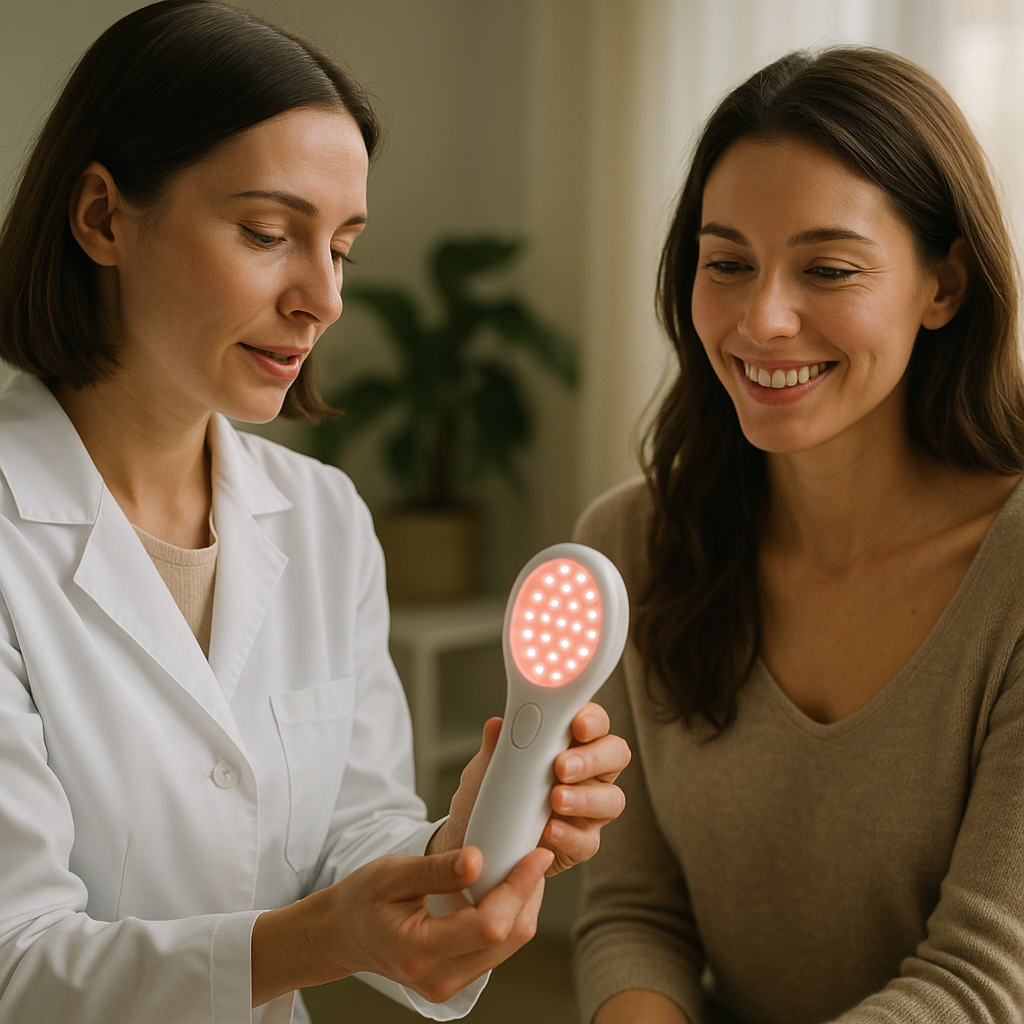
    Dermatology expert explaining LED light therapy at home to a client in a clinic-style setting

    LED light therapy at home FAQs

    Is LED light therapy at home safe for all skin types?

    Most LED devices designed for home use are considered suitable for a wide range of skin types, including sensitive skin, because they use low-level, non-ablative light. However, anyone with a history of light-sensitive conditions, epilepsy, or who is taking photosensitising medication should speak to a medical professional before starting. It is also worth patch-testing for comfort, starting with shorter sessions and gradually building up to the recommended treatment time.

    How long does it take to see results from LED light therapy at home?

    LED treatments tend to work cumulatively, so results are more gradual than dramatic. Many users report subtle improvements in radiance and texture within four to six weeks of consistent use, with more noticeable changes in tone and fine lines often taking several months. As with topical skincare, consistency is crucial: irregular or sporadic use is unlikely to deliver meaningful results.

    Can I combine LED light therapy at home with active skincare ingredients?

    Yes, but it is important to proceed with care. Gentle hydrating serums and barrier-supporting products usually pair well with LED sessions. Strong actives such as retinoids, exfoliating acids or high-strength vitamin C may increase sensitivity for some people, especially if applied immediately before treatment. Many practitioners suggest using actives at a different time of day and keeping LED sessions paired with simpler, soothing formulas to minimise the risk of irritation.

  • The Benefits of a Parasite Cleanse

    The Benefits of a Parasite Cleanse

    Parasite cleanses could become a significant aspect of proactive health and wellness in future. These cleanses, often involving specific herbs, dietary changes, or supplements, are suggested by their advocates to offer a range of benefits by eradicating or reducing the burden of unwanted parasites within the human body.  

    Parasite cleanse

    Improvement in Digestive Health

    Proponents suggest that parasites can disrupt the delicate balance of the gut microbiome, leading to various digestive issues. If future studies were to confirm this and demonstrate the efficacy of cleanses, we might see parasite cleanses being used to alleviate symptoms such as bloating, gas, abdominal pain, diarrhoea, and constipation. By removing these parasitic interlopers, the gut environment can return to a more harmonious state, improving nutrient absorption and overall digestive function.

    Enhancement of Nutrient Absorption

    Some theories suggest that parasites can compete with the host for essential nutrients, potentially leading to deficiencies even in individuals with seemingly healthy diets. Parasite cleanses can be used as a way to optimise nutrient uptake by eliminating these nutrient-leaching organisms – then the body might be able to absorb vitamins, minerals, and other vital compounds more effectively, potentially leading to increased energy levels and improved overall health.

    Boost in Energy Levels

    Chronic fatigue and low energy are often cited by proponents as potential signs of parasitic infection. They suggest that the metabolic waste products of parasites, or the body’s constant immune response to their presence, can contribute to feelings of tiredness. If future studies were to validate this link and the effectiveness of cleanses in removing these parasites, such cleanses might be considered as a way to naturally boost energy levels and reduce feelings of lethargy.

    Improvement in Skin Health

    Some advocates believe that parasites can manifest their presence through various skin issues, such as rashes, eczema, acne, and unexplained itching. They propose that the toxins released by parasites can irritate the skin or trigger inflammatory responses. If future research were to confirm this connection and the benefit of parasite cleanses in addressing it, these cleanses might become a complementary approach to managing certain skin conditions.  

    Enhancement of Immune Function

    The constant presence of parasites is theorised by some to place a burden on the immune system, potentially diverting resources away from other threats. If future studies were to demonstrate that parasite cleanses can reduce this burden, it might be suggested that they could indirectly support and enhance overall immune function, potentially making the body more resilient to other infections.

    Reduction in Allergic Reactions

    Certain theories suggest a link between parasitic infections and an increased susceptibility to allergies. It’s proposed that the presence of parasites can modulate the immune system in ways that promote allergic responses. If future research were to validate this and show that parasite cleanses can help restore a more balanced immune response, they might be explored as a potential way to alleviate or reduce the severity of allergic reactions in some individuals.  

    Improvement in Mental Clarity

    In less mainstream theories, some proponents suggest a link between parasitic infections and cognitive issues such as brain fog, irritability, and difficulty concentrating. They propose that toxins released by parasites could potentially affect neurological function. If future studies were to establish this connection and demonstrate the benefit of parasite cleanses in improving mental clarity, such cleanses might be considered in addressing certain cognitive complaints.

    Important Note: It is crucial to reiterate that the benefits outlined above are hypothetical and based on claims made by proponents of parasite cleanses. Currently, there is a lack of robust scientific evidence to support these claims for the general population in developed countries. If, in the future, rigorous scientific studies were to validate these purported benefits, the understanding and application of parasite cleanses in human health could potentially evolve significantly. However, until such evidence emerges, these remain speculative possibilities. Any health concerns should always be discussed with a qualified healthcare professional who can provide evidence-based advice.