Category: Health & Beauty

  • Microplastics Are Inside All of Us, Here Is What the Latest Science Says You Should Do About It

    Microplastics Are Inside All of Us, Here Is What the Latest Science Says You Should Do About It

    It is, by any measure, one of the more unsettling findings of the modern scientific era. Researchers have now confirmed the presence of microplastics in human blood, lungs, placentas, breast milk, and most recently, the walls of the heart. We are not talking about trace anomalies detectable only in laboratory conditions. A study published in the journal Environment International found plastic particles in the blood of 77 per cent of participants tested. The question is no longer whether microplastic contamination is happening inside us. The question is what, precisely, it is doing there.

    This is a field moving at extraordinary speed. What scientists knew with confidence two years ago now feels like the opening chapter of a far longer and more troubling story. The latest research is beginning to map not just the presence of these particles but their biological behaviour, and the implications are significant enough to warrant serious attention from anyone interested in their own health.

    Scientist examining evidence of microplastic contamination under a microscope in a UK research laboratory
    Scientist examining evidence of microplastic contamination under a microscope in a UK research laboratory

    What Are Microplastics and How Do They Enter the Body?

    Microplastics are fragments of plastic less than five millimetres in diameter, though many of the particles studied in human tissue are nanoscale, meaning they are invisible to the naked eye. They originate from the degradation of larger plastic items, from synthetic textiles, from plastic packaging, from tyres, from cosmetics, and from industrial processes. They enter the body primarily through ingestion and inhalation, though dermal absorption is also being investigated as a secondary route.

    The average person in the UK is estimated to consume roughly five grams of plastic per week, equivalent in mass to a credit card, according to research commissioned by WWF. Much of that arrives through drinking water, whether from the tap or bottled. Seafood is a significant vector. So is the simple act of heating food in plastic containers or drinking from plastic cups. The air inside most British homes contains measurable levels of airborne plastic fibres, shed from upholstered furniture, synthetic carpets, and clothing made from polyester or nylon.

    What the Latest Research on Health Implications Shows

    The 2024 and 2025 literature on microplastic contamination has produced findings that are difficult to dismiss. A landmark study published in the New England Journal of Medicine examined patients undergoing surgery for carotid artery disease and found those with microplastics present in their arterial plaque had a significantly higher risk of heart attack, stroke, and death within three years compared to those without. This is the first study to link microplastic presence in human tissue directly to hard clinical outcomes rather than simply noting accumulation.

    Separately, research from the University of Hull has examined the inflammatory response triggered by certain plastic particles in lung tissue. Polyethylene and polystyrene fragments appear to provoke a persistent low-grade inflammatory reaction that mirrors, in some respects, the kind of chronic inflammation associated with elevated risk of respiratory disease and certain cancers. Endocrine disruption is another axis of concern: several chemical additives leached by plastics, including phthalates and bisphenol A, are well-established hormone disruptors, and the evidence that plastic particles themselves may carry these compounds into deep tissue is mounting.

    What scientists are careful to emphasise is that causal mechanisms in humans are still being established. The correlations are striking. The biological plausibility is strong. But the field is honest about the fact that long-term population studies are still in relatively early stages. That said, the direction of travel in the evidence is, by most accounts, concerning rather than reassuring.

    Glass of filtered water on a British kitchen counter, an everyday step to reduce microplastic contamination
    Glass of filtered water on a British kitchen counter, an everyday step to reduce microplastic contamination

    How to Reduce Microplastic Exposure: Evidence-Based Steps

    Eliminating microplastic contamination entirely from modern life is not realistic. But the evidence does support meaningful reductions through targeted behavioural changes, and given what we now know about accumulation dynamics, reducing exposure from multiple vectors simultaneously is likely to have a compounding benefit.

    Switch to filtered tap water and avoid plastic bottles

    Bottled water, paradoxically, contains significantly higher concentrations of microplastics than properly filtered tap water. A study by researchers at Columbia University found an average of 240,000 plastic particles per litre in tested bottled water, most of them nanoplastics shed from the bottles themselves. Installing a quality under-sink filter with a pore size small enough to capture nano-scale particles, or using a certified filter jug, reduces exposure substantially. If you drink a lot of hot beverages, avoid paper cups: the inner lining is plastic, and heat accelerates particle release.

    Rethink how you heat and store food

    Never heat food in plastic containers, even those labelled microwave-safe. That designation relates to structural integrity, not to whether the plastic leaches particles into food when heated. Transfer leftovers to glass, ceramic, or stainless steel before reheating. Cling film should not be in contact with food during microwaving. Swap plastic chopping boards for wood or glass: a used woodworking machinery enthusiast building their own hardwood boards at home is, rather satisfyingly, making a genuinely health-conscious choice.

    Improve indoor air quality

    Airborne microplastics in the home come largely from synthetic textiles and carpets. Vacuuming regularly with a HEPA-filter vacuum, opening windows to improve ventilation, and choosing natural fibre furnishings where possible will reduce airborne particle counts. Washing synthetic clothing in a microplastic-catching laundry bag, such as those made by Guppyfriend, prevents fibres entering waterways and reduces the dispersal of particles into the home environment during washing.

    Reduce dietary exposure through food choices

    Seafood, particularly shellfish consumed whole, carries the highest dietary microplastic burden. That does not mean abandoning it entirely, but awareness is useful. Salt, honey, and beer have all been found to contain particles. Choosing foods packaged in glass, cardboard, or not packaged at all, particularly for acidic foods that accelerate plastic leaching, is a pragmatic and relatively low-effort adjustment.

    What the UK Government and Public Health Bodies Are Saying

    The UK Health Security Agency has acknowledged the growing body of evidence on microplastic contamination, though official guidance remains cautious pending more conclusive long-term studies. The Food Standards Agency published a research review noting that whilst current dietary exposure levels are unlikely to cause acute harm, chronic accumulation effects are not yet fully understood and warrant ongoing monitoring. That is the measured language of public health bodies navigating genuine scientific uncertainty. It should not be read as reassurance that the situation is without concern.

    The broader regulatory picture in the UK involves a gradual tightening of restrictions on single-use plastics and plastic packaging, with further measures expected under the extended producer responsibility framework. These are structural changes that will take years to alter the volume of plastic in circulation. Individual action, in the meantime, remains the most direct lever available.

    The Bigger Picture: A Crisis That Demands Structural Change

    Personal mitigation is valuable. But it is worth being clear-eyed about the scale of what we are dealing with. Microplastics have been found in the deepest ocean trenches, in Arctic ice cores, and in rainwater collected above remote mountain ranges. They are a systemic consequence of six decades of plastic production without adequate consideration of end-of-life dispersal. The UK produces roughly 1.7 million tonnes of plastic waste annually, according to the British Plastics Federation. Even the most conscientious individual choices operate against that backdrop.

    The science of microplastic contamination is moving faster than policy. What it is telling us, with increasing confidence, is that the particles accumulating in human tissue are not biologically inert. Addressing that will require action at every level, from the choices made in individual kitchens to the regulatory frameworks governing how plastic is manufactured, used, and disposed of. The evidence is now too substantial to defer either the concern or the response.

    Frequently Asked Questions

    Are microplastics really found inside the human body?

    Yes. Scientific studies have confirmed microplastics in human blood, lungs, liver, kidneys, placentas, breast milk, and arterial plaque. A 2022 study found plastic particles in the blood of 77 per cent of participants tested, and more recent research has linked accumulation in arterial tissue to increased cardiovascular risk.

    What are the most concerning health effects of microplastic contamination?

    The most significant recent finding links microplastics in arterial plaque to higher rates of heart attack and stroke. Researchers are also investigating chronic inflammation, endocrine disruption caused by chemical additives in plastics, and potential impacts on immune function, though causal mechanisms in humans are still being established.

    How can I reduce my microplastic exposure at home?

    Key steps include filtering tap water rather than drinking from plastic bottles, avoiding heating food in plastic containers, vacuuming regularly with a HEPA-filter vacuum, and choosing natural fibre textiles where possible. Switching to glass, ceramic, or stainless steel food storage makes a measurable difference.

    Is bottled water worse than tap water for microplastics?

    Yes, research consistently finds higher microplastic concentrations in bottled water than in filtered tap water, largely because plastic particles shed from the bottles themselves. Using a quality tap filter or certified filter jug is a more effective and environmentally sound alternative.

    What foods contain the most microplastics?

    Shellfish consumed whole carry the highest dietary burden, as the digestive systems where plastics accumulate are eaten along with the flesh. Sea salt, honey, and beer have also tested positive for particles. Foods stored or heated in plastic packaging tend to have higher contamination levels than those in glass or unpackaged alternatives.


  • Wellness Tourism Reimagined: The World’s Most Exclusive Retreats Leading the Longevity Revolution

    Wellness Tourism Reimagined: The World’s Most Exclusive Retreats Leading the Longevity Revolution

    There is a particular kind of exhaustion that no ordinary holiday can fix. Not the tiredness of overwork, nor the mild depletion of a stressful quarter, but something deeper: a cellular, systemic fatigue that the finest suite at a Maldivian resort simply cannot address. It is precisely this realisation that has driven a remarkable and rather elegant collision between the global wellness industry and cutting-edge longevity science. Luxury wellness tourism longevity 2026 is not a niche. It is a fully formed, multi-billion-pound movement reshaping how the world’s most discerning travellers think about rest, health, and time itself.

    The numbers are difficult to argue with. According to the Office for National Statistics, life expectancy conversations have shifted dramatically in Britain, with greater scrutiny on healthspan rather than lifespan alone. Meanwhile, the Global Wellness Institute valued the wellness tourism market at over £600 billion globally, with high-end longevity programming representing its fastest-growing segment. Britons, historically somewhat suspicious of anything too earnest about self-improvement, have quietly become among the sector’s most enthusiastic spenders.

    Luxury wellness tourism longevity retreat nestled in alpine mountains at dusk with modern glass architecture
    Luxury wellness tourism longevity retreat nestled in alpine mountains at dusk with modern glass architecture

    What Distinguishes a Longevity Retreat from a Luxury Spa Break?

    The distinction matters. A spa break offers relaxation; a longevity retreat offers data. The finest properties in this space greet guests not with a glass of champagne but with a comprehensive battery of biomarker testing: full blood panels, telomere length analysis, VO2 max assessments, continuous glucose monitoring, and epigenetic age profiling. The results inform a personalised protocol that governs every aspect of the stay, from sleep architecture interventions to bespoke nutritional prescriptions formulated by on-site physicians rather than nutritionists with weekend certificates.

    Clinique La Prairie in Montreux remains the archetype, having refined its cellular medicine programmes since the 1930s. Their Holistic Revitalisation programme now incorporates AI-assisted health modelling alongside classical Swiss cellular therapy. SHA Wellness Clinic in Alicante and Vivamayr in Austria operate on similarly rigorous clinical foundations. What unites them is the shift from pampering to precision: treatments are evidence-based, outcomes are measurable, and the whole experience feels less like an indulgence and considerably more like an investment.

    Biohacking at Altitude: The Science Behind the Serenity

    The word biohacking carries unfortunate connotations, conjuring images of excitable tech entrepreneurs self-administering questionable supplements in Silicon Valley. At the elite end of luxury wellness tourism, the reality is rather more refined and considerably more rigorous. Hyperbaric oxygen therapy, once the preserve of sports medicine clinics, now occupies dedicated suites at properties including LONGEVITY Health & Wellness Hotel in Portugal’s Algarve. Guests undergo pressurised sessions shown in peer-reviewed research to accelerate cellular repair and reduce systemic inflammation.

    Cryotherapy chambers, photobiomodulation beds, intravenous NAD+ infusions, and exosome therapies feature at the most advanced properties. Stem cell programmes, administered under strict medical supervision, have become a significant draw at clinics in Switzerland and Germany, attracting a notably British clientele who combine the treatment with broader wellness stays. The discretion these properties offer is, frankly, part of the appeal. There are no queues, no waiting lists measured in months, and clinical conversations happen in beautifully appointed consulting rooms rather than NHS corridors.

    Personalised medicine consultation at a luxury wellness tourism longevity clinic with biomarker analysis
    Personalised medicine consultation at a luxury wellness tourism longevity clinic with biomarker analysis

    Mental Health as the New Frontier of Premium Travel

    Physical optimisation is only half the proposition. The most sophisticated properties in 2026 have invested heavily in immersive mental health programmes that go well beyond a morning meditation class and a journalling prompt. The model that has emerged at the upper tier combines psychotherapy with somatic bodywork, breathwork techniques rooted in clinical research, and pharmacological support where appropriate. Ketamine-assisted therapy, legal and medically supervised in several European jurisdictions, has found its way onto the menu at a small number of high-end retreats, with programmes designed by consultant psychiatrists and delivered with rigorous clinical governance.

    Six Senses, which operates properties from Ibiza to the Cotswolds, has become perhaps the most recognisable luxury brand to fully embrace this integrated model. Their longevity programming, built around partnerships with leading researchers including those affiliated with the Buck Institute for Research on Ageing, offers guests something genuinely unusual: a coherent philosophy rather than a collection of treatments. Sleep enhancement, cognitive performance, emotional regulation and physical vitality are treated as interconnected systems, which of course they are.

    Where British Travellers Are Spending Their Wellness Budgets

    The destinations drawing the greatest interest from UK guests right now are Portugal, Austria, Switzerland, and Spain, with a notable and growing appetite for longer-stay programmes of ten days or more. A week at a leading longevity clinic typically costs between £8,000 and £35,000 per person depending on the depth of clinical programming, and the market has shown itself to be remarkably price-inelastic. When people believe they are investing in additional healthy years, the arithmetic feels different.

    Domestically, the picture is developing. Chiva-Som’s European outpost and a growing number of retreats in Scotland, the Lake District, and Cornwall have begun incorporating more clinically credentialled longevity elements. The Scottish Highlands, with their extraordinary air quality and low population density, have proved a compelling backdrop for properties positioning themselves at the intersection of nature immersion and precision health.

    The demand among British professionals aged 40 to 65 is, if anything, intensifying. This is a cohort that has watched the longevity conversation evolve from fringe science to mainstream aspiration, that has read their Bryan Johnson and their Peter Attia, and that has the means to act on the information. They are not buying spa breaks. They are buying time.

    Is Luxury Wellness Tourism Longevity Science Actually Effective?

    The honest answer is: it depends, and the field demands a degree of critical scrutiny. Some interventions offered at premium retreats are supported by robust clinical evidence. Others occupy more contested territory. The best properties are transparent about this, distinguishing between established medicine and emerging therapies with intellectual honesty that cheaper wellness marketing routinely abandons. Reputable retreats publish their clinical advisers’ credentials, cite peer-reviewed research, and set realistic expectations rather than promising immortality in a press release.

    What is not in doubt is the aggregate value of the environment itself. Sustained rest, reduced cortisol, exceptional nutrition, structured movement, and genuine psychological support produce measurable improvements in biomarkers across virtually every study that has examined them. Whether that requires a £20,000 programme in the Swiss Alps or a fortnight of genuine digital disconnection somewhere quieter is a question only the individual guest can answer. What luxury wellness tourism does, at its finest, is engineer the conditions for that transformation with extraordinary thoroughness and considerable grace.

    For those for whom luxury wellness tourism longevity 2026 represents not a passing trend but a fundamental reorientation of how they think about health, the retreats profiled here represent the current standard of the art. The science will advance. The properties will evolve. The human desire to feel vital, sharp, and genuinely well, however, shows no signs whatsoever of abating.

    Frequently Asked Questions

    What is luxury wellness tourism longevity and how is it different from a regular retreat?

    Luxury wellness tourism longevity combines high-end travel with clinically rigorous health programmes focused on extending healthy life. Unlike standard spa breaks, these retreats use biomarker testing, personalised medicine, and evidence-based interventions supervised by medical professionals rather than general wellness practitioners.

    How much does a longevity retreat typically cost for UK travellers?

    Programmes at leading longevity retreats typically range from approximately £8,000 to £35,000 per person for a week-long stay, depending on the depth of clinical testing and treatment included. Longer programmes of ten days or more are increasingly popular and represent the majority of bookings at the most prestigious properties.

    Which are the best longevity retreats accessible to British guests?

    Clinique La Prairie in Switzerland, SHA Wellness Clinic in Spain, Vivamayr in Austria, and LONGEVITY Health & Wellness Hotel in Portugal are widely regarded as the leading European options. Domestically, Six Senses in the Cotswolds and a growing number of Scottish Highland retreats offer increasingly sophisticated longevity programming.

    What biohacking treatments are typically offered at high-end wellness retreats?

    Leading retreats offer hyperbaric oxygen therapy, cryotherapy, photobiomodulation, intravenous NAD+ infusions, continuous glucose monitoring, telomere analysis, and epigenetic age profiling. All treatments at reputable properties are administered under qualified medical supervision and tailored to individual biomarker results.

    Is longevity science at wellness retreats actually backed by evidence?

    Many core interventions are supported by peer-reviewed research, particularly those relating to sleep, nutrition, cardiovascular fitness and stress reduction. Some newer therapies such as exosome treatment occupy more emerging territory, and the best retreats are transparent about the distinction between established medicine and experimental protocols.

  • The Loneliness Economy: How Social Isolation Became Britain’s Most Lucrative Problem

    The Loneliness Economy: How Social Isolation Became Britain’s Most Lucrative Problem

    There is a peculiar irony at the heart of modern Britain. We are more connected than any previous generation in history, with high-speed broadband in 96% of UK premises, social media platforms commanding billions of hours of attention, and instant messaging tools that shrink the globe to a pocket-sized screen. And yet, according to the Office for National Statistics, around 3.83 million adults in England report feeling lonely often or always. Social isolation, it turns out, does not require physical solitude. It merely requires the quiet, persistent sense that nobody is really there.

    That feeling has spawned an economy. A vast, sprawling, surprisingly profitable industry has grown up around loneliness, selling companionship, community, and connection to people who can afford to pay for them. From subscription friendship apps to AI companions, from co-living spaces for professionals to paid befriending services for the elderly, the business of belonging is booming. It raises uncomfortable questions: is this ingenuity or exploitation, genuine care or a market making its peace with a structural failure?

    Person experiencing social isolation at a rainy British high street cafe window
    Person experiencing social isolation at a rainy British high street cafe window

    What Does Social Isolation Actually Look Like in 2026?

    Social isolation is not simply a problem of the old and infirm, though it remains acute in those groups. Post-pandemic shifts in working patterns have fundamentally redrawn the social geography of British life. Roughly 44% of the UK workforce now works remotely at least part of the week, according to figures from the CIPD. The office as a daily social environment has been diminished, perhaps irreversibly. For millions, the commute that once generated friction, banter, and incidental human contact has been replaced by a walk from the bedroom to the spare room.

    Young adults aged 16 to 24 now report some of the highest rates of loneliness in the country. This is a demographic that came of age during lockdown, built peer networks through screens, and now finds itself in a workforce where remote norms arrived before they did. The social scaffolding of early adulthood, the shared house, the after-work drinks, the informal mentorship across a desk, has been partially dismantled and not entirely rebuilt.

    Then there are the structural contributors. Later marriages, higher divorce rates, rising numbers of single-person households (now over 8 million in England and Wales), and the fragmentation of multi-generational living have all conspired to leave more people without reliable daily human contact. These are not personal failings. They are demographic facts that marketers have been swift to notice.

    The Industries Being Built on Disconnection

    The most visible response to social isolation has been technological. Apps like Bumble BFF, which launched its UK expansion in earnest in 2023 and has since grown substantially, pitch themselves explicitly as friendship platforms rather than dating tools. Subscribers pay monthly fees to access curated matches based on interests, location, and lifestyle. The proposition is blunt: modern life does not generate enough spontaneous friendships, so we will engineer them for you.

    AI companionship is the more unsettling frontier. Apps such as Replika have UK user bases running into the hundreds of thousands, offering personalised chatbot relationships that can be configured as friends, mentors, or romantic partners. Proponents argue these tools provide genuine emotional support to those with severe anxiety, mobility issues, or acute isolation. Critics, including a number of NHS psychologists, warn that they risk substituting the complex, reciprocal demands of real relationships with something that mimics intimacy whilst requiring none of it.

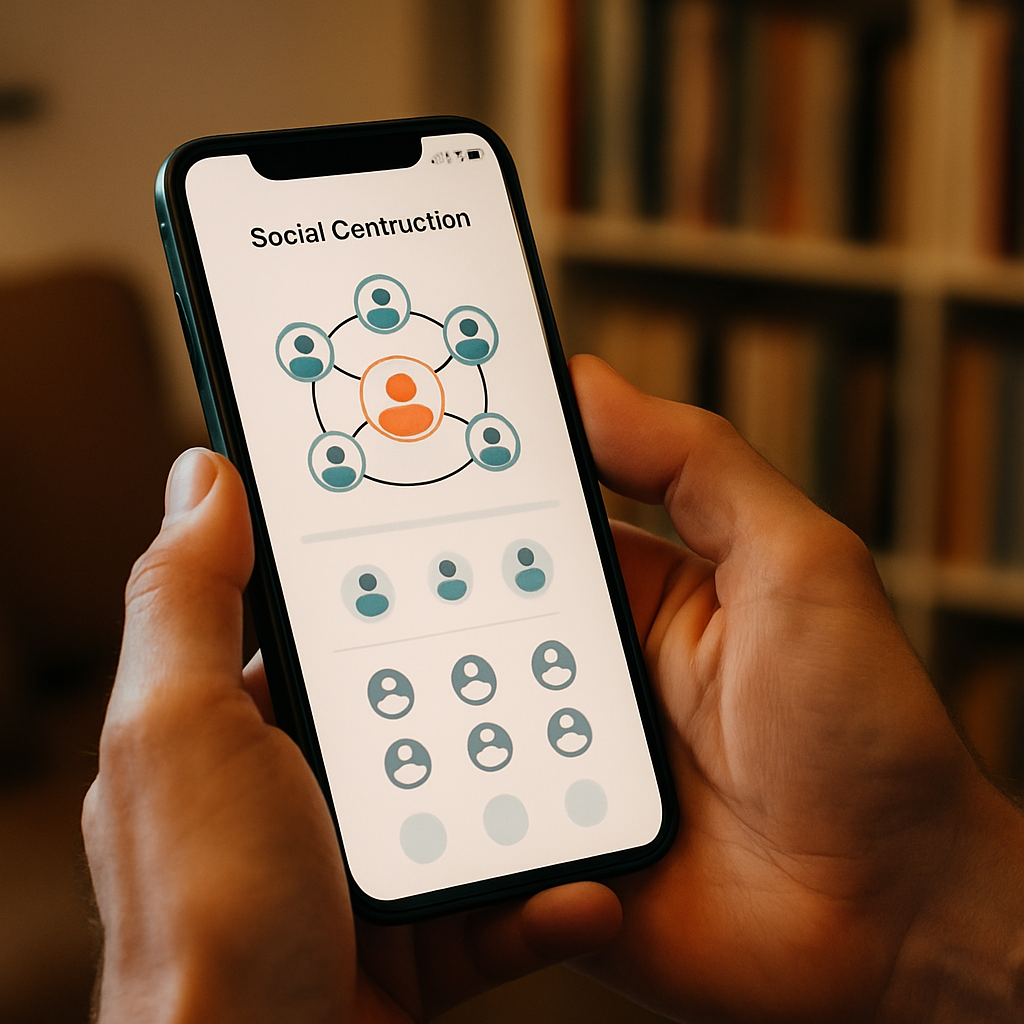
    Hands holding smartphone using a social connection app to address social isolation
    Hands holding smartphone using a social connection app to address social isolation

    The co-living sector has arguably been more thoughtful in its response. Operators like The Collective (before its administration) and newer entrants such as Gravity Co and Linx Living have designed residential products specifically around social infrastructure: communal kitchens, events programmes, curated house rules meant to reduce the awkwardness of strangers sharing space. Monthly rents in London typically run between £1,200 and £2,000 for a private room, but the pitch is not merely accommodation. It is structured community, professionally managed. For young professionals priced out of buying and tired of anonymous flat-shares, the appeal is real.

    At the other end of the age spectrum, the befriending services market has grown considerably. Charities like Age UK have long offered telephone befriending, but commercial operators are now entering the space, offering paid companionship visits for elderly people whose families live far away or are simply too busy. The ethics here are delicate. Paying for a companion is not inherently undignified, but it does reflect a society that has partially outsourced the care of its most isolated members to the market.

    The Business of Belonging: Who Is Profiting?

    The commercial logic is straightforward enough. Social isolation is a pain point that is chronic, widespread, and largely unaddressed by public services. Where the state retreats, or simply fails to act, private enterprise moves in. Mental health platforms, social clubs, experience-based communities, wellness retreats framed around connection; the vocabulary of togetherness has become a marketing category.

    Digital agencies and brands building their online presence have noticed too. Community-building has become a primary strategy for audience retention, with businesses investing in Discord servers, membership models, and in-person events designed to foster loyalty through belonging. Even something as technical as link building within digital marketing reflects a broader truth: relationships, whether between people or websites, carry weight. Authority is earned through connection.

    The more sophisticated operators in the loneliness economy are building genuine value. The question is whether systemic social isolation can be meaningfully addressed by individual purchasing decisions. Buying a co-living membership or a friendship app subscription treats the symptom. It does not touch the planning decisions that eliminated the high street pub, the housing policies that scatter families across the country, or the workplace norms that stripped out casual human contact.

    Can Policy Actually Fix Social Isolation?

    The UK government appointed its first Minister for Loneliness in 2018, following the Jo Cox Commission’s report. That gesture attracted global attention and was, in many ways, admirable. What followed was considerably less transformative. Funding for community spaces, libraries, and local services continued to decline across local authorities throughout the early 2020s, precisely the infrastructure most likely to generate organic social connection for people who cannot afford to buy it.

    There are glimmers of better thinking. Social prescribing, where GPs refer patients to community activities rather than, or alongside, medical intervention, has expanded within the NHS. Some local councils have invested in high street regeneration specifically framed around social infrastructure: markets, community kitchens, creative workshops. These are promising. But they remain patchy and underfunded against the scale of the problem.

    The challenge is that social isolation does not generate the kind of acute crisis that commands headlines. It is a slow bleed: slightly elevated cortisol, slightly reduced life expectancy, slightly higher rates of depression and anxiety spread across millions of individuals, none of whom are dramatically ill, all of whom are quietly diminished. It is, in that sense, the perfect condition for a market to address and a government to overlook.

    What Comes Next for Loneliness in Britain

    The loneliness economy will not solve social isolation. That is not a cynical observation; it is simply an honest assessment of what markets can and cannot do. But the commercial attention being paid to human disconnection is, in its own way, a signal worth heeding. When people are willing to pay handsomely to feel less alone, something has gone considerably wrong in the fabric of ordinary life.

    The more interesting responses will come from architects, planners, employers, and policymakers who take seriously the idea that connection is an infrastructure problem as much as a personal one. The towns and organisations that embed social contact into their physical and procedural design, that treat belonging as a public good rather than a luxury product, will be the ones worth watching. Until then, the apps will keep the subscriptions ticking over, and the market will keep selling us back to ourselves.

    Frequently Asked Questions

    How many people in the UK suffer from social isolation?

    The ONS estimates that around 3.83 million adults in England report feeling lonely often or always. Young adults aged 16 to 24 and older people living alone are among the most affected groups, though loneliness spans all age brackets and demographics.

    What is the loneliness economy?

    The loneliness economy refers to the growing range of commercial products and services designed to address social isolation, from friendship apps and AI companions to co-living spaces and paid befriending services. It has expanded significantly in the UK since the pandemic reshaped social patterns.

    Does the UK government have a policy on loneliness?

    The UK appointed the world’s first Minister for Loneliness in 2018, following recommendations from the Jo Cox Commission. Social prescribing within the NHS has since expanded, though critics argue investment in community infrastructure has not kept pace with the scale of the problem.

    Are AI companions a safe solution for social isolation?

    AI companion apps can offer short-term emotional support, particularly for people with severe anxiety or mobility limitations. However, a number of NHS psychologists have raised concerns that they may substitute the reciprocal demands of genuine human relationships with a simulation of intimacy, potentially deepening long-term isolation.

    How much does co-living cost in the UK?

    Co-living spaces in London typically charge between £1,200 and £2,000 per month for a private room, which usually includes utilities, communal facilities, and a managed social events programme. Prices are generally lower in cities such as Manchester, Birmingham, and Bristol.