

Something quiet but seismic has been happening in the way Britain gets dressed. The relentless churn of fast fashion, those weekly micro-collections, £4 polyester tops, and algorithmic trend cycles, is beginning to buckle under the weight of its own contradictions. In its place, a more considered, more deliberate mode of consumption is rising. Sustainable luxury fashion is not simply a corrective trend; it is fast becoming the dominant grammar of how discerning consumers understand style, value, and responsibility.
The numbers tell a striking story. According to data from the Environment Agency, the UK disposes of approximately 300,000 tonnes of clothing each year, the vast majority of which ends up in landfill. Meanwhile, Britain’s appetite for secondhand and sustainably produced clothing has grown considerably, with the resale market alone projected to reach £10 billion by 2028. These are not the statistics of an industry tinkering at the margins. This is a structural shift.
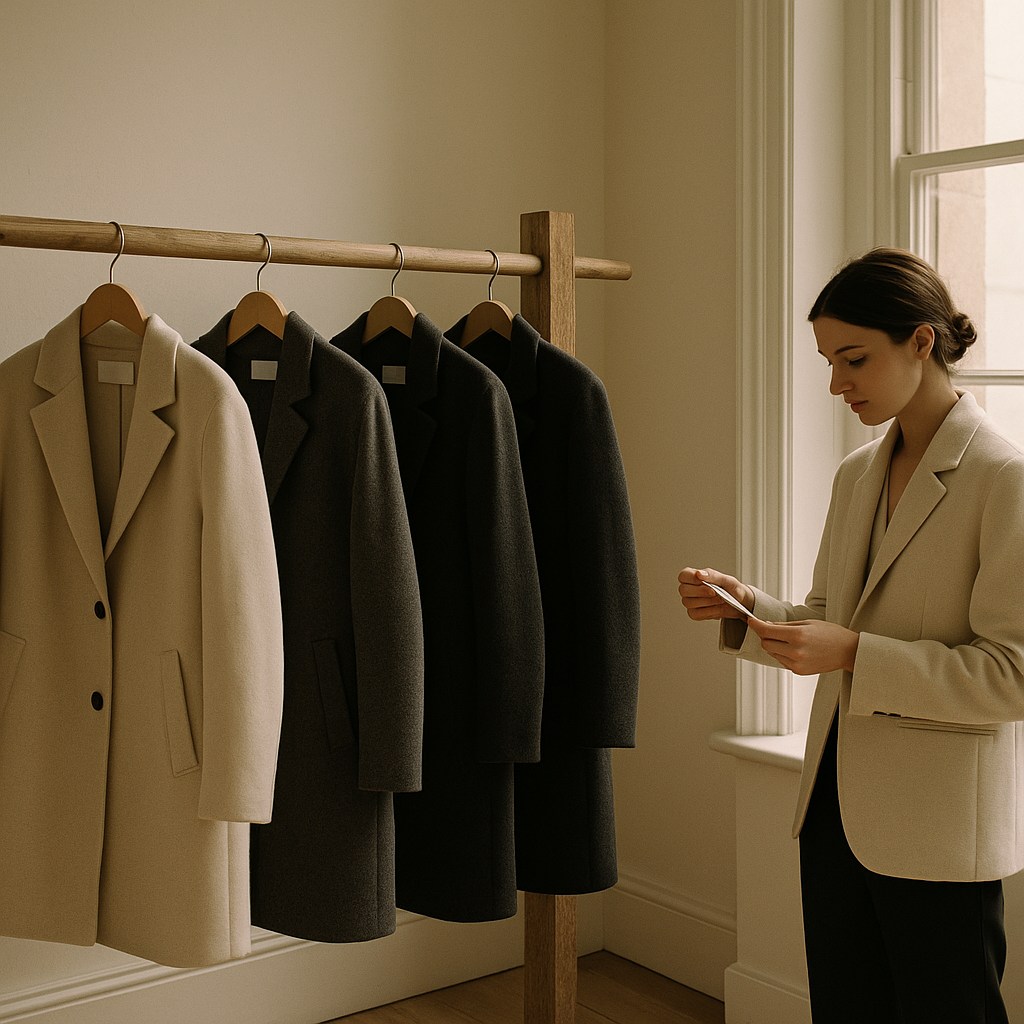
What Drove the Backlash Against Fast Fashion?
The fast fashion model was, for a long time, treated as an unqualified triumph of consumer capitalism. Brands like ASOS, Boohoo, and Shein grew at extraordinary speed by offering trend-led clothing at prices that made impulse buying almost frictionless. But the cracks have widened considerably. Boohoo’s well-documented labour controversies, investigations into unsafe conditions at UK supplier factories, and the sheer visibility of landfill waste have punctured the mythology of affordable style.
Social media, the very engine that powered fast fashion’s rise, has become its most effective critic. Documentaries, Instagram campaigns, and a new wave of fashion journalists committed to transparency have shifted what it means to look good. Younger British consumers, particularly those in their mid-twenties to late thirties, are increasingly hostile to brands that cannot account for their supply chains. Virtue is, it turns out, a powerful aesthetic.
The Rise of Considered, Ethical Purchasing
What distinguishes the current movement from previous waves of eco-consciousness is its sophistication. This is not about wearing hemp and looking apologetic about it. Sustainable luxury fashion operates on different terms entirely: exceptional craftsmanship, verifiable sourcing, transparent production, and designs built to last a decade rather than a fortnight.
British brands have been particularly adept at threading this needle. Stella McCartney remains the totemic name, a label that has refused animal products since its founding and now publishes rigorous environmental profit-and-loss accounts. But beneath the headline acts, a genuinely impressive second tier has emerged. Christopher Raeburn repurposes military-grade fabrics into civilian outerwear of real distinction. Mother of Pearl has repositioned itself as an aspirational ethical label without sacrificing an ounce of elegance. These are not compromise choices. They are genuine luxury propositions that happen to be built on conscientious foundations.
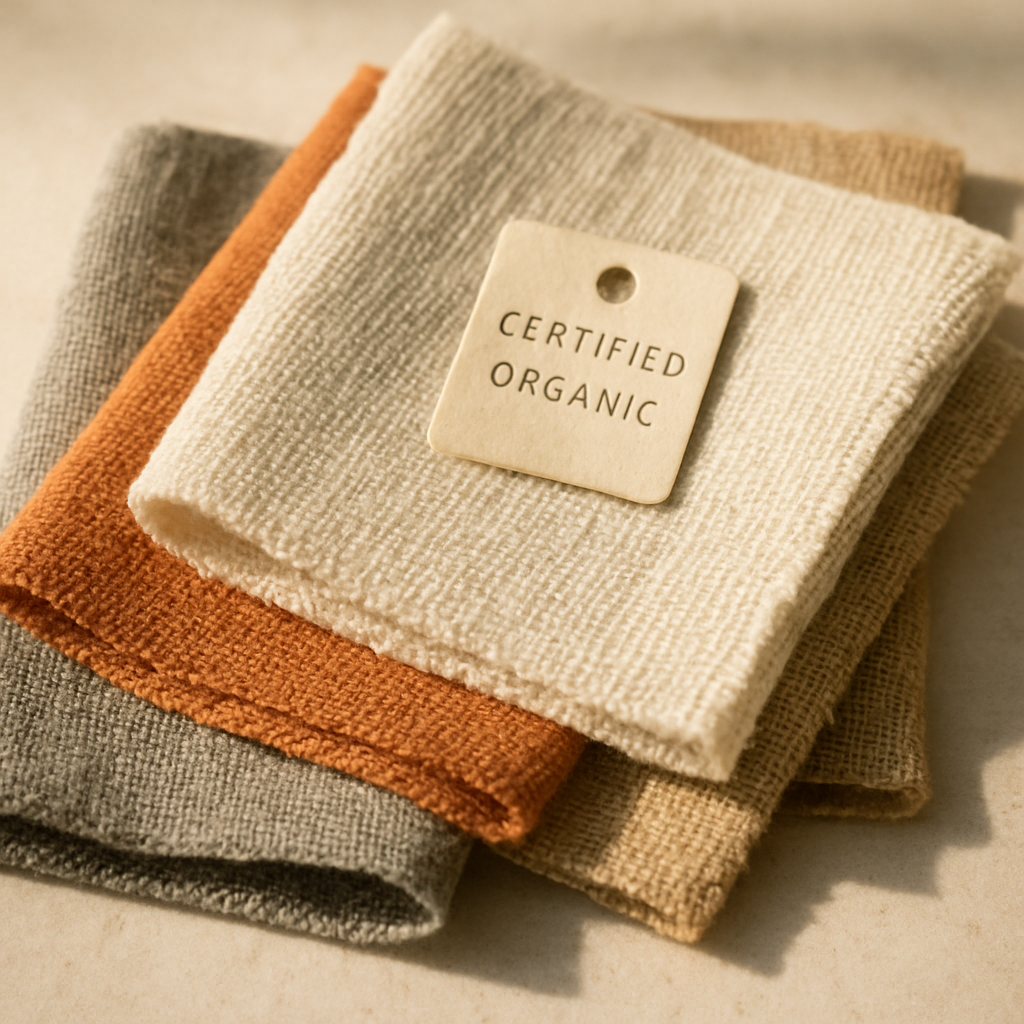
How Sustainable Luxury Fashion Is Redefining Value
The economics of sustainable luxury are genuinely interesting. A well-constructed coat from a responsible British maker might cost £600, against £60 from a fast fashion retailer. For most households, that is not a trivial comparison. But the calculus has shifted. Resale platforms like Vestiaire Collective and Depop have created liquid secondary markets for quality garments, meaning a considered purchase is increasingly understood as an asset with residual value rather than a sunk cost.
This has profound implications for how people shop. Consumers are buying less but buying better. The average number of times a garment is worn before disposal has become a genuine metric that shoppers discuss. Brands that can demonstrate provenance, whether through certified organic fibres, B Corp status, or full factory disclosure, find themselves with a powerful commercial advantage that no amount of paid advertising can replicate. Trust, earned slowly, has become the most valuable currency in fashion.
The interiors world has taken similar cues. Homeowners investing in quality, long-lasting products for their living spaces, from handmade textiles to bespoke fixtures, are drawing on the same philosophy: buy once, buy well. Even practical solutions such as lantern roof blinds are increasingly sought in premium, durable finishes rather than cheap disposable alternatives, reflecting a broader consumer mood that prizes longevity over convenience.
Which Brands Are Setting the Benchmark?
Internationally, Patagonia remains the gold standard, a brand that has famously run advertising campaigns urging customers not to buy its products unless they genuinely need them. That level of candour is rare, and commercially it has been remarkably effective. LVMH and Kering, the French conglomerates that between them control much of aspirational fashion, have both made significant public commitments to sustainability, though critics rightly note the distance between stated ambition and verified action.
In Britain, the Positive Luxury certification scheme has given consumers a credible framework for evaluating claims. Brands awarded the Butterfly Mark have met independently verified standards across environmental, social, and governance criteria. It is not a perfect system, but it is considerably better than the unverifiable greenwashing that plagued the sector a decade ago.
The rental model deserves mention too. Companies such as HURR and By Rotation have built genuine businesses around the idea of access over ownership. Hiring a designer dress for a wedding or a critical meeting rather than purchasing it aligns perfectly with the logic of sustainable luxury fashion, reducing waste without sacrificing the experience of wearing something truly beautiful.
What Comes Next for the British Fashion Industry?
The trajectory seems clear, if not entirely linear. Regulation will sharpen. Extended Producer Responsibility legislation, currently under development in Westminster, will make brands financially accountable for the end-of-life costs of their garments. France’s penalty on ultra-fast fashion imports points toward a regulatory direction that the UK may well follow. Supply chain transparency requirements, modelled on existing modern slavery legislation, are likely to become more granular and more enforceable.
Consumers will continue to drive change faster than regulation mandates it. The cultural capital attached to thoughtful purchasing has risen sharply, particularly among younger professionals who treat their wardrobes as an expression of values as much as aesthetics. The question for Britain’s fashion industry is not whether sustainable luxury fashion will define the next chapter, but how quickly those who have not yet adapted will find themselves left behind.
The collapse of fast fashion’s dominant narrative has not left a vacuum. It has made room for something more interesting: an industry where beauty and accountability are not in competition but in conversation. That, arguably, is where elegance has always lived.
Frequently Asked Questions
What exactly is sustainable luxury fashion?
Sustainable luxury fashion refers to high-quality clothing and accessories produced with transparent, ethical supply chains, responsible sourcing, and craftsmanship designed for longevity rather than disposability. It sits at the intersection of premium aesthetics and verified environmental and social accountability, distinguishing itself from both fast fashion and hollow greenwashing.
Is sustainable luxury fashion actually affordable for most British consumers?
At face value, sustainable luxury pieces carry higher upfront costs, but the value proposition changes when you factor in longevity and resale potential. A quality garment bought for £400 and worn for ten years, then resold through platforms like Vestiaire Collective, often represents better value per wear than multiple cheaper alternatives that degrade quickly.
How can I tell if a brand's sustainability claims are genuine?
Look for independently verified certifications rather than self-declared labels. In the UK, the Positive Luxury Butterfly Mark, B Corp certification, and membership of the Sustainable Apparel Coalition are credible indicators. Full supply chain transparency, published environmental audits, and named factory partners are also strong signals of genuine commitment.
Which British sustainable fashion brands are worth knowing in 2026?
Stella McCartney, Christopher Raeburn, and Mother of Pearl are among the most established names with genuine ethical credentials. Smaller independent labels such as Bora Aksu and Folk also merit attention for their considered approach to production and materials. Rental platforms like HURR and By Rotation offer another route into sustainable fashion without full ownership costs.
Will the UK government introduce new rules to tackle fast fashion waste?
Extended Producer Responsibility legislation is currently progressing through Westminster and will place financial responsibility on clothing brands for the disposal and recycling of their garments. The Environment Agency has also signalled stricter enforcement of existing textile waste regulations, suggesting the regulatory environment around fast fashion will tighten considerably over the next few years.
Leave a Reply