
Remote health monitoring has moved from novelty to necessity, quietly reshaping how patients, clinicians and health systems think about everyday care. Once confined to specialist clinics, connected devices and digital dashboards now sit in living rooms and on wrists, tracking everything from heart rhythms to sleep quality.
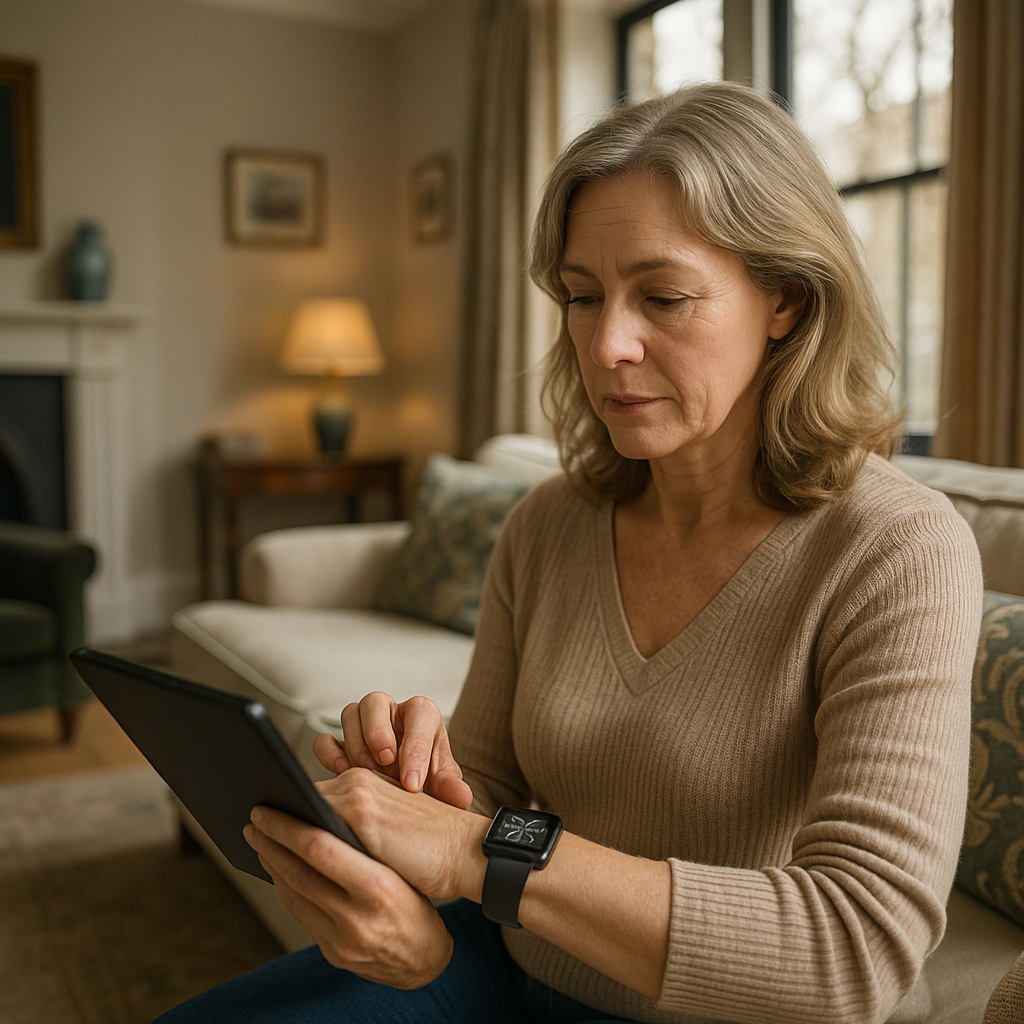
What is remote health monitoring in practice?
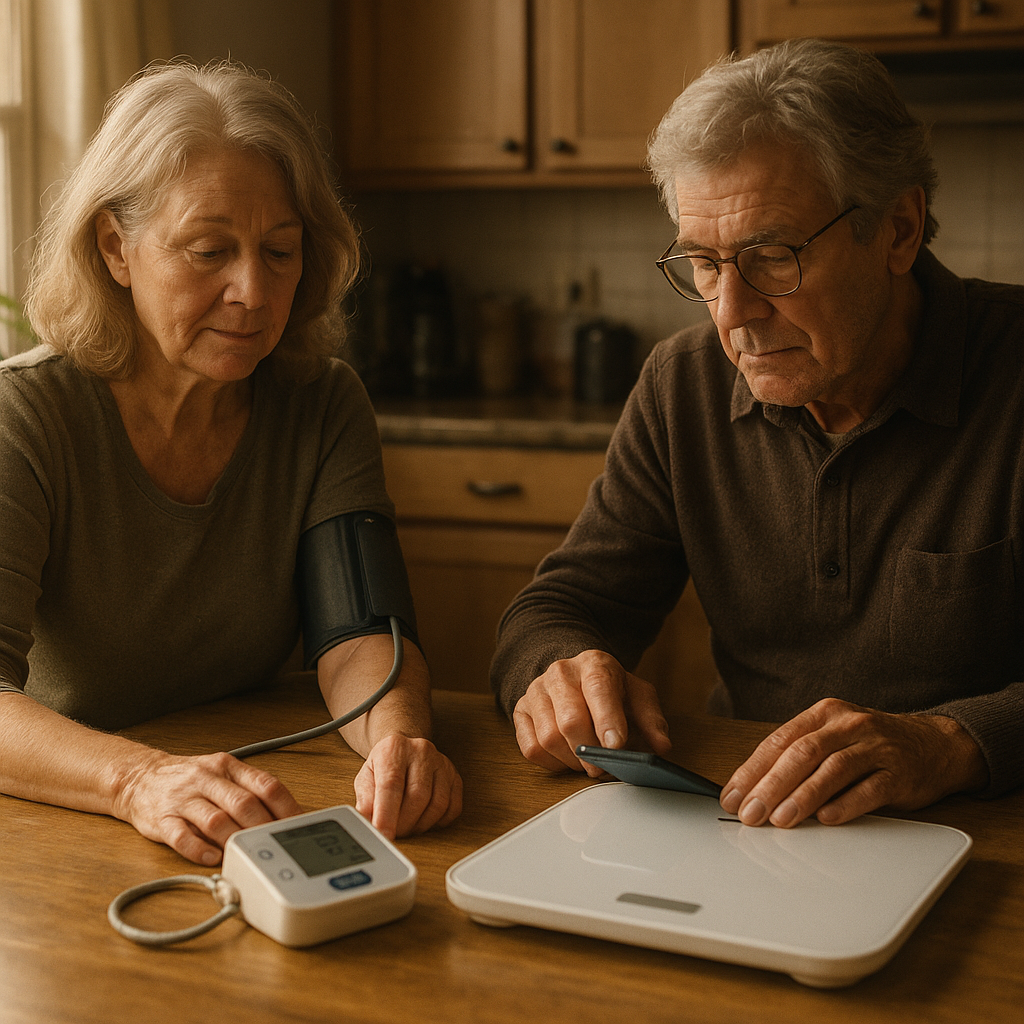
At its simplest, remote health monitoring uses connected devices to collect medical or wellbeing data outside traditional clinical settings, then shares that information securely with professionals or caregivers. Blood pressure cuffs, pulse oximeters, weight scales, glucose sensors and smart watches are all part of this new ecosystem.
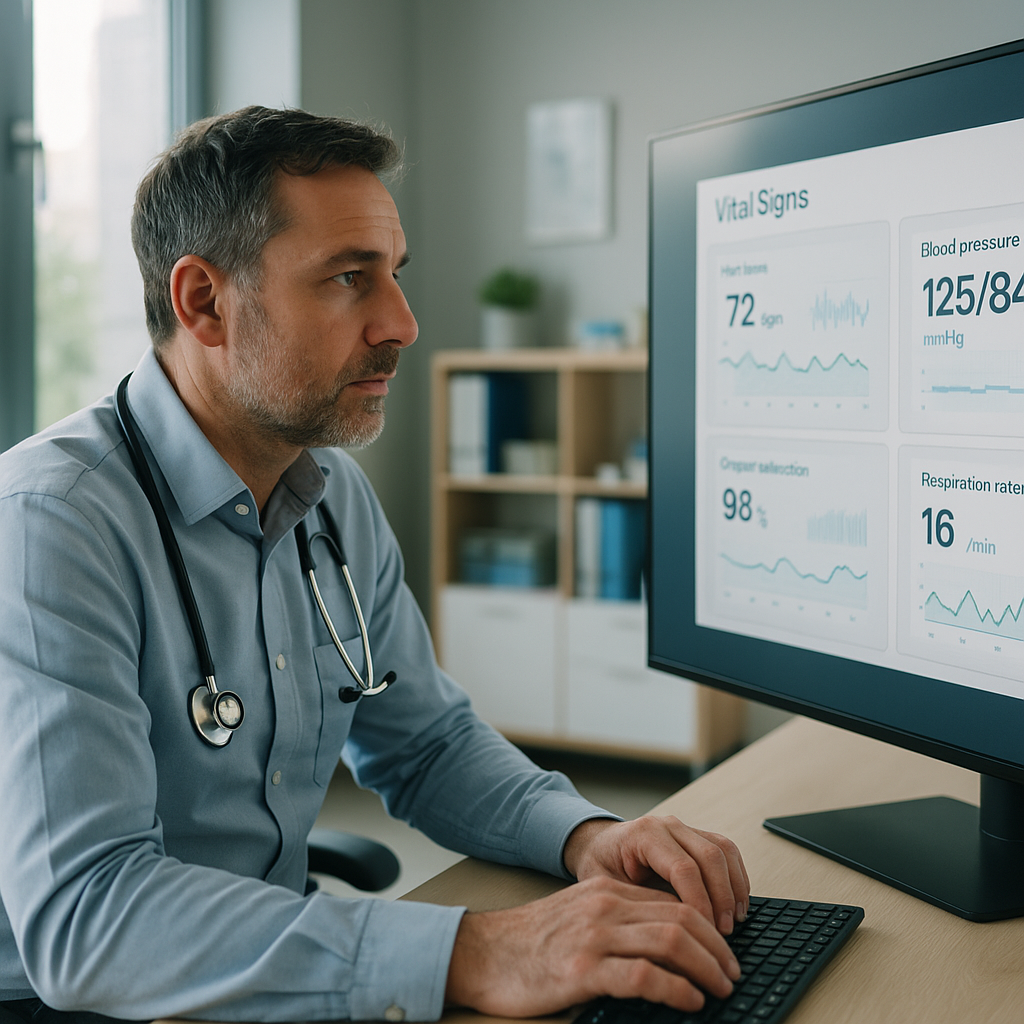
The critical shift is not the gadget itself, but the continuous stream of information it provides. Instead of a snapshot taken during a rushed appointment, clinicians can see trends over days and weeks. For patients, this can mean fewer unnecessary visits, earlier interventions and a clearer understanding of how lifestyle choices affect their health.
Why remote health monitoring is gaining momentum
Several forces are pushing remote health monitoring into the mainstream. Ageing populations, rising chronic disease and stretched health services demand new ways to deliver safe, efficient care. At the same time, consumers have become comfortable with digital banking, food delivery apps and video calls, and now expect similar convenience from health services.
Crucially, the technology has matured. Devices are more accurate, connections more reliable and interfaces more intuitive. Platforms such as HealthPod have emerged to help join the dots between patient-collected data and clinical decision making, turning raw numbers into meaningful insight.
Key benefits for patients and clinicians
The appeal of remote health monitoring lies in its ability to deliver tangible benefits on both sides of the consultation.
Earlier detection and intervention
Continuous data streams can reveal subtle changes long before a crisis. A gradual rise in resting heart rate, a creeping increase in overnight weight for heart failure patients, or fluctuating oxygen levels can all trigger timely check-ins rather than emergency admissions.
Greater convenience and autonomy
For patients managing long term conditions, frequent clinic visits are time-consuming and often stressful. Remote monitoring allows many routine checks to happen at home, with reviews conducted via phone or video where appropriate. People gain a sense of control, able to see their own data and understand the impact of medication, diet and activity.
More efficient use of clinical time
For clinicians, remote health monitoring can help focus attention where it is most needed. Instead of seeing every patient at fixed intervals, teams can prioritise those whose data suggests they are at risk of deterioration, while safely spacing out reviews for stable individuals.
Challenges and ethical questions
The rise of these solutions is not without its complications. Data security and privacy remain central concerns. Patients need clear reassurance about who can see their information, how long it is stored and how it will be used.
There is also the risk of widening inequalities. Not everyone has reliable internet access, a smartphone or the confidence to use digital tools. Designing services that work for older adults, people with disabilities and those in low connectivity areas is essential if remote monitoring is to enhance, rather than erode, fairness.
Clinicians, too, face new pressures. An influx of continuous data can be overwhelming if not well filtered and integrated into existing workflows. The goal must be to support professional judgement, not drown it in graphs and alerts.
What to consider before using these solutions
For individuals offered these solutions, a few practical questions are worth asking. How will the data be reviewed, and by whom? What happens if a reading is out of range – will someone contact you, or are you expected to act? How easy is it to report symptoms that a device cannot capture, such as pain or anxiety?
It is also sensible to consider your own habits and preferences. Some people relish daily tracking and detailed feedback. Others may find constant measurement intrusive or anxiety-inducing. The best solutions are those that can be tailored, allowing people to choose how closely they are monitored and how often they engage.
Remote health monitoring FAQs
Is remote health monitoring safe for my data?
Remote health monitoring can be run safely when providers use strong encryption, clear consent processes and strict access controls. Before signing up, ask who will see your data, how it is stored, and what happens if there is a technical failure. Reputable services should be able to explain their safeguards in plain language and provide written information about privacy and security.
Does remote health monitoring replace face to face appointments?
Remote health monitoring is designed to complement, not replace, traditional care. Routine checks and follow ups may move online or be handled by connected devices, but in person appointments are still essential for physical examinations, complex discussions and when new symptoms appear. The aim is to reserve face to face time for moments when it adds the most value.
Who is most likely to benefit from remote health monitoring?
People with long term conditions such as heart failure, diabetes or chronic lung disease often benefit from remote health monitoring, as it allows closer tracking of changes that might signal a problem. Those living far from clinics, or with mobility challenges, may also find it particularly helpful. However, it is not suitable for everyone, and decisions should be made jointly with a clinician who understands your specific circumstances.
Leave a Reply