

The most common mistake about children quitting sport is to treat it as a matter of motivation. Teenagers, the thinking goes, simply lose interest, glued to their phones. That is only part of the picture, and it matters because it lets everyone off the hook. The grassroots sport cost UK families carry, from subscriptions to boots to petrol for away fixtures, is a barrier that falls unevenly, and a problem blamed on attitude will never be fixed with policy.
What follows takes five common beliefs one at a time.
Myth one: youth sport is cheap
Compared with private tuition or music lessons, a junior club subscription can look modest. The subscription is rarely the whole bill, though. Add a kit that must be replaced as children grow, boots, shin pads or a bat, match fees, tournament entry, and the cost of getting to fixtures, and a family with two children playing different sports can face a sizeable monthly outlay. Sport England’s Active Lives Children and Young People survey, published annually, consistently finds that children from less affluent families are less likely to meet the recommended 60 minutes of activity a day than those from better-off homes.
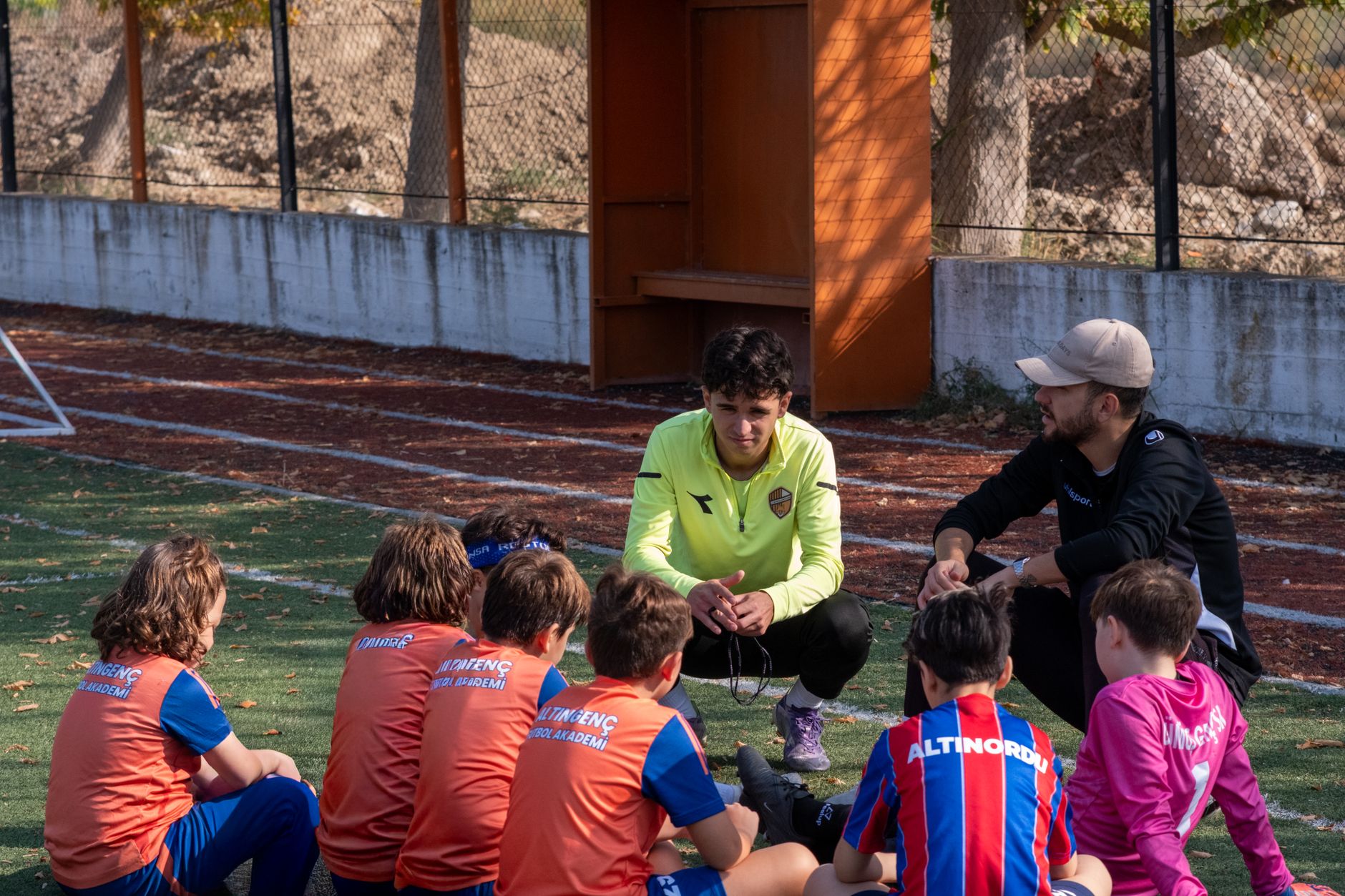
Myth two: clubs can simply waive fees for those who struggle
Some do, quietly, and good for them. But most amateur clubs are volunteer-run charities or community organisations with their own rising bills: pitch hire, insurance, utilities and affiliation fees. Many councils have raised pitch and facility charges in recent years as budgets have tightened. A club that discounts too many places risks folding, so the cost is often passed on rather than absorbed. Waivers also require a family to ask, and asking is itself a hurdle many will not clear.
Myth three: free school sport fills the gap
School provision matters, but it is patchy. Sport in schools depends on staffing, facilities and timetable pressure, and the pathway into a local club, where a child can play for years, usually runs outside the school gate. If a child enjoys a lunchtime session but cannot afford the Saturday team, the habit does not carry over. The step from taster to regular membership is where cost bites hardest.
Why does the cost of grassroots sport matter for public health?
Children who stop playing sport tend to be less active as adults, and the NHS recommends an average of at least 60 minutes of moderate to vigorous activity a day for those aged 5 to 18. Inactivity feeds into childhood obesity, which the NHS tracks through the National Child Measurement Programme, where children in the most deprived areas have long shown higher rates than those in the least deprived. If cost pushes the children with the greatest health risk away from organised activity, the burden later lands on an already stretched health service. It is a quiet pressure on a system we have discussed in our look at the NHS productivity puzzle.
Myth four: it is only about physical health
Team sport gives children routine, friendships and adult mentors outside the family, which are the same things many mental health services struggle to provide quickly. It is no replacement for treatment, and I would not claim it is. But losing a free-to-reach source of belonging adds weight to a system under strain, as covered in our piece on children’s mental health provision in England.
Social mobility is also at stake. Clubs are where children from different postcodes meet, and where coaches, parents and committee members become informal networks. A club that loses its poorer members becomes more homogeneous, and its networks more closed. Community cohesion suffers in the same way: a pitch filled with children from one income band tells its own story about who the neighbourhood is for.
Myth five: nothing can be done
Several things plainly help. Free or capped-fee junior memberships, second-hand kit swaps, shared transport rotas, and councils protecting pitch-hire rates for youth teams all lower the barrier without large sums. Clubs can also offer a single flat annual fee rather than a string of add-ons, which makes costs predictable for households watching every pound. National governing bodies and Sport England fund inclusion schemes, and clubs should be asking what is available rather than assuming it is not for them.
The coming decade will depend on whether this is treated as an issue of family budgets or one of local infrastructure. Without action, the likely pattern is a gradual sorting: affluent children stay in organised sport, others drift to informal, unsupervised or screen-based activity, and the gap in health and opportunity widens. It is not dramatic, which is exactly why it is easy to miss.
If you run or support a club, a sensible first step is to total what a child actually costs to play for a season, then see which items could be pooled, swapped or dropped.



Leave a Reply