

Say you are 52, you spent twenty-five years in a steelworks, and the redundancy money has gone on the mortgage and a new boiler. The jobs board now lists wind turbine technician roles, but the nearest is a ninety-minute drive away and asks for qualifications you do not hold. That is the typical case behind the UK industrial transition green jobs communities debate, and it explains why warm words about a green economy land coolly in places such as Port Talbot, Rotherham and the former Valleys coalfield.
The short answer to whether GB Energy and the industrial strategy will reach these places is: possibly, but only if money is steered there deliberately. Nothing about green industry guarantees it settles where the old industry stood.
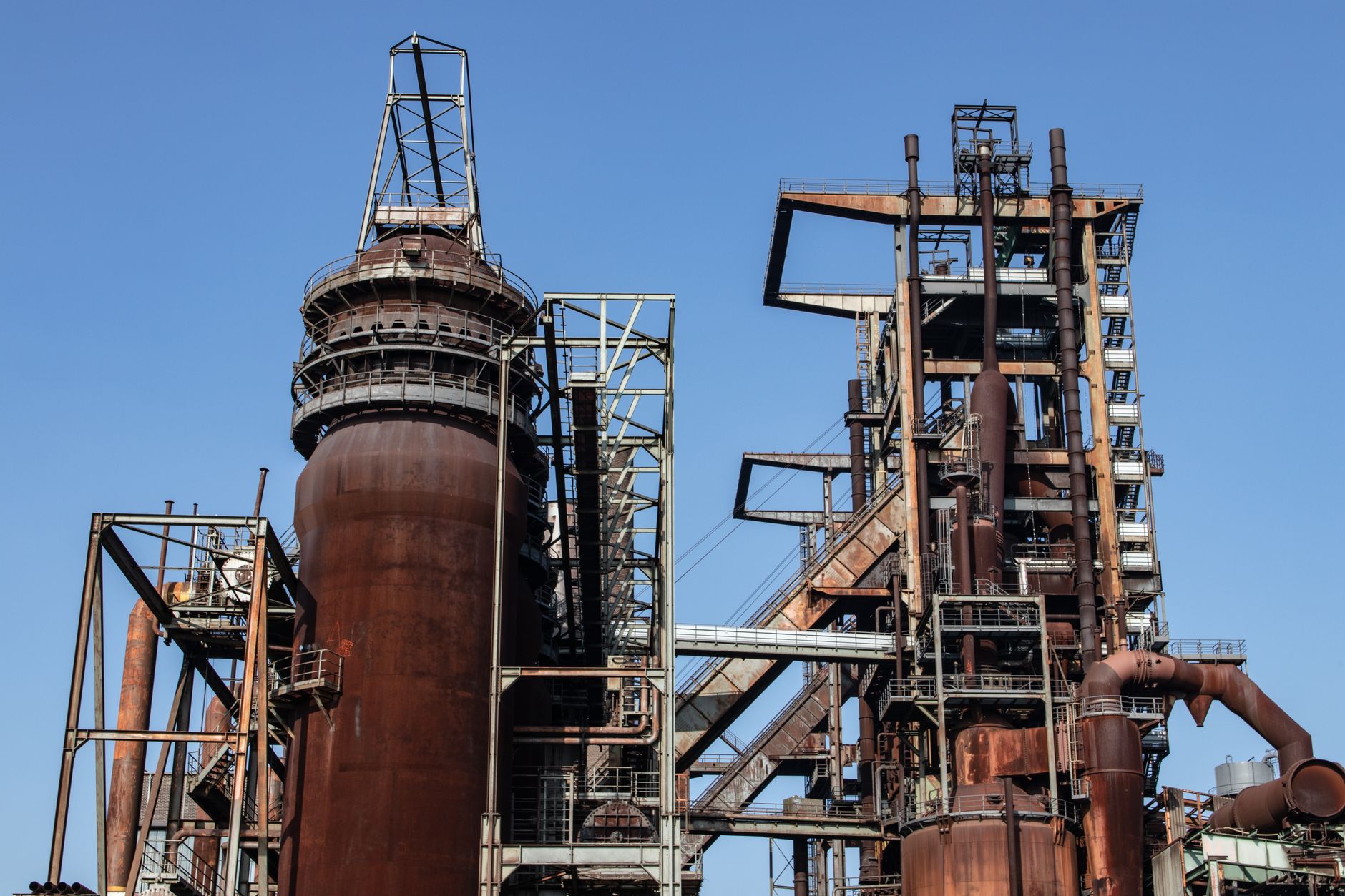
What was actually promised when heavy industry closed?
The promise, repeated by governments of every colour, was that new industries would replace the old and that workers would move across. It was rarely a funded plan. After the coal pit closures of the 1980s and 1990s, regeneration funds and inward investment brought call centres, warehouses and public sector offices, many of them lower paid and less secure than the work they replaced. Research by Sheffield Hallam University’s Centre for Regional Economic and Social Research has documented the lasting economic gap in former coalfield areas, including higher rates of health-related economic inactivity.
The steel story is more recent. The end of blast furnace steelmaking at Port Talbot, with the shift towards electric arc furnace production, has reduced the number of jobs the site needs, even with transition support from government and Tata Steel. Electric arc plants simply employ fewer people.
What is GB Energy meant to do for these communities?
GB Energy is the publicly owned clean power company set up by the Labour government to invest in renewable generation and take stakes in projects, with the stated aim of lowering bills, improving energy security and creating jobs. Its headquarters are in Aberdeen, which tells you where the early emphasis lies: offshore wind, supply chains and the existing energy workforce of north-east Scotland.
That matters for South Wales and South Yorkshire. Floating offshore wind in the Celtic Sea is the most credible Welsh opportunity, with ports such as Port Talbot and Milford Haven positioned to host assembly and servicing. South Yorkshire’s case rests on advanced manufacturing, hydrogen and carbon capture ambitions across the wider Humber and Yorkshire region. Neither is a given. Port upgrades take years, and turbine components are currently made largely abroad.
Will the industrial strategy put jobs in the right places?
The government’s industrial strategy names clean energy industries among its priority sectors and promises to support them through regional clusters. The test is whether it directs investment to places with high unemployment and inactivity, or to the places that already have strong universities, ports and skilled labour. Those are often different towns.
Economists have long warned that clusters tend to favour areas that are already thriving. A former mining village twenty miles from a growth hub may see the hub’s wages but not its jobs unless transport and training links are built. For the strategy to work, three things need to line up:
- Investment sited within realistic commuting distance of the closure towns.
- Training that leads to a named employer, not a generic certificate.
- Pay and conditions comparable to the unionised industrial work that went before.
Why do green jobs so often miss the people who lost industrial work?
Green jobs often miss displaced industrial workers because of timing, geography and skills mismatch. Many of the new roles are in construction phases that last a few years, in engineering design that demands degrees, or in sites chosen for coastlines and grid connections rather than old pit villages.
There is also the matter of age and health. Former coalfield areas still show higher levels of long-term sickness than the national average, according to the Office for National Statistics’ labour market data on economic inactivity. A retraining offer that assumes a fit 30-year-old with a driving licence will not reach many of those who most need it.
What would a fair transition look like?
A fair transition would pay for the wait. That means income support during retraining, not just a course place, and guaranteed interviews with employers who have signed up to local hiring. Denmark and Germany’s Ruhr region are often cited as examples of managed change, though the Ruhr took decades and large public spending.
It would also mean measuring results by place. Announcing billions in pledges tells a town little. Publishing how many local residents hold the jobs created, and at what wage, tells it everything.
What should communities and readers watch next?
Watch for three signals: whether GB Energy’s investments name Welsh and Yorkshire sites with dates, whether port and grid funding is committed rather than merely announced, and whether local hiring targets appear in contracts. The government’s Great British Energy pages on GOV.UK are the place to check current announcements. Pledges that name a site, a date and a headcount are worth taking seriously. Those without all three are still aspirations.
Frequently Asked Questions
What is GB Energy?
GB Energy, or Great British Energy, is a publicly owned clean energy company established by the UK government. It invests in renewable projects such as wind and solar, and is intended to cut bills, improve energy security and support jobs. Its headquarters are in Aberdeen.
Why did Port Talbot lose blast furnace steelmaking?
Tata Steel moved to replace its ageing blast furnaces with an electric arc furnace to cut carbon emissions and losses. Electric arc steelmaking needs far fewer workers, which is why the change cost many jobs despite a government support package.
Are green jobs well paid?
It depends on the role. Skilled engineering, offshore wind technician and grid jobs can pay well, while some installation and construction work is shorter term and less secure. Pay rarely matches old unionised industrial roles automatically.
What is a just transition?
A just transition is the idea that moving to a low-carbon economy should not leave workers and communities worse off. In practice it means retraining, income support and new employers in the places where old industries close.
Where can I find retraining support in the UK?
Start with the National Careers Service and your local jobcentre, which can point to funded courses. Regional combined authorities and Welsh Government schemes also run training, so check your local council or authority website for current offers.


Leave a Reply